What Autopilot Really Does on Your Flight
Autopilot does not mean pilots sit back. Learn what it really controls, how autoland works and why humans always stay in command.
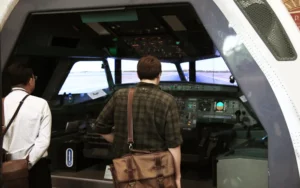
Autopilot does not mean pilots sit back. Learn what it really controls, how autoland works and why humans always stay in command.
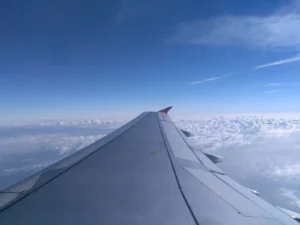
Why do airliners cruise around 35,000 feet? Thin air, less drag, calmer skies and safety limits all play a part. Here is how it works.
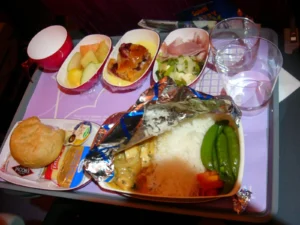
Dry air, lower cabin pressure and engine noise all change how flavour reaches you. Here is why airplane food tastes different and how to enjoy it more.

Jet lag is your body clock falling out of step with the world outside the window. Here is why flying east hurts more, and simple ways to recover faster.
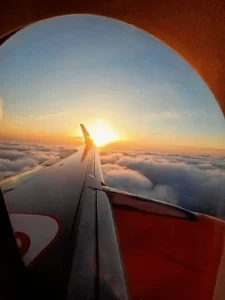
That blocked, crackly feeling in your ears on a plane is normal. Here is why it happens and the simple tricks that help.

Ever wondered about the white lines planes draw across the sky? Here is how contrails form, why some vanish fast, and what they hint about the weather.

That pinprick near the bottom of your window seat view is no flaw. Here is what the tiny hole in airplane windows does for pressure, safety and a clear view.
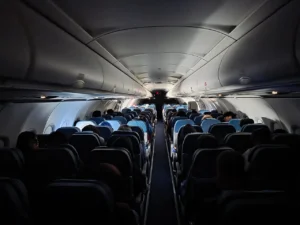
Ever noticed the cabin lights dimming before takeoff and landing? Here is the passenger-friendly reason, from how your eyes adapt to why window shades go up.

Bumpy air can feel alarming, but it is a normal part of flying. Learn what causes turbulence, how aircraft handle it and the simple habit that keeps you safe.
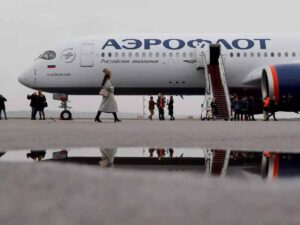
Few airlines anywhere in the world have had to reinvent themselves the way Aeroflot has over the past several years. Once a global carrier with a presence stretching from London…