Few airlines anywhere in the world have had to reinvent themselves the way Aeroflot has over the past several years. Once a global carrier with a presence stretching from London to Los Angeles, Russia’s flag carrier now operates in a dramatically narrower world, shaped by sanctions, closed airspace, and an urgent scramble to keep an aging fleet airworthy. Yet despite all of this, Aeroflot has not collapsed. It has adapted, leaning on domestic demand, “friendly market” partnerships, and a state-backed push toward homegrown aircraft manufacturing. Understanding where Aeroflot stands today means looking past headlines about crisis and instead examining the operational, financial, and strategic realities the airline is managing in real time.
A Network Reshaped by Necessity
Aeroflot’s route map today looks nothing like it did before 2022. European and North American airspace remains closed to Russian carriers, and the airline’s international footprint has narrowed to a defined list of accessible destinations. The current network leans heavily on Turkey, the UAE, China, India, Thailand, the Maldives, and countries within the Commonwealth of Independent States, alongside longer-haul outliers such as Venezuela, Bali, and Cuba, which remain reachable precisely because they sit outside Western sanctions frameworks.
Domestically, Aeroflot has doubled down. Roughly three-quarters of total passenger traffic now comes from routes within Russia, a sharp shift from the airline’s pre-sanctions business model, which relied heavily on international connections through Moscow. The 2026 summer schedule reportedly spans several hundred unique routes across the wider Aeroflot Group, with a deliberate strategy of bypassing Moscow on a majority of them to better serve regional demand and reduce congestion at the capital’s hubs.
Fleet Under Pressure
The single biggest challenge facing Aeroflot is aircraft availability. When Boeing and Airbus withdrew technical support, parts supply, and maintenance services following the invasion of Ukraine, Aeroflot was left operating a fleet of Western-built jets with no legitimate access to manufacturer-approved servicing. The airline’s response has been resourceful, if unsustainable in the long run: cannibalizing parked aircraft for spare parts, sourcing components through third-country supply chains, and stretching maintenance intervals wherever regulators allow.
This has come at a real financial cost. Maintenance expenses have climbed sharply, and safety regulators inside Russia have flagged a significant share of the operational fleet for violations ranging from falsified maintenance logs to unauthorized modifications. Most of these issues cluster in older regional aircraft rather than Aeroflot’s core long-haul fleet, but the pattern illustrates the strain across the industry as a whole. Aeroflot has managed to keep its mainline widebody and narrowbody jets flying, but the margin for error keeps shrinking as aircraft accumulate flight hours without proper replacement.
Betting on Domestic Manufacturing
Russia’s long-term answer to sanctions is to build its own commercial aircraft at scale, and Aeroflot sits at the center of that bet. The airline holds a large outstanding order for Yakovlev’s MC-21 narrowbody, alongside orders for Sukhoi Superjet regional jets and Tupolev Tu-214s. On paper, this fleet renewal plan is ambitious: hundreds of Russian-built aircraft entering service by the end of the decade, eventually anchoring the mainline fleet with material domestic content.
In practice, delivery timelines have repeatedly slipped. Certification delays, supply chain gaps for components once sourced internationally, and production bottlenecks have all pushed back the pace of deliveries. Only a small fraction of planned deliveries materialized in recent years, and while 2026 has been described internally as a pivot point from stopgap maintenance toward genuine domestic manufacturing, the scale needed to fully replace Aeroflot’s Western jets remains years away. Analysts studying the airline’s fleet strategy note that even under optimistic projections, Russian-built aircraft won’t dominate Aeroflot’s mainline operations until well into the 2030s.
What’s Driving the Fleet Renewal Push
- Continued unavailability of Boeing and Airbus parts and technical support
- Rising maintenance costs on an aging Western-built fleet
- State pressure to reduce reliance on foreign aircraft manufacturers
- Long-term ambition to operate several hundred aircraft with strong Russian content by 2030
Financial Resilience Amid Cost Pressure
Despite the operational headwinds, Aeroflot’s financial and traffic performance has held up better than many expected. Load factors on both domestic and international segments have improved year over year, reflecting strong demand management even with a smaller route network. The airline closed the most recent full calendar year carrying tens of millions of passengers, maintaining a dominant share of Russia’s domestic aviation market.
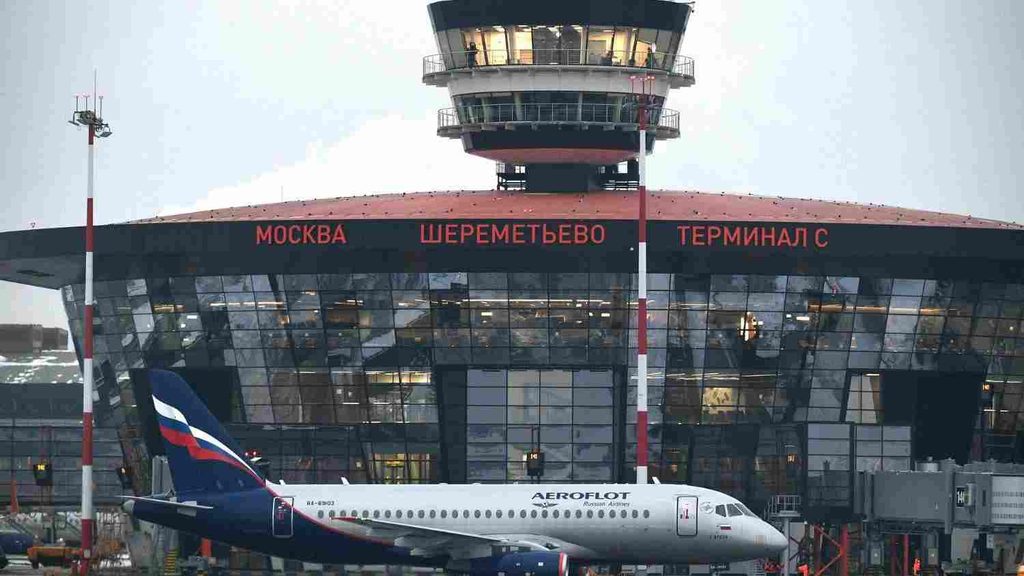
That said, the picture isn’t uniformly positive. Total Russian passenger traffic across the industry has actually declined slightly, a reminder that Aeroflot’s relative strength partly reflects the collapse of smaller competitors rather than pure organic growth. Dozens of smaller Russian carriers have struggled financially, with several facing possible bankruptcy, while Aeroflot has benefited from billions of dollars in state support that smaller airlines simply don’t have access to. This concentration of resources has effectively made Aeroflot the backbone of Russian commercial aviation by default, not just by design.
The Passenger Experience Today
For travelers who can still access Aeroflot flights, the onboard product remains recognizable but noticeably scaled back from its pre-sanctions offering. Economy class is standard across the fleet, with a Comfort premium economy tier available on widebody aircraft such as the A330, A350, and 777. Business class continues on select routes, but First Class, once a hallmark of Aeroflot’s long-haul flagship service, has effectively disappeared as the airline has simplified its cabin offerings to match a smaller and more constrained fleet.
Booking Aeroflot flights from outside Russia has also become considerably harder. The airline is largely absent from major Western travel booking platforms, and international credit cards issued by Western banks generally do not work for payments within Russia. This means that even the routes Aeroflot still operates internationally can be genuinely difficult for foreign travelers to access, adding another layer of complexity beyond the airline’s reduced network.
A 2025 cyberattack underscored just how fragile these operations can be. The incident disrupted Aeroflot’s systems and grounded flights for several days, serving as a stark reminder that reliability risks now extend well beyond weather delays or crew shortages into the realm of digital security threats targeting critical infrastructure.
Quick Snapshot of Aeroflot’s Current Position
| Category | Current Status |
|---|---|
| Mainline Fleet Size | Roughly 170 aircraft |
| Group-Wide Fleet | Around 350 aircraft |
| Domestic Traffic Share | Approximately 75–76% |
| Key International Markets | Turkey, UAE, China, India, Thailand, Maldives |
| Fleet Renewal Order | MC-21, Superjet, Tu-214 aircraft |
| Cabin Classes Offered | Economy, Comfort, Business |
Competitive Pressure at Home
Interestingly, Aeroflot’s dominant position within Russia is no longer unchallenged. Foreign carriers from friendly nations, particularly Chinese airlines, have expanded their presence in the Russian market, competing for both business and leisure traffic on routes that Aeroflot itself would like to grow. Aeroflot’s own leadership has publicly acknowledged this rising competitive pressure, a notable admission given how much the airline has relied on being the default choice for Russian travelers over the past several years.
This shifting competitive landscape adds another variable to Aeroflot’s recovery story. It’s no longer simply a matter of managing sanctions and fleet constraints; the airline also has to defend market share against carriers that don’t face the same restrictions on aircraft sourcing, maintenance, or international route access. That dynamic could shape pricing, service quality, and route planning decisions in the years ahead.
What Comes Next
Aeroflot’s trajectory over the next several years will likely be defined by how quickly domestic aircraft manufacturing can scale, whether sanctions pressure eases or intensifies, and how effectively the airline can maintain safety and reliability standards on an aging Western fleet with no clear replacement timeline in the near term. The gap between ambition and delivery on Russian-built aircraft remains significant, and that gap is the single biggest variable determining Aeroflot’s long-term operational health.
For now, Aeroflot continues functioning as the backbone of Russian commercial aviation, propped up by state support, a captive domestic market, and a workforce and maintenance team that has become remarkably adept at keeping older aircraft flying under difficult conditions. Whether this approach remains sustainable, or whether mounting maintenance costs and safety concerns eventually force harder choices, is the open question hanging over the airline’s future.
Conclusion
Aeroflot’s story since 2022 is one of forced reinvention rather than steady decline. The airline has absorbed sanctions, lost access to established supply chains, and shrunk its international footprint dramatically, yet it remains the dominant force in Russian aviation through sheer scale, state backing, and operational resourcefulness. The path forward depends heavily on domestic aircraft manufacturing finally catching up to demand, something that has consistently lagged behind projections. Until that happens, Aeroflot will keep operating in a delicate balance: stretching an aging Western fleet as far as it can go while betting on a Russian-built future that is still, by most honest assessments, several years away from fully arriving.