
Understanding the Airport Boarding Process
Every traveler benefits from a clear airport boarding guide before stepping into a terminal. Boarding is not a single event but a sequence of stages that begins the moment you enter the airport and ends when you settle into your seat. Knowing what happens at each stage removes uncertainty and helps you plan your time better. Many passengers assume boarding starts only at the gate, but in reality it starts much earlier with document checks, baggage handling, and security screening. A well-informed traveler moves through these stages calmly instead of rushing. This guide breaks down each part of the journey so you understand exactly what to expect, what documents you need, and how to avoid last-minute stress. Whether you are a first-time flyer or a frequent traveler, understanding the full process makes air travel far more predictable and comfortable from start to finish.
Arriving at the Airport on Time
Timing is one of the most important parts of any airport boarding guide. Airlines usually recommend arriving two hours before domestic flights and three hours before international ones. This window allows enough time for parking, check-in, security, and walking to the gate without panic. Airports can be unpredictable, with long queues during peak hours, holidays, or weekends. Arriving late increases the risk of missing check-in deadlines, which most airlines close strictly before departure. Early arrival also gives you a buffer for unexpected issues like document verification, printer problems, or crowded security lanes. Beyond avoiding stress, early arrival lets you handle tasks such as currency exchange, seat selection, or grabbing a meal before the flight. Treat the recommended arrival time as a minimum rather than a maximum, especially during busy travel seasons when terminals become significantly more congested than usual.
Checking In and Baggage Drop
Check-in is the formal start of the boarding sequence and a key step in any airport boarding guide . Passengers can check in online, through a kiosk, or at a staffed counter, depending on the airline and airport facilities. Online check-in often opens twenty-four to forty-eight hours before departure and allows you to select seats and print or save boarding passes in advance. If you are carrying checked luggage, you will still need to visit a bag-drop counter to attach tags and confirm weight limits. Carry-on bags should meet size and weight restrictions to avoid delays at the gate. Having your identification, ticket, and any required travel documents ready speeds up this stage considerably. Skipping unnecessary steps by checking in online whenever possible saves valuable time and reduces the chances of standing in long queues right before your flight.
Navigating Security Screening
Security screening is often the most time-consuming part of the process, making it a central focus of any airport boarding guide. Passengers must remove laptops, liquids, and metal items before passing through scanners, following the specific rules of each airport. Wearing simple clothing and shoes that are easy to remove can speed things up considerably. Liquids are usually restricted to small containers placed in a clear bag, so packing smartly avoids confiscation or delays. Security lines vary in length depending on the time of day, so checking estimated wait times beforehand can help with planning. Once through screening, passengers proceed toward the departure area where gate information is displayed. Staying organized, keeping documents accessible, and following instructions from security staff ensures this stage moves as quickly and smoothly as possible for everyone in the queue.
Finding Your Gate
After clearing security, locating the correct gate becomes the next priority in the airport boarding guide sequence. Departure screens throughout the terminal display real-time gate numbers, which can occasionally change due to operational reasons. It is wise to double-check your gate number periodically rather than relying on the information printed on your boarding pass alone. Large airports may require significant walking time or the use of internal trains between terminals, so factor this into your schedule. Arriving at the gate well before the scheduled boarding time allows you to rest, use facilities, or grab refreshments nearby. Announcements are typically made when boarding begins, but they are not always audible in crowded areas, so keeping an eye on the screen near your gate is a reliable habit. This simple step prevents missed calls and unnecessary last-minute rushing.
Boarding Groups and Zones Explained
Most airlines organize passengers into groups or zones, a detail every airport boarding guide should explain clearly. These groups are typically based on ticket class, frequent flyer status, seating location, or special assistance needs. Passengers with priority status, families with young children, or those requiring extra help usually board first. Economy passengers are often called in numbered groups, starting from the back of the aircraft to speed up the seating process. Your boarding pass usually indicates your group number or zone, so checking it in advance prevents confusion at the gate. Standing near the boarding line before your group is called is common, but joining prematurely can create unnecessary crowding. Understanding this system helps you anticipate your turn and avoid standing for long periods before it is actually your time to board the aircraft.
What to Expect During Boarding
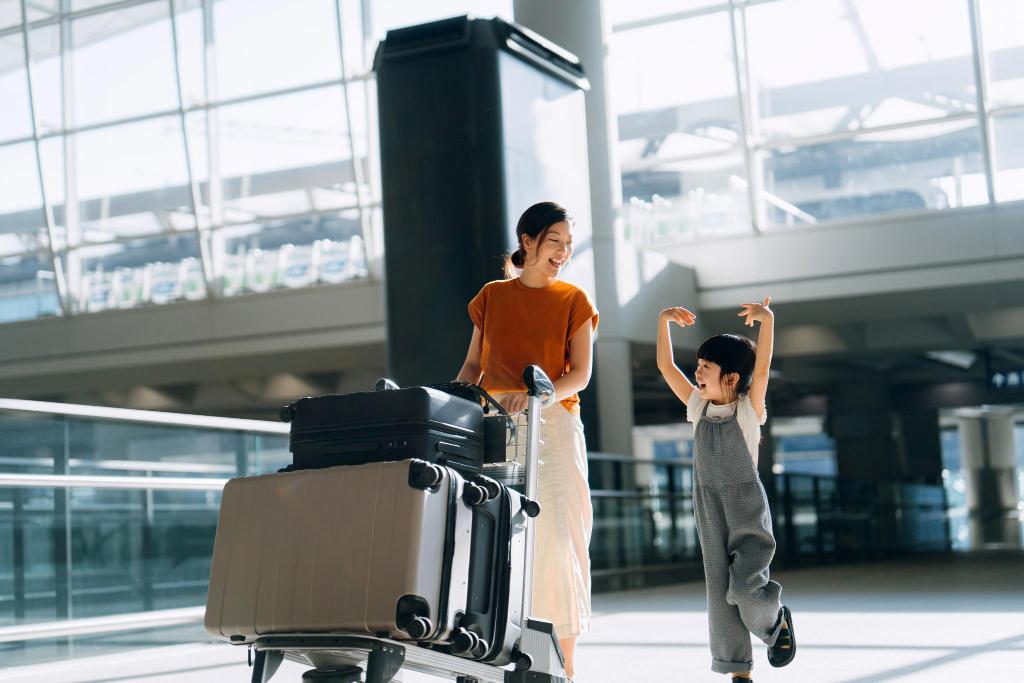
Once your group is called, the actual boarding sequence begins, and this is where the practical value of an airport boarding guide becomes clear. Passengers form a line near the gate and present their boarding pass and identification for scanning. After passing through the gate, a walkway or set of stairs leads to the aircraft entrance, where cabin crew greet passengers and direct them toward their seats. Overhead bins fill quickly, so placing your carry-on efficiently and promptly helps the process move faster for everyone behind you. Settling into your seat, storing personal items, and fastening your seatbelt are the final steps before the cabin crew begins safety briefings. Boarding usually takes between twenty and forty minutes depending on aircraft size, so remaining patient and following crew instructions ensures the process stays orderly for all passengers.
Tips for a Smooth Airport Boarding Experience
A few practical habits can transform your experience, which is why tips form an essential part of any airport boarding guide. Keep your boarding pass and identification easily accessible rather than buried in a bag. Pack carry-on items strategically, placing frequently needed items like chargers or documents near the top. Wearing comfortable clothing and slip-on shoes simplifies both security and boarding. Downloading your airline’s app allows you to receive real-time updates about gate changes or delays instantly. Avoid overpacking carry-on luggage beyond allowed limits, as this can cause last-minute repacking at the gate. Arriving at the gate early but boarding at your assigned time, rather than rushing to the front unnecessarily, keeps the process calm. Small preparations like these consistently make the boarding experience faster and far less stressful for everyone involved.
Common Boarding Mistakes to Avoid
Even experienced travelers make errors, so addressing them is a valuable part of any airport boarding guide. One frequent mistake is misreading the boarding pass and confusing the gate number with the flight number, leading to confusion at the terminal. Another common issue is ignoring group numbers and crowding the gate area before boarding actually starts. Overpacked carry-on bags that exceed size limits often cause delays and forced check-ins right at the gate. Some passengers underestimate walking distances in large airports, arriving late despite leaving home early. Failing to charge phones or print backup documents can also cause unnecessary panic if digital boarding passes fail to load. Being aware of these common pitfalls allows travelers to prepare better and move through the entire process with far greater confidence and efficiency.
Special Boarding Situations
Certain situations require extra attention, which is why special cases deserve space in any airport boarding guide. Families traveling with infants or young children are usually invited to board earlier to settle in without pressure. Passengers requiring wheelchair assistance or other accommodations should inform staff in advance so arrangements can be made smoothly. Connecting flights with tight layovers require extra awareness of gate locations and walking times between terminals. Travelers carrying musical instruments, sports equipment, or oversized items should confirm airline policies beforehand to avoid last-minute complications. International passengers may also face additional document checks at the gate, including visa or passport verification. Recognizing these special circumstances in advance helps travelers prepare appropriately, ensuring that even less common boarding situations proceed as smoothly as the standard process.