
Air travel has become an everyday part of modern life, and with it comes the need to stay informed about flight schedules, delays, and gate changes. Whether you are a frequent flyer, someone picking up a loved one from the airport, or simply curious about aircraft movement overhead, a live flight tracker has become an essential tool. These digital platforms and mobile applications allow users to monitor flights across the globe in real time, offering a level of transparency that was unimaginable just a couple of decades ago. Instead of relying solely on airport announcements or airline staff, travelers now have instant access to accurate, up-to-the-minute information right from their smartphones or computers.
This article explores how a live flight tracker works, why it has become so popular, and how you can make the most of it for smoother, stress-free travel planning.
What Is a Live Flight Tracker
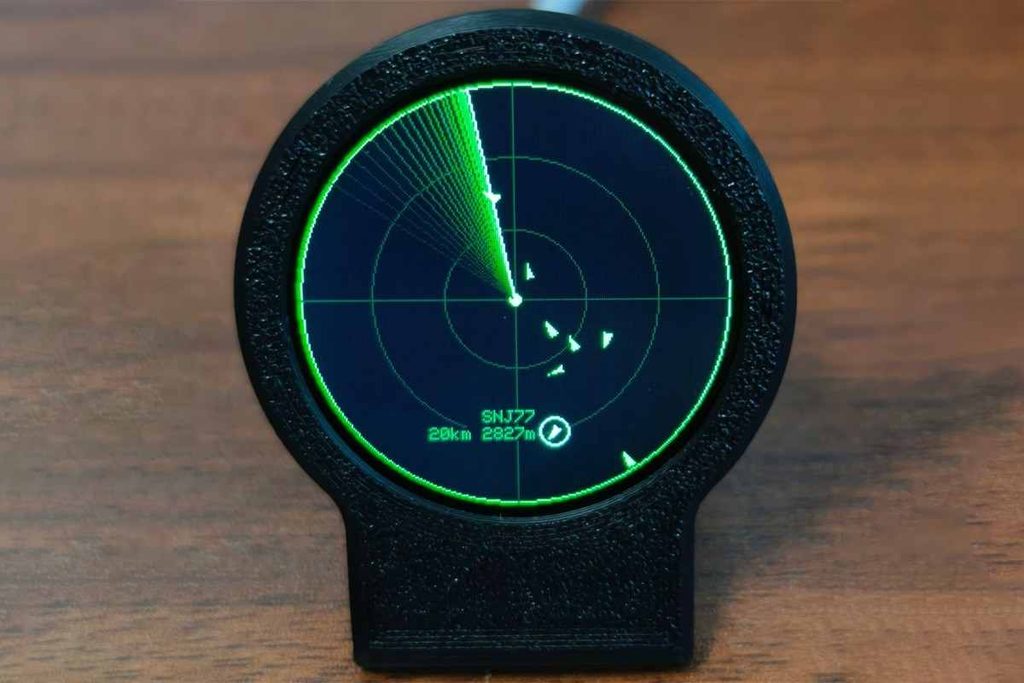
A live flight tracker is a digital service that displays real-time information about aircraft currently in the sky or scheduled for departure. It pulls data from various sources such as radar systems, satellite feeds, and airline databases to show details like flight number, current altitude, speed, route, and estimated arrival time. Most platforms present this information visually on an interactive map, allowing users to see the exact position of an aircraft as it travels from one destination to another.
These tools are not just for aviation enthusiasts. Airlines, airports, logistics companies, and everyday passengers all rely on this technology. With a few taps, anyone can check whether a flight is on time, delayed, or has been rerouted due to weather or technical issues, making travel planning significantly easier and more predictable.
How Does a Live Flight Tracker Work
Behind the simple interface of a live flight tracker lies a complex network of technology. Most trackers use a system called ADS-B, or Automatic Dependent Surveillance–Broadcast, which allows aircraft to transmit their GPS location, speed, and altitude to receivers on the ground. This data is then collected, processed, and displayed on maps in near real time.
In addition to ADS-B, some platforms combine radar data and information directly from airlines to fill in gaps, especially over oceans or remote areas where ground receivers may not reach. This blended approach ensures that even long-haul international flights can be monitored with reasonable accuracy throughout their journey.
The result is a seamless experience where users can search for a specific flight number or route and instantly see its status. Some advanced systems even predict potential delays by analyzing weather patterns, air traffic congestion, and historical performance data for that particular route.
Why People Rely on Flight Tracking Tools
The popularity of these platforms has grown rapidly, and there are several practical reasons behind this trend. People no longer want to wait passively for updates; they want control over their own travel information.
Here are some common reasons travelers use a live flight tracker:
- Checking real-time departure and arrival status before heading to the airport
- Monitoring a connecting flight to see if there is enough time to make the transfer
- Tracking a loved one’s journey for peace of mind, especially during long trips
- Avoiding unnecessary waiting time at arrival gates by checking for delays in advance
- Planning pickup times more accurately based on actual landing schedules
- Staying informed during severe weather events that may affect multiple flights
These use cases highlight how flight tracking has moved beyond a niche interest and become a mainstream travel necessity, helping reduce uncertainty and stress associated with air travel.
Key Features to Look For
Not all flight tracking platforms offer the same level of detail or reliability. When choosing a service, it helps to understand what separates a basic tool from a genuinely useful one. A well-designed live flight tracker should provide accurate, frequently updated information along with an intuitive interface that even non-technical users can navigate easily.
Some important features include real-time map visualization, historical flight data, weather overlays, and notifications for status changes. Many platforms also allow users to filter flights by airline, airport, or aircraft type, which is particularly useful for those tracking multiple journeys simultaneously.
Below is a simple comparison of features commonly found across popular flight tracking platforms:
| Feature | Basic Trackers | Advanced Trackers |
|---|---|---|
| Real-time map view | Yes | Yes |
| Delay predictions | No | Yes |
| Push notifications | Limited | Comprehensive |
| Historical flight data | No | Yes |
| Weather overlay | No | Yes |
| Airport terminal details | Limited | Detailed |
| Multi-flight tracking | No | Yes |
This comparison shows why many frequent travelers eventually upgrade to more advanced platforms that offer richer, more actionable data rather than just basic location updates.
Benefits for Frequent Travelers and Businesses
For business travelers and companies managing logistics, a live flight tracker offers far more than convenience; it becomes a practical planning tool. Sales teams coordinating client meetings, event organizers managing guest arrivals, and logistics companies tracking cargo shipments all benefit from having precise, real-time flight data at their fingertips.
Corporate travel managers often use these tools to monitor multiple employee flights at once, ensuring smooth coordination of ground transportation and meeting schedules. If a flight is delayed, adjustments can be made immediately rather than after the fact, saving both time and money.
Freight and cargo companies also depend heavily on flight tracking to coordinate delivery timelines. Since air cargo often connects with trucking or rail logistics, even small delays can ripple through an entire supply chain. Having real-time visibility allows these businesses to communicate proactively with clients and adjust plans before problems escalate, ultimately improving overall efficiency and customer satisfaction.
Using a Live Flight Tracker During Layovers
Layovers can be one of the most stressful parts of air travel, especially when connection times are tight. A live flight tracker becomes particularly valuable in these situations, allowing passengers to monitor both their arriving and departing flights simultaneously.
By checking real-time gate information and estimated arrival times, travelers can make quicker decisions, such as whether to rush to a nearby gate or seek assistance from airline staff for a missed connection. This proactive approach reduces panic and helps passengers navigate unfamiliar airports with more confidence.
Many tracking platforms also display terminal maps and walking distances between gates, which is especially useful in large international airports where connections can involve long walks or even terminal transfers. Having this information in advance helps travelers plan their route through the airport more efficiently, minimizing the risk of missing a connecting flight due to poor time management or unfamiliarity with the airport layout.
Weather and Flight Delays
Weather remains one of the leading causes of flight disruptions worldwide, and this is precisely why flight tracking tools often integrate weather data directly into their platforms. A live flight tracker that includes weather overlays allows users to see storm systems, turbulence zones, or fog conditions that might affect a specific route.
This added context helps travelers understand why a flight might be delayed, rather than simply seeing a vague status update. For instance, if a departure city is experiencing heavy snowfall, passengers can anticipate possible delays and plan accordingly, such as adjusting airport arrival times or rebooking connecting transportation.
Airlines themselves also rely on similar systems internally, but public-facing tracking tools give passengers the same level of insight, closing the information gap that once existed between airline operations teams and everyday travelers. This transparency has significantly improved the overall passenger experience during weather-related disruptions.
Mobile Apps vs Web-Based Tracking
Today, most people access a live flight tracker through mobile applications rather than desktop websites, largely due to convenience and portability. Mobile apps often include push notifications, allowing users to receive instant alerts about gate changes, delays, or cancellations without having to manually refresh a page.
Web-based platforms, on the other hand, are often preferred by users who want a larger screen view, such as when monitoring multiple flights at once from an office desktop. Some travelers use both, checking quick updates on their phone while relying on the website for more detailed research before a trip.
Regardless of the platform chosen, the underlying data source remains largely the same, meaning consistency across devices is generally high. The choice ultimately comes down to personal preference and the specific context in which the tracking tool is being used, whether on the move or during pre-trip planning.
Tips for Getting the Most Accurate Results
To get the best experience from any flight tracking service, a few simple practices can make a noticeable difference:
- Always search using the correct flight number rather than just the route
- Cross-check estimated times with airline announcements for critical connections
- Enable notifications well in advance of your travel date
- Use apps that offer offline caching in case of poor airport connectivity
- Pay attention to both scheduled and estimated times, as they can differ significantly
Following these small steps ensures that the information you receive is as accurate and useful as possible, reducing the chances of confusion during time-sensitive travel situations.
Final Thoughts
Air travel will always involve a degree of unpredictability, from sudden weather changes to unexpected technical delays. However, tools like a live flight tracker have transformed how passengers, businesses, and even curious onlookers interact with this uncertainty. Instead of waiting anxiously for updates, travelers now have direct access to real-time data that empowers better decision-making at every stage of a journey.
From avoiding missed connections to coordinating pickups and managing business logistics, the practical value of flight tracking extends far beyond simple curiosity. As technology continues to improve, these platforms are likely to become even more precise, integrating deeper predictive analytics and smarter notifications. For anyone who flies regularly or depends on accurate arrival information, learning to use a reliable flight tracking tool effectively is no longer optional; it is a genuinely smart travel habit that saves time, reduces stress, and keeps you informed every step of the way.