Few words in aviation cause as much curiosity, or as many myths, as autopilot. Some passengers picture the pilots reading a magazine while the plane flies itself. Others worry that the whole journey is left to a computer. The truth sits comfortably in the middle, and understanding what autopilot really does can make you feel calmer the next time you hear the engines settle into cruise.
Autopilot Is a Tool, Not a Replacement
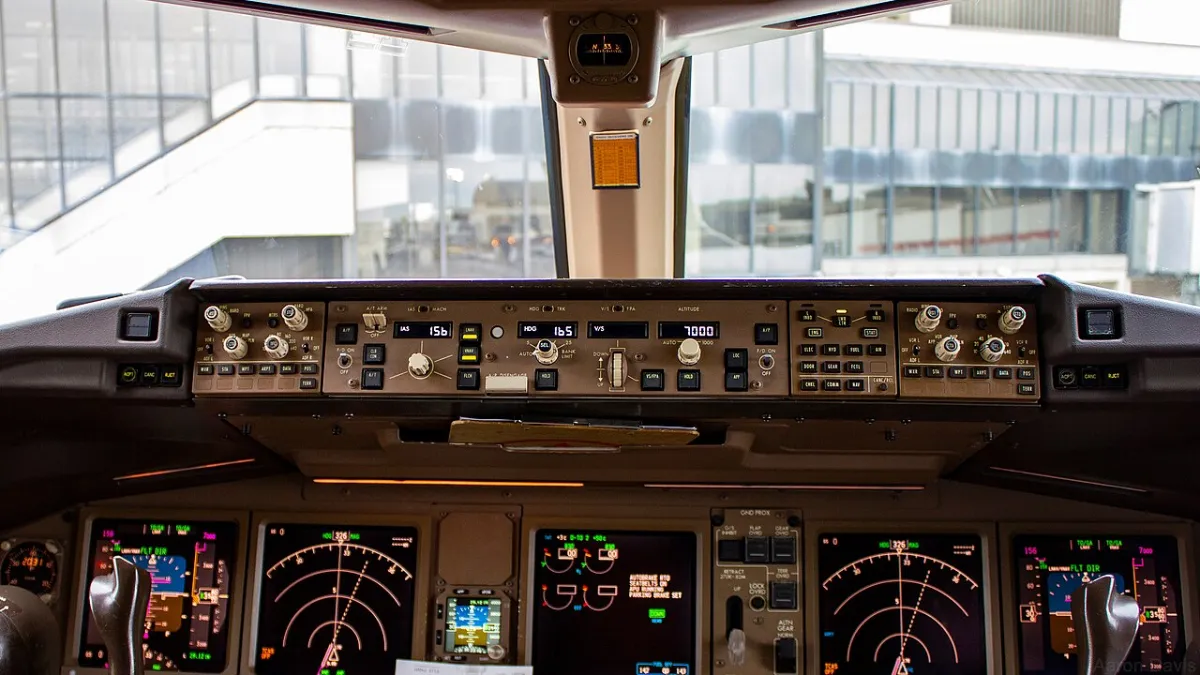
The FAA describes most use of autopilot as supervised automation: the system carries out a task while the pilots watch over it, and the pilots must be able to do that task themselves and take over at any time. In other words, autopilot flies the path the crew has chosen, but the crew remains in charge.
Always Easy to Switch Off
US certification rules require each pilot to have a quick-disconnect button on the control wheel, and the autopilot must not become hazardous if a pilot pushes against the controls. When it disconnects, a clear visual and sound warning tells everyone on the flight deck. The design assumes a human will want to step in, and makes that easy.
Pilots Are Busy Monitoring
When autopilot is flying, the pilots are not idle. They check that the plane is following the planned route and height, confirm the system is in the right mode, watch the weather, talk to air traffic control and prepare for what comes next. FAA guidance notes that automation can reduce workload in normal flying, yet it can also add complexity when something does not go to plan, so training now includes how to spot problems and when to intervene.
How the Computer Fits In
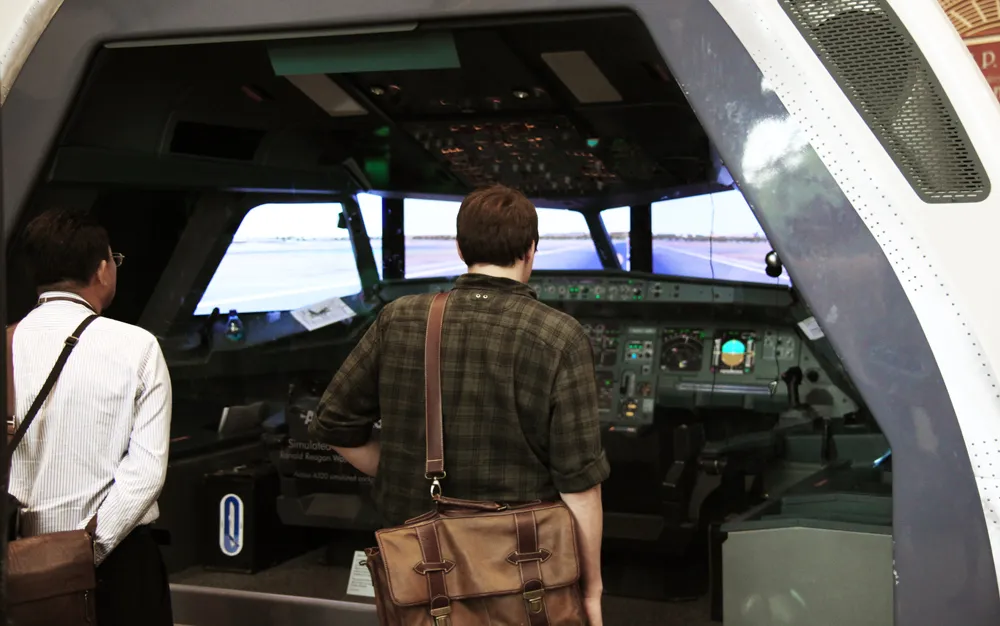
Modern airliners have a flight management system, often called the FMS. Think of it as the planner: it holds the route as a list of waypoints and feeds guidance to the autopilot, which then moves the controls to follow that guidance. The FAA’s handbook describes the pilot as taking a managerial role, and warns that the system usually does exactly what it has been told, so a wrong entry would be flown faithfully. That is why crews cross-check each other’s inputs.
What Phases Are Automated?
Practice varies between airlines and aircraft, so there is no single rule. Commonly, the autopilot is switched on shortly after take-off and used through the climb and cruise, and pilots may use it for part of the descent and approach as well. Many crews also hand-fly parts of the journey when conditions suit. Think of the usual pattern as typical, not universal.
Can a Plane Land Itself?
Yes, in a special sense. Autoland uses the autopilot, autothrust and radio altimeters to guide a plane down to the runway. SKYbrary explains it was designed for visibility too poor to land by eye, although it can be used in any conditions. Pilots set it up, monitor it and can start a go-around at any moment, and crews and airports need special approval and training for these operations.
Not Every Runway Qualifies
Some runways and landing systems are simply not suitable, which is why autoland is a specific, approved capability rather than something used on every flight. After landing, pilots usually take over for the taxi to the gate.
A Short History of Autopilot
The idea is older than most people expect. In June 1914, American inventor Lawrence Sperry entered a safety competition near Paris with a gyroscopic stabiliser, according to HistoryNet. He famously took his hands off the controls while his mechanic walked out on the wing, and the device corrected the aircraft’s bank. They won the prize, and a new chapter in flying began. You may see an earlier date quoted in some places, but I could not confirm it in the sources I read.
Myths Worth Retiring
‘The Plane Flies Itself’
Not quite. The system flies a path that humans select and supervise, and it is built so that they can override it.
‘Pilots Forget How to Fly’
Regulators know that relying heavily on automation could weaken hand-flying skills. The FAA has encouraged airlines to build manual flying into training and everyday operations, so pilots stay sharp.
Frequently Asked Questions
Is there always a pilot flying the plane?
Yes. Even with autopilot engaged, the crew is monitoring and ready to take control.
Is autoland used on every flight?
No. It is a specific capability used mainly in low visibility or where required, and it needs approved equipment, runways and training.
Who invented the autopilot?
Lawrence Sperry’s 1914 public demonstration is among the best-known early moments, building on the gyroscope work of his father’s company.
Final Thoughts
Autopilot is best thought of as a brilliant assistant that never gets tired, working alongside pilots who are trained to think, decide and act. Next time you cruise above the clouds, you can relax in the knowledge that two humans are still firmly in charge, with a very capable helper doing the steady work.