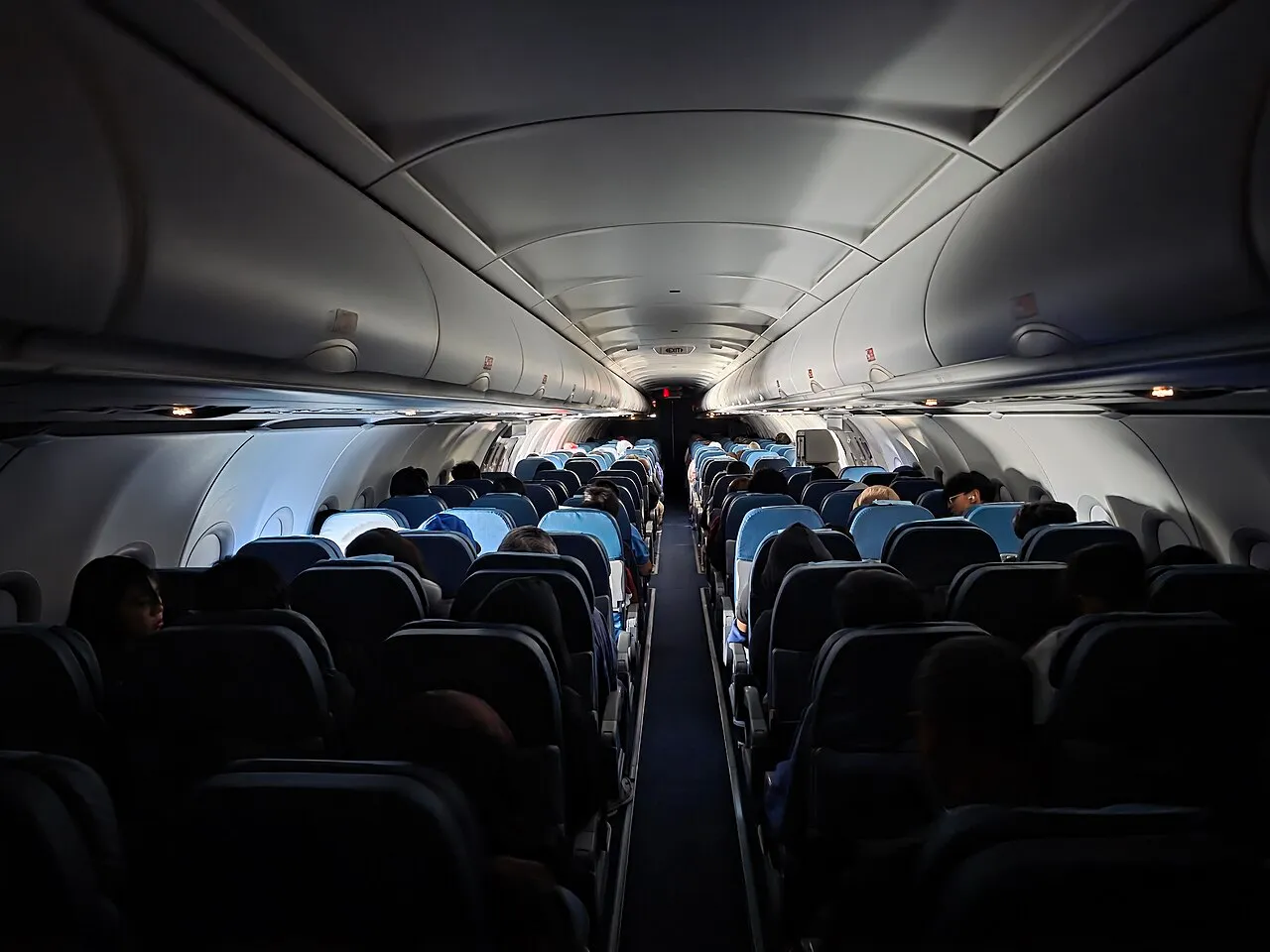
You settle into your seat, the engines spool up, and the cabin lights suddenly sink into a soft glow. If you have ever wondered whether the crew is setting a mood or preparing for something, you are not alone. The dimming is one of those small rituals of flying that feels almost theatrical, yet it has a practical purpose that most passengers never hear about.
The short version is that it is about your eyes. The longer version is a quiet story about how airlines prepare for the unlikely, so that the thousands of ordinary flights each day stay ordinary.
Why the Cabin Lights Dim for Takeoff and Landing
On night flights, and often around dusk and dawn, cabin crews lower the lighting before takeoff and again before landing. Takeoff and landing are the busiest and most critical phases of a flight, and they are also the moments when an emergency, however rare, would most likely require people to leave the aircraft quickly.
Human eyes are not like cameras. Stepping from a brightly lit room into darkness leaves you almost blind for a while, and full adjustment can take several minutes. If the cabin were fully lit and passengers had to rush out into a dark night, those first confusing seconds would count against them. By lowering the lights in advance, crews let everyone’s eyes get a head start.
Matching the Cabin to the World Outside
Think of it as setting the cabin to roughly the same brightness as the night outside. If you ever needed to leave through an exit, you would step into a light level your eyes have already adapted to, rather than facing a sudden drop from glare to blackness.
Dim, Not Dark
Importantly, the cabin is dimmed rather than switched off. Illuminated exit signs and floor-level lighting stand out much better in a softly lit cabin than in a bright one. Some aircraft use electrically powered lighting along the aisle, while others use glow-in-the-dark strips that charge from the cabin lights. Exit markings are required by aviation regulators to be visible in the dark, so the dim light simply lets those guides do their job.
Window Shades, Seat Backs and Other Small Requests
Dimmed lights rarely arrive alone. Around the same time you are usually asked to raise your window shade, bring your seat upright, fasten your seatbelt and stow your tray table. Each request has its own logic, and together they make the cabin easier to move through if something goes wrong.
Why Your Window Shade Goes Up
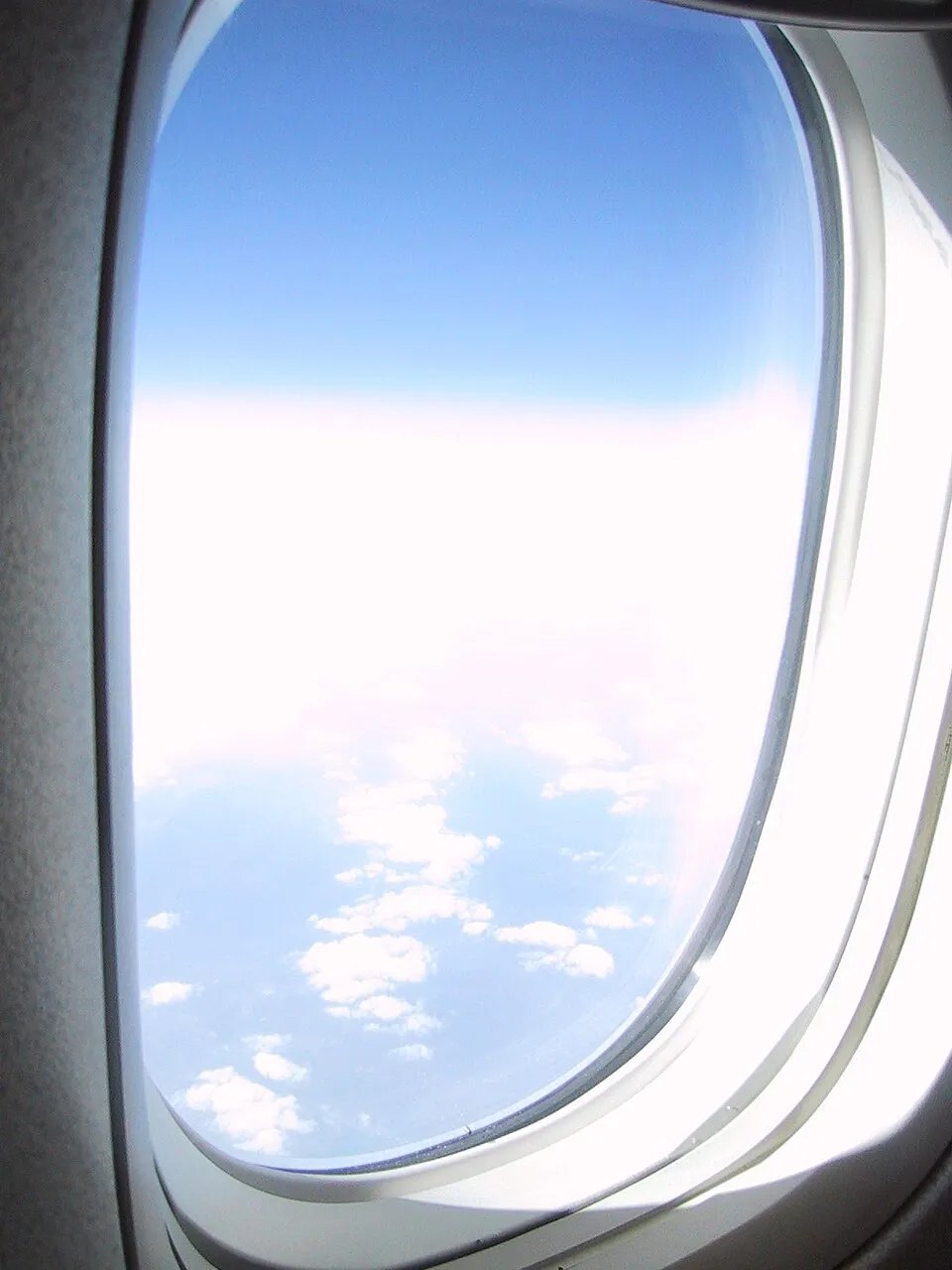
An open shade lets outside light into the cabin, which also helps your eyes adapt. Just as important, it lets the crew look outside. Before opening a door in an emergency, flight attendants need to check for hazards such as fire or debris, and rescuers outside can see into the cabin too. Many crews say the flight attendant responsible for a given exit may have the final word on nearby shades, so it is worth following instructions on the day.
Upright Seats and Clear Aisles
Upright seat backs and stowed tables keep the path to the exits clear, and an upright seat is easier to climb over or around. None of it is about inconvenience for its own sake. It is about shaving seconds off a hypothetical scramble.
Built for the Worst Day, Used on the Best
Airliners are designed and tested with evacuation in mind. Manufacturers must demonstrate that a full aircraft can be emptied in about 90 seconds even with half the exits unavailable, and those demonstrations are often carried out in darkened conditions. It is a high bar, and it is one reason the preparations you see as a passenger are so consistent.
A real-world reminder came in January 2024, when a Japan Airlines Airbus A350 caught fire after landing at Tokyo Haneda. Reports indicate that only some of the exits were usable, yet all passengers and crew got off the aircraft. Calm passengers who followed crew instructions were a big part of that outcome, and the careful preparation behind the scenes helped too.
Does Every Airline Dim the Lights?
Not always. Practices vary between airlines, aircraft types and times of day. Some operators dim the cabin only at night, others also at dusk and dawn, and some aircraft handle lighting differently because of how their emergency path lighting works. I could not find a single universal rule spelled out for passengers, so treat the dimming as common practice rather than a guarantee. If your flight leaves in bright daylight, you may notice no change at all.
What You Can Do as a Passenger
You do not need to memorise anything, but a few habits make a real difference. Look up from your phone when the lights lower and spend a moment noticing where the nearest exit is, ideally counting the rows to it. Keep your shade open if asked. Listen to the safety briefing, even if you have heard it a hundred times. And keep your shoes on and your essentials in the bag at your feet, so you are never searching for them in a hurry.
There is something quietly reassuring about all this. The dimmed lights are not a sign that something is wrong. They are a sign that the crew is doing their job well, one small, unglamorous step at a time.
Frequently Asked Questions
Is it normal for the lights to dim in the daytime?
It is less common, but it can happen, for example at dusk, dawn or on some aircraft. In bright daylight, many airlines simply leave the cabin lighting as it is, because your eyes are already adjusted to the outside brightness.
Do I have to open my window shade for takeoff and landing?
Crews generally ask for it, so it is best to comply. Open shades let the crew see outside and let light into the cabin. If you are unsure, the flight attendant near your row can tell you what they prefer.
Is dim lighting a sign of a problem with the plane?
No. Dimming is a routine, planned step on many flights, and it is done before takeoff and landing on purpose. Think of it as preparation rather than a warning.
Final Thoughts
The next time the cabin glows low and the engines begin to roar, you will know what is happening. It is not mood lighting. It is a gentle, practical way of giving everyone’s eyes a head start in case they ever need it. Flying is remarkably safe, and moments like this are part of the reason why. Enjoy the view, keep your shade up, and know the crew has your back.