You are somewhere over the ocean, the cabin lights are low, and your cup of tea has just started to ripple. Then comes the drop, a quick lurch that makes your stomach float. Almost everyone who flies has felt it, and for many people it is the single most unsettling moment of a journey. The good news is that turbulence is one of the best-understood parts of flying, and the aircraft around you are built with it in mind.
This guide explains, in plain language, what turbulence is, why it happens, how crews handle it, and the one simple habit that really keeps you safe.
What Turbulence Actually Is
Turbulence is simply air that is not moving smoothly. Think of a boat crossing choppy water: the boat is fine, but you feel every wave. An aircraft moving through uneven currents of air feels the same kind of bumps, only the “waves” are invisible.
Pilots and meteorologists usually describe it in steps. Light turbulence feels like gentle bumps and drinks may ripple. Moderate turbulence tugs you against your seatbelt, makes walking hard and shifts loose items. Severe turbulence is rare and violent enough to throw around anything that is not secured, and extreme turbulence is exceptionally rare. Most flights, if they meet any bumps at all, only meet the light kind.
Why the Air Gets Bumpy
There is more than one cause, and knowing which is which can take some of the mystery out of it.
Storms and rising warm air
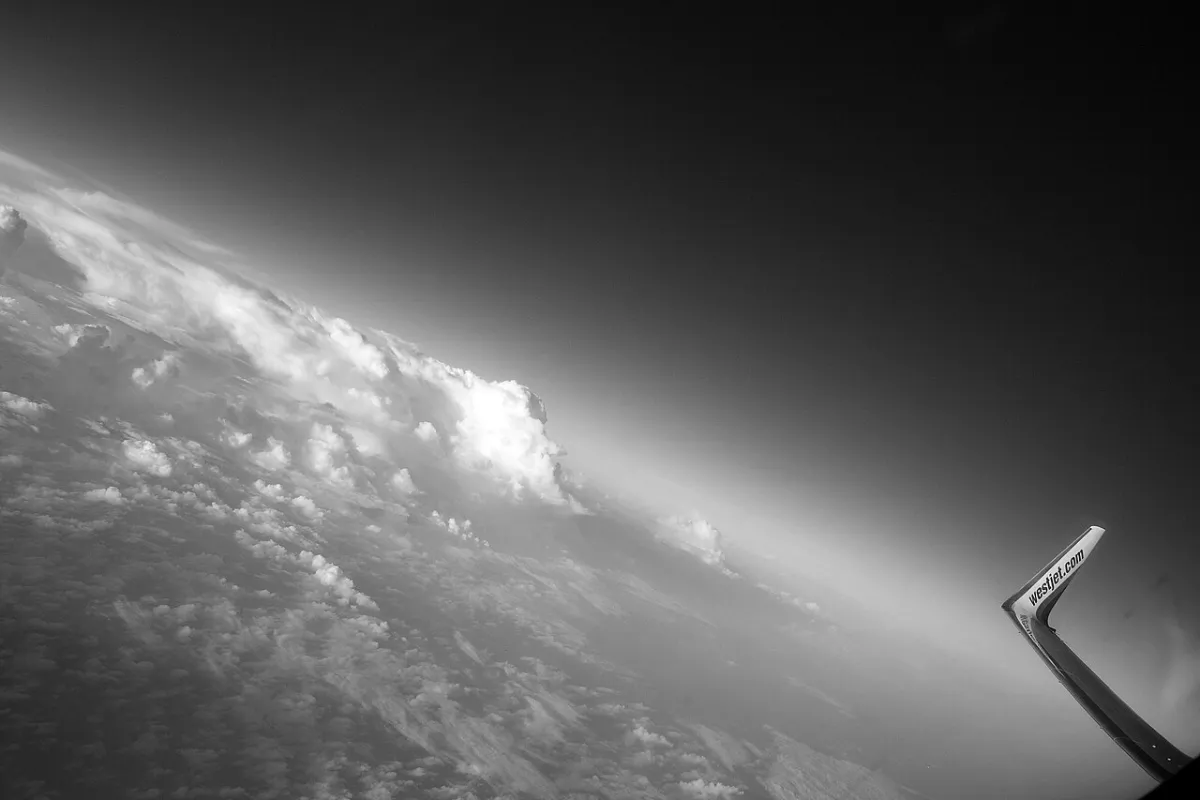
When the sun heats the ground unevenly, warm air rises in invisible columns, and thunderstorms can stir the air even more. This kind is often called convective turbulence. Pilots can usually see storm cells on weather radar and plan a route around them, which is why you sometimes feel the aircraft take a gentle detour.
Clear-air turbulence
This is the type that surprises everyone, because it happens in perfectly blue skies. It tends to form where fast winds meet slower air, often near the jet streams at high altitude. Weather radar generally cannot see it, so crews rely on forecasts, reports from other flights and, of course, the seatbelt sign.
Mountains and other aircraft
Wind pushed up and over mountains can create waves of rough air downwind, which is why flights near big ranges sometimes get a shake. Close to airports, the swirling air left behind by a larger aircraft ahead of you can also cause a short, sharp bump. Controllers space aircraft apart to keep this to a minimum.
Can Turbulence Damage the Plane?
This is the fear underneath most of the others, and the reassurance is solid. Airliners must be certified to cope with loads far beyond what they should ever meet in service, with commonly cited margins of about one and a half times the highest expected load. Wing flex tests on large modern jets have shown wings bending dramatically before reaching their limits. In practice, passengers feel a bump, but the structure is built to shrug it off.
The real risk from turbulence is not the aircraft breaking up. It is people being thrown around inside the cabin when they are not strapped in. Investigators looking at serious turbulence injuries have repeatedly found that most of the people hurt were not wearing a seatbelt at the time.
The Rare Cases That Make Headlines
Serious turbulence incidents do happen, and they get a lot of attention. In May 2024 a Singapore Airlines Boeing 777 hit severe turbulence over Southeast Asia; one passenger died and dozens were injured, with reports of the exact injury count varying. Events like this are the exception, but they are a reminder of why crews ask you to stay buckled.
Researchers also say there may be more bumpy air ahead. A University of Reading study, published in Geophysical Research Letters, found that severe clear-air turbulence over the North Atlantic increased by roughly 55 percent between 1979 and 2020, with scientists linking this to changes in the jet stream as the climate warms. It does not mean flying is unsafe, but it does mean airlines and forecasters are paying close attention.
How to Stay Comfortable and Safe
You cannot control the weather, but you can control how you handle it. A few small habits make a big difference.
Keep your seatbelt on
Wear it low and snug across your hips whenever you are seated, even when the sign is switched off. Clear-air turbulence can arrive without warning, and this single habit protects you from nearly all turbulence injuries.
Stow things properly
Keep belongings in the seat pocket, under the seat in front or in the overhead bin. Loose laptops and hot drinks become hazards in a sudden jolt.
Choose your seat wisely
Many travellers say seats over the wings feel a little steadier than seats at the back, though experiences vary. It will not remove bumps, but it may help a nervous flyer feel more settled.
Breathe and distract yourself
Slow breathing, a favourite playlist or a film can help your mind settle. Remind yourself that the pilots can feel exactly what you feel, they are trained for it, and the cabin crew are usually calmly carrying on beside you.
Frequently Asked Questions
Is turbulence dangerous for the plane?
For modern airliners, no. They are designed and tested to handle forces much greater than ordinary turbulence. The main danger is to unbuckled people inside the cabin.
Why does the pilot turn the seatbelt sign on?
Because the crew expect rough air ahead, from forecasts, radar or reports from other flights. The sign is there to protect you, so it is worth following even if the air feels calm at that moment.
Can pilots always avoid turbulence?
Not always. They can steer around storms they can see on radar, but clear-air turbulence is invisible, so some bumps simply cannot be predicted perfectly.
Final Thoughts
Turbulence feels dramatic because we are used to the ground staying still beneath us. In the air, it is an ordinary part of moving through a living, shifting atmosphere, and the aircraft, the crew and the planning behind every flight are all built for it. Keep your seatbelt fastened, breathe out slowly and trust the people up front. The bumps will pass, and the smooth air, and the view of a sky full of towering clouds, will return before long.