Next time you board a plane and settle into a window seat, take a moment to look out at the very end of the wing. On many modern jets you will spot a small upturned fin, a graceful curve, or a sharp little blade pointing skyward. Those are winglets, and they are one of the quietest success stories in aviation. They do not make announcements, they do not light up, and most passengers never think about them. Yet they help planes burn less fuel, and that is a big deal for airlines and for the planet.
What Exactly Is a Winglet?
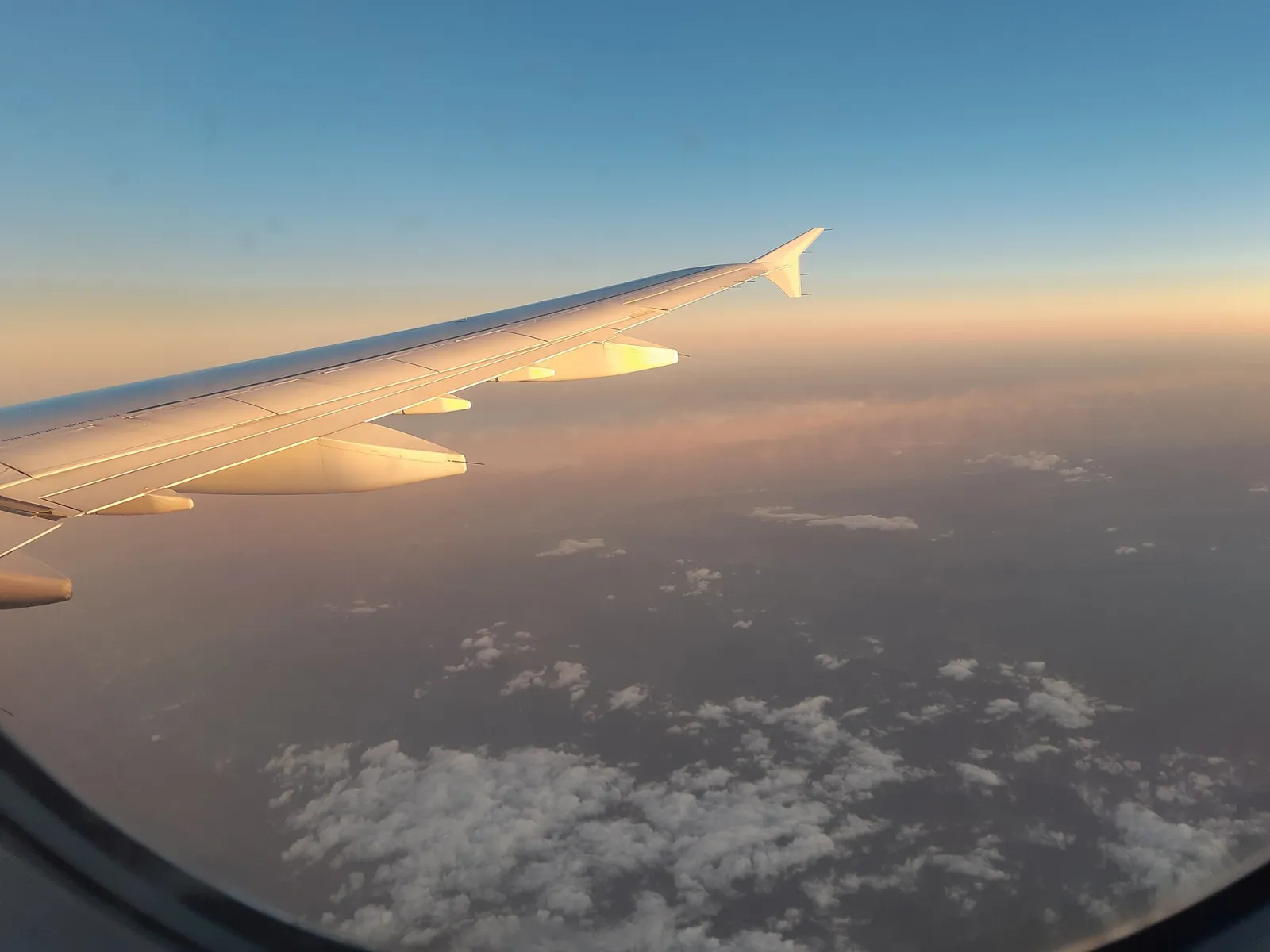
A winglet is a small, near-vertical extension fixed to the tip of a wing. It looks like a decoration, but it is doing serious work. Its job is to tame the swirling air that forms at the end of every wing, so the aircraft can slip through the sky with a little less effort.
The invisible problem at the wingtip
To fly, a wing creates higher pressure underneath and lower pressure on top. At the wingtip, air from the high-pressure side naturally tries to curl around the end toward the low-pressure side. The result is a spinning corkscrew of air called a wingtip vortex. That swirl wastes energy, which shows up as extra drag, and it can also disturb aircraft flying close behind.
How a small fin helps
A winglet interferes with that curling motion. It weakens the vortex, so less energy is lost to the swirl. The same idea applies to a paper plane: a clean, tidy wingtip tends to glide better than a messy one. Engineers often describe winglets as a way of making a wing act as if it were longer, without actually adding the extra span and weight that a longer wing would need.
A Short History of a Clever Idea
The urge to tidy up wingtips is older than you might think. Long before modern jets, a British scientist named Frederick Lancaster patented the idea of end plates on wings. They were an early and less effective attempt to do the same job.
The modern winglet is usually linked to NASA aerodynamicist Richard Whitcomb. In the 1970s he published research comparing a wing fitted with a winglet against the same wing with a simple extension, and the results showed a clear drag advantage for the winglet. Over the following decades, designers refined the concept, and by the 1990s blended winglets, which curve smoothly upward instead of meeting the wing at a sharp angle, were becoming common.
Why Passengers Should Care
Lower fuel burn
The headline benefit is fuel. Reports vary depending on the aircraft and the flight, but some sources suggest savings of several percent, with one often-quoted figure around 6.5 percent from testing. Real-world results depend on how long the flight is, because winglets help most on routes where the plane spends plenty of time climbing and cruising at moderate distances. For airlines running thin margins, even a few percent is a very large amount of money over a year.
Quieter, cleaner skies
Burning less fuel means producing less carbon dioxide for the same trip. Winglets will not solve aviation’s climate challenge on their own, but they are a rare example of a technology that is cheap compared with its payoff and can even be added to older aircraft.
A smoother, steadier ride
Some sources also credit winglets with a small boost to stability. Do not expect them to erase turbulence, but they are part of the overall design that keeps flights comfortable.
The Many Shapes of Winglets
Not all winglets look alike. Different manufacturers have developed their own versions, and spotting them is a fun game for plane lovers.
Blended winglets
These curve gently up from the wing in one smooth line. They became a familiar sight on many Boeing 737s, and many travellers have seen them without knowing what they were called.
Sharklets
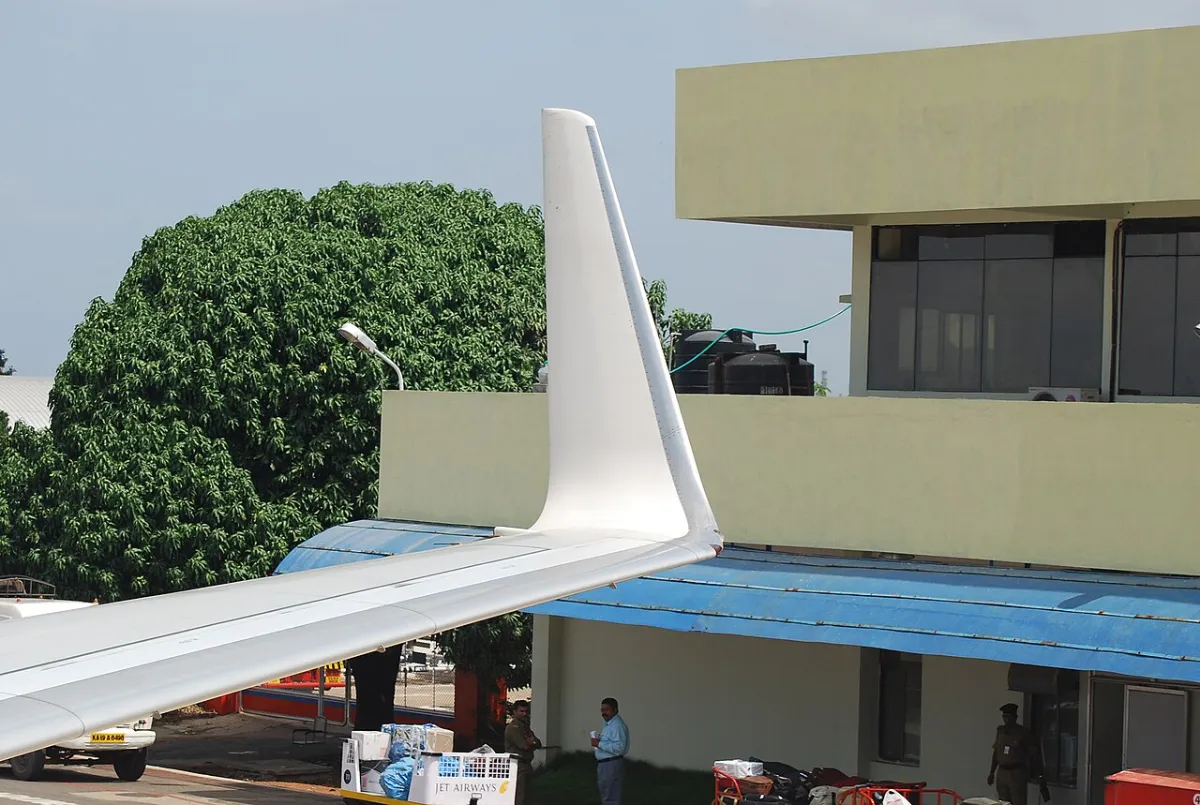
This is Airbus’s name for its upward-pointing wingtip fences, introduced on the A320 family in 2011. If you fly on a recent A320 or A321, look for the tall, clean blade rising from each wingtip.
Scimitar and split-scimitar winglets
Scimitar-style winglets are shaped like a curved blade. The split-scimitar design, used on the Boeing 737 MAX, adds a lower section that points downward as well as upward, for extra efficiency.
Raked and folding wingtips
Some aircraft take a different path. Raked wingtips sweep backward instead of up, as on newer Boeing widebodies. The Boeing 777X goes further with folding wingtips, which tuck in when the plane is at the gate so it fits in standard airport spaces.
Are There Downsides?
Winglets are not magic. They add weight and cost, they need to be carefully designed for each aircraft, and the benefit shrinks on very long flights. They also put extra stress on the wing, so engineers have to strengthen the structure. Rumours of winglets snapping off in turbulence are overblown; any detachment is extremely rare, and aircraft are tested to handle forces far beyond normal flying.
Frequently Asked Questions
Do all planes have winglets?
No. Many modern airliners have them, but some designs rely on other solutions, and older aircraft may have been built without them. Some can be retrofitted, which is why you may see two planes of the same type with different wingtips.
Can winglets make a plane go faster?
Mostly they are used to save fuel rather than to gain speed. The reduced drag can in theory allow a higher cruise speed, but airlines usually choose to bank the savings instead.
Which seat gives the best view of winglets?
A window seat ahead of the wing gives you a good angle looking back at the wingtip. Sit on the side where the sun is behind you and the view tends to be clearer.
Final Thoughts
Winglets are a reminder that big improvements in aviation do not always come from giant engines or flashy cabins. Sometimes they come from a small, elegant curve at the end of a wing. Next time you fly, take a look at yours, and you may start noticing the quiet details that make flight work. If you love collecting beautiful aircraft details at home, brands such as Modelworks Direct celebrate the same craftsmanship that goes into every wingtip.