
A phone that dies halfway through a long journey can feel like a small disaster. That is why so many of us pack a portable charger. But power banks on planes are covered by safety rules that have been changing, and the rules differ from airline to airline. This guide walks through the basics in plain language, so you can pack with confidence and avoid a surprise at the security line or the gate.
A quick note first: regulations and airline policies move quickly in this area. Treat this as a general guide and always check your own airline’s page before you fly.
Why Batteries Belong in Your Carry-On
The FAA says spare lithium batteries and power banks must travel in carry-on baggage, never in checked bags. If your cabin bag is taken at the gate and put in the hold, take the spare batteries out and keep them with you. Europe’s safety agency, EASA, gives the reason in simple terms: in the cabin, a battery can be monitored and dealt with quickly if something happens, which is far harder in the hold.
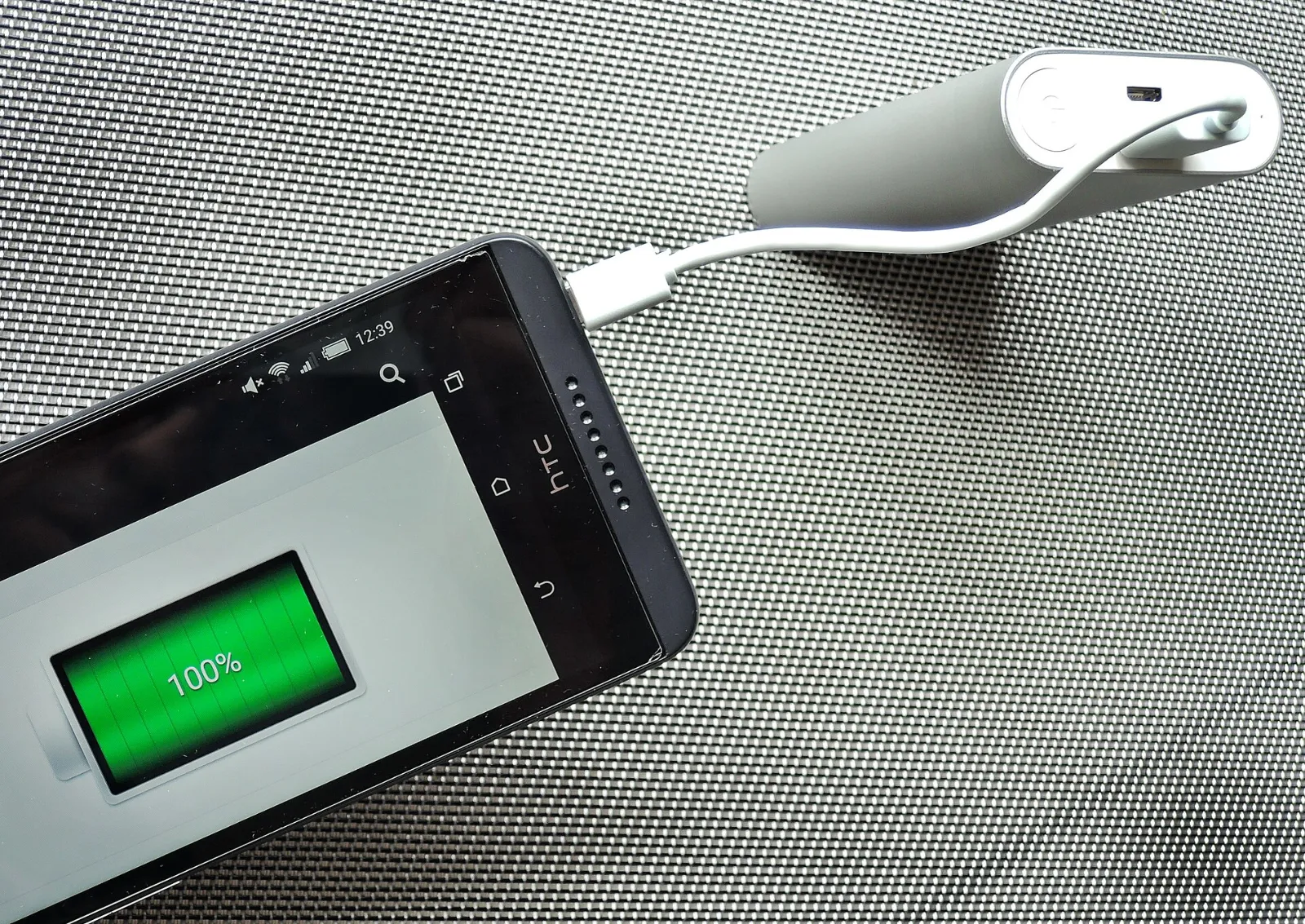
Understanding the Size Limits
Power banks are measured in watt-hours, shortened to Wh. You will usually find the figure printed on the battery. If it only shows volts and amp-hours, the FAA explains you can multiply the two to get watt-hours.
Up to 100 Wh
Lithium-ion batteries up to 100 Wh can be carried without special approval, provided they are for personal use. Most everyday power banks, including many of the popular pocket-sized models, fall comfortably inside this limit.
Between 100 and 160 Wh
With airline approval, passengers may carry up to two spare lithium-ion batteries in this larger range. The UK Civil Aviation Authority and EASA also cite 160 Wh as the upper limit with operator approval. Anything bigger is generally not permitted in the cabin.
Protect the Terminals
Batteries should not be able to short-circuit against metal such as keys or coins. The FAA lists easy ways to protect them: keep them in retail packaging, tape over the contacts, use a case or sleeve, or place each one in its own plastic bag or pouch. Damaged or recalled batteries are not allowed in carry-on or checked bags unless they have been made safe.
What Has Changed Recently
Several developments in 2025 and 2026 are worth knowing about.
New International Guidance
According to the UK CAA, an update to the ICAO technical instructions took effect on 27 March 2026. It says power banks must be carried in cabin baggage and individually protected. They should not be recharged on board, and should not be used to charge other devices during the flight. Each person may carry at most two, and larger lithium-ion power banks of 100 to 160 Wh need operator approval. I could not confirm whether US authorities have adopted every part of this, so check the rules for your route.
Airline Rules Vary
Airlines are free to be stricter. Emirates announced that from 1 October 2025 power banks could not be used in the cabin, with a limit of one under 100 Wh and its capacity visible on the label. Southwest Airlines, from late May 2025, asked that a power bank in use be kept in plain view rather than inside a bag, so crew can react quickly. A number of Asian carriers also introduced in-flight use bans during 2025, according to travel-industry reporting, but dates varied and I have not verified each one at the source.
Where Europe Stands
EASA’s guidance in 2025 said that using or charging power banks in flight was strongly discouraged, but not forbidden. I could not confirm whether that position has changed since, so it is best to follow your airline’s rule.
Smart Habits for Everyday Travellers
Keep It Within Reach
Keeping a power bank in a seat pocket or under-seat bag, rather than a high overhead locker, means you can reach it easily and notice if it feels unusually warm.
Avoid Packing It Near Flammables
EASA advises keeping batteries away from flammable items like perfume. It also notes that a lower charge level is safer.
Know What to Do If It Overheats
Tell a crew member straight away if a battery or device is hot, swollen, smoking or burning. Crews are trained to deal with lithium battery fires in the cabin, and the sooner they know, the better.
Frequently Asked Questions
Can I put a power bank in my checked bag?
No. Both the FAA and EASA say spare lithium batteries and power banks belong in carry-on only.
Can I use my power bank during the flight?
It depends on the airline. Some allow it, some ask you to keep it visible, and some ban use altogether, and international guidance advises against charging other devices from it, so check before you board.
How many power banks can I bring?
Under the latest ICAO guidance reported by the UK CAA, up to two per person, though airlines may set their own limits.
Final Thoughts
Travelling with a power bank does not need to be stressful. Pack it in your carry-on, check the watt-hour rating, protect the terminals and read your airline’s policy before you leave home. A few minutes of checking can save you a confiscated charger or a delayed boarding, and it keeps everyone on the flight a little safer. Happy, well-charged travels.