
For years, the advice barely changed: two hours for domestic flights, three hours for international. Everyone repeated it. Airlines printed it on booking emails. Airports displayed it on giant screens.
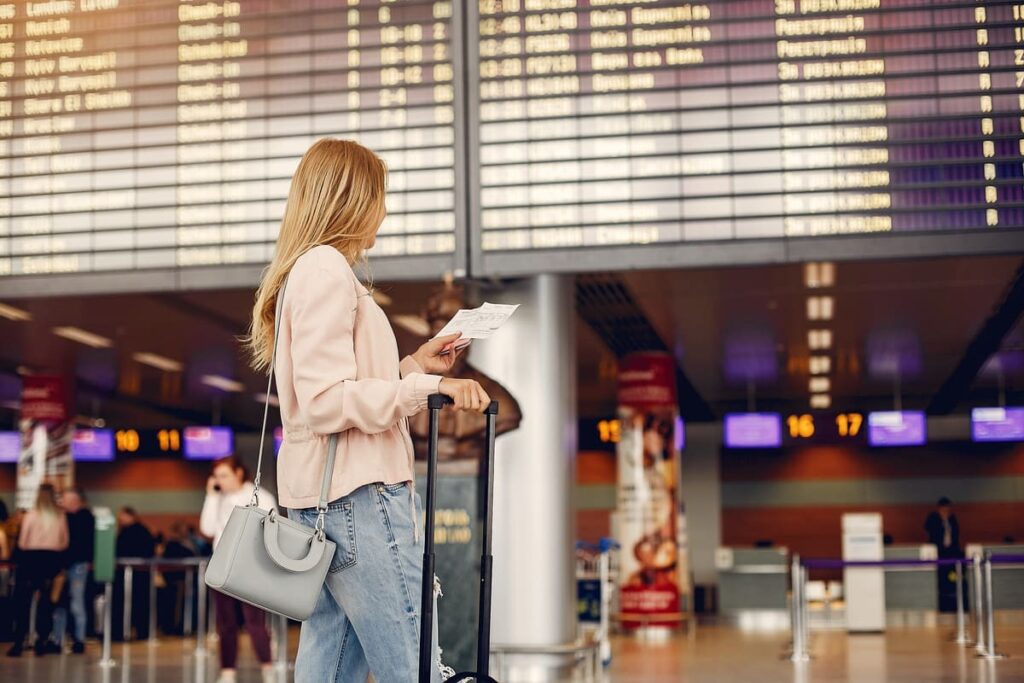
But airports in 2026 don’t work the way they did a decade ago. Security technology has improved. Check-in is mostly digital. Boarding passes live in phones. Bags tag themselves. Yet somehow, the question still causes stress before every trip.
So how early do you actually need to arrive now?
The honest answer is: it depends more on the airport than the airline.
The biggest time variable is still security
Check-in used to be the slow part. Today, security screening is usually the unpredictable step. Some mornings it takes ten minutes. Other days it feels like the entire city chose the same flight time as you.
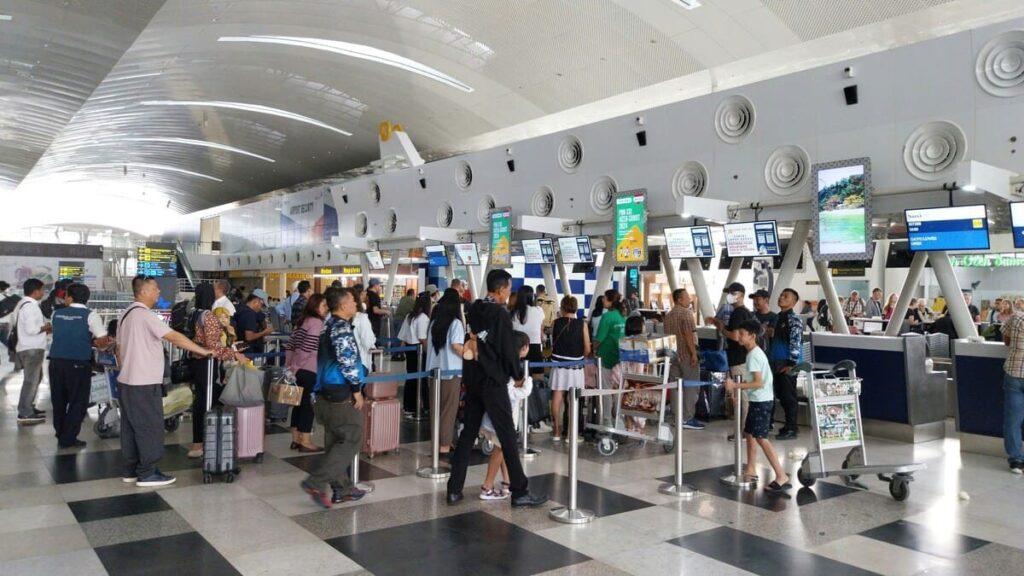
Airports have introduced smarter scanners, automated lanes, and biometric identity checks, but passenger numbers have also grown. The result is a strange balance: the process is faster per person, but the volume is higher than ever.
This is why the old time guidelines haven’t disappeared.
Domestic flights feel faster — until they don’t
If you’re traveling domestically with carry-on only, arriving 90 minutes before departure often works comfortably at many airports. Mobile check-in, digital boarding passes, and automated bag drops have removed much of the old waiting time.
But this changes quickly during peak hours. Early mornings, holiday travel, and Monday business flights can double security wait times without warning. That unpredictability is the reason airlines still recommend a two-hour buffer.
It’s not about average days. It’s about bad ones.
International travel still needs breathing room
Crossing borders adds layers that technology hasn’t fully streamlined yet. Passport control, document checks, and additional screening still take time. Even when lines move quickly, the process includes more steps than domestic travel.
For most international departures, the three-hour guideline still makes sense. Not because every trip takes that long, but because the consequences of cutting it too close are much higher.
Missing a domestic flight is inconvenient. Missing an international one can derail an entire trip.
Airport size changes everything
A small regional airport and a major international hub operate like completely different worlds. Walking from security to the gate at a small airport might take five minutes. At a mega-hub, it could involve trains, escalators, and long corridors.
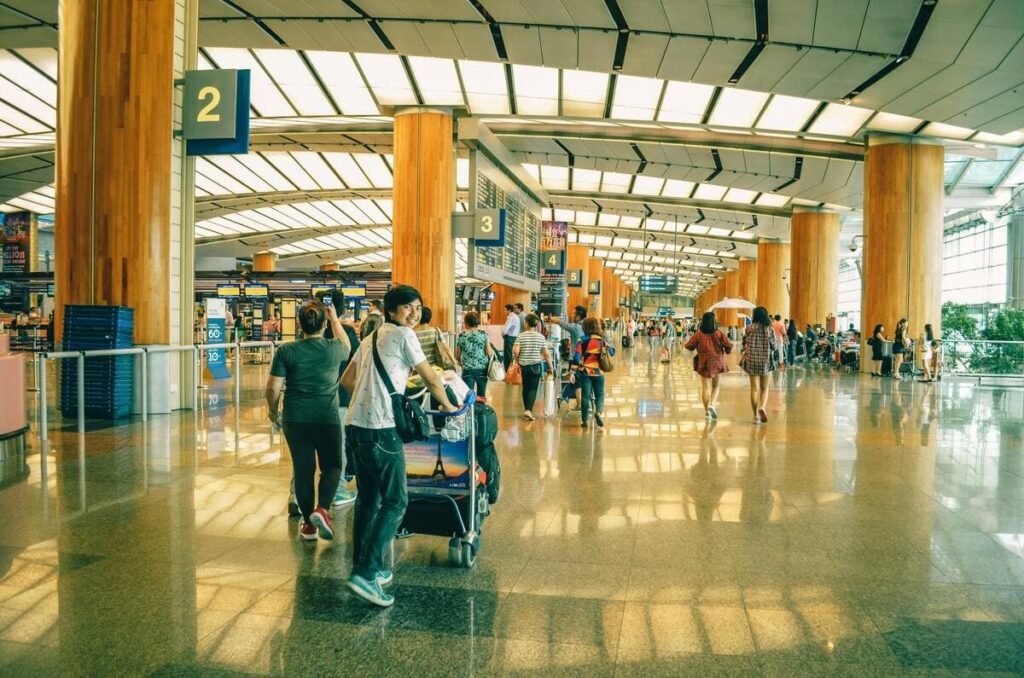
Airports have become destinations in their own right. Lounges, shopping, restaurants, and massive terminals mean getting to the gate isn’t always quick even after security.
Distance inside the airport is now part of the travel equation.
The hidden buffer most travelers forget
Boarding rarely starts at departure time. It often begins 30–45 minutes earlier, and gates can close well before the scheduled takeoff. Airlines build these buffers to keep flights on schedule.
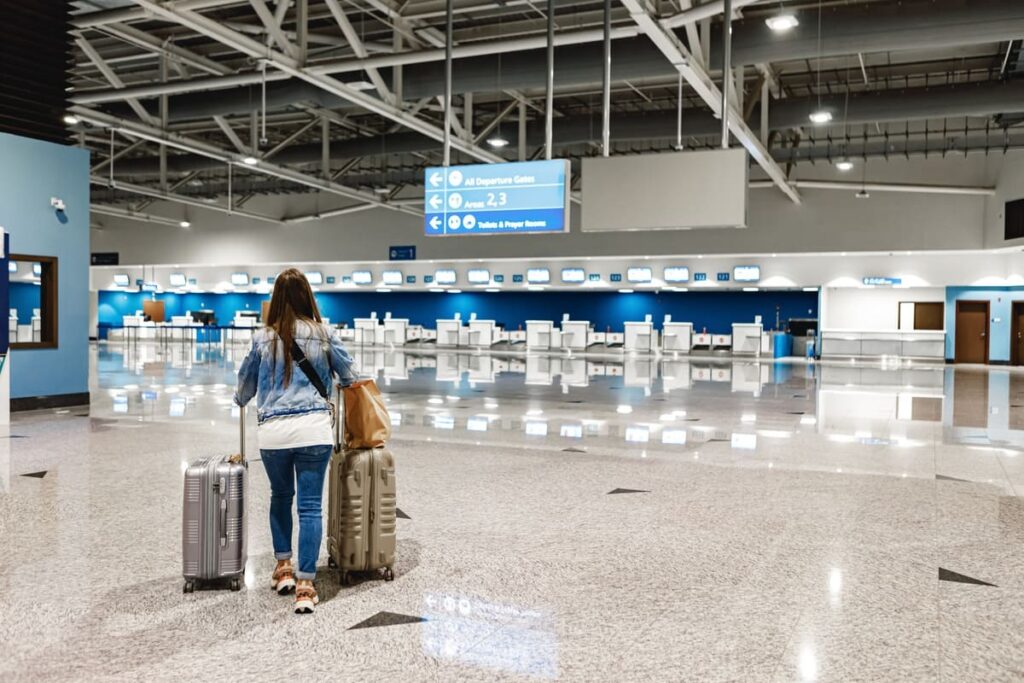
When people say they “arrived on time but missed the flight,” this is usually why. The clock passengers watch and the clock airlines operate by are slightly different.
Understanding that gap removes a lot of last-minute panic.
The stress factor is personal
Some travelers love arriving early. Coffee, a quiet seat near the window, time to settle into travel mode. Others prefer to minimize time at the airport and walk straight to the gate.
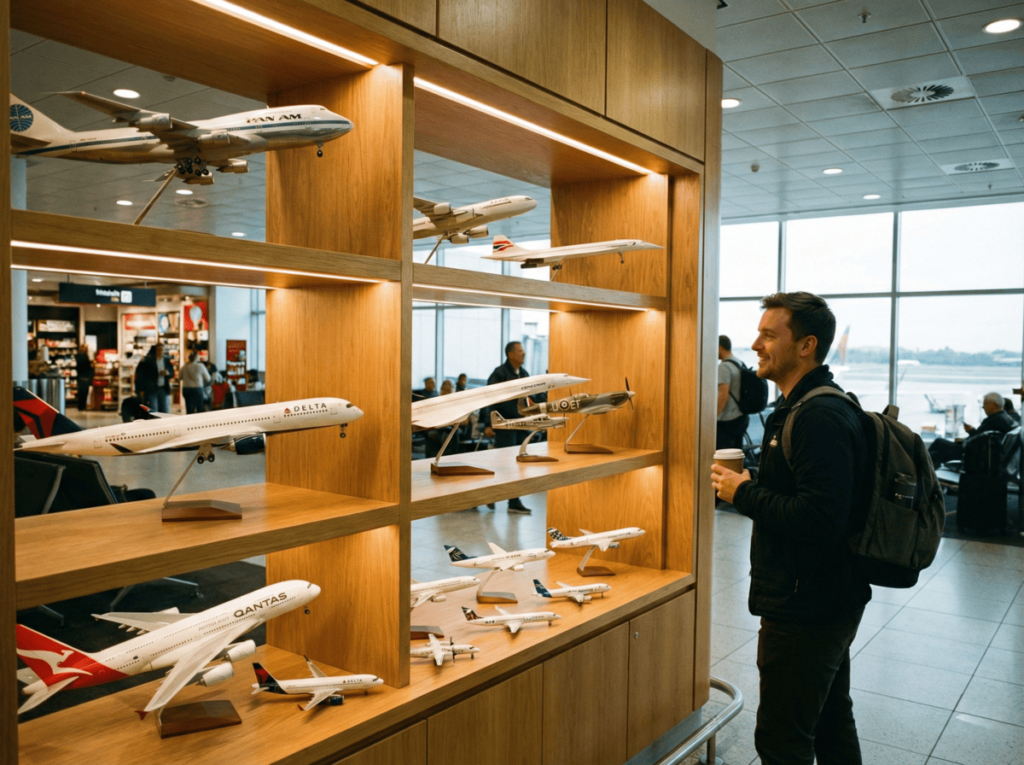
Both approaches can work, but stress tolerance plays a role. Arriving earlier doesn’t just buy time. It buys calm. And that has real value when travel plans matter. For many aviation enthusiasts, those extra minutes often turn into time spent watching aircraft movements or browsing airport shops — sometimes even admiring a detailed model plane display that brings back the simple excitement of flight.
So what’s the realistic answer?
In 2026, a practical rule looks like this:
Domestic flights: about 90 minutes to 2 hours. International flights: about 2.5 to 3 hours.
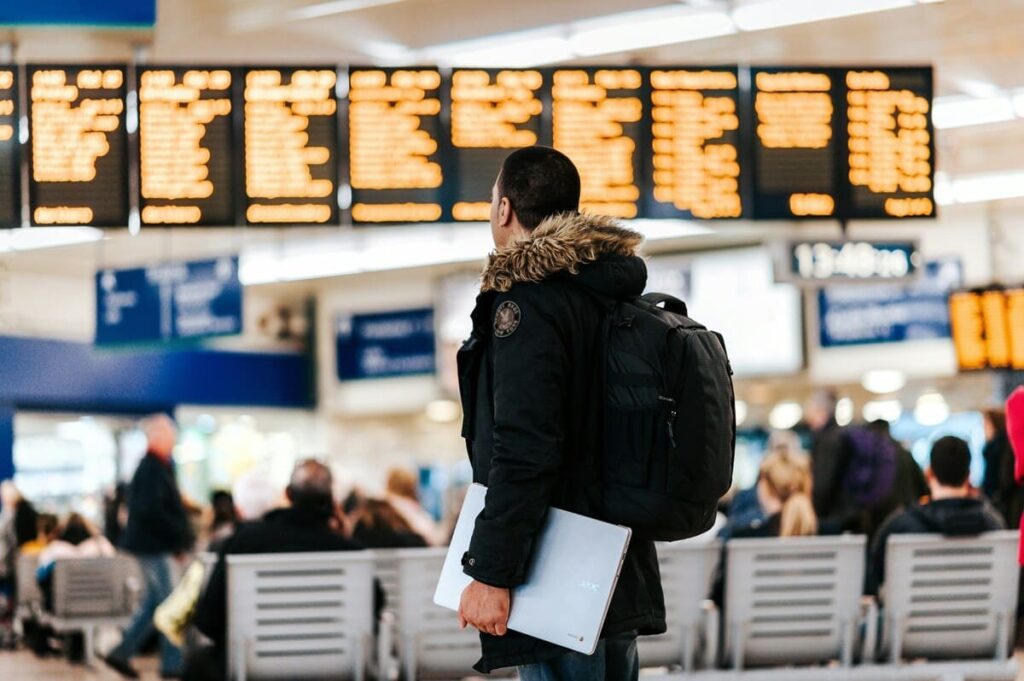
Not because airports are inefficient. Because air travel still involves variables you can’t control.
Weather. Traffic. Security lines. Gate changes. Terminal distances.
Air travel has become smoother, faster, and more digital. But the smartest travelers still give themselves breathing room.
Not because they have to. Because it makes the journey start better.