Every few years, a headline sends the same two words around the world: black box. For most of us, those words arrive with a lump in the throat. They belong to the hardest days in aviation, when families wait for answers and the whole industry stops to listen. Yet most passengers have never really thought about what a black box is, where it sits on the plane, or why it exists at all. This guide explains it simply, with the reassuring truth at its heart: these devices are there to make flying safer for everyone who comes after.
What a Black Box Actually Is
The name is a little misleading. A black box is not black, and it is not really one box. Every large passenger aircraft carries two protected recorders: a flight data recorder and a cockpit voice recorder. Both are built to survive events that would destroy almost anything else, so that investigators can understand what happened if something ever goes wrong.
Think of them as the aircraft’s memory. The plane is constantly noticing things about itself, and these units quietly write it all down, flight after flight, without anyone on board needing to press a button.
Why Is It Called a Black Box?
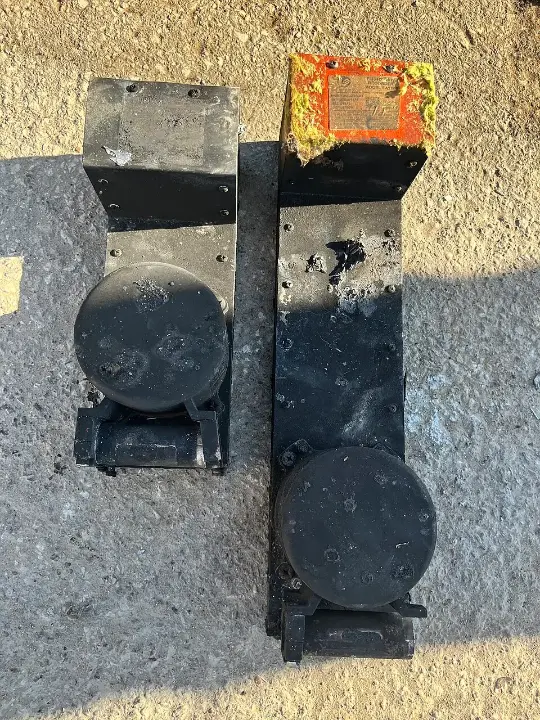
Nobody is completely sure where the nickname began, and several stories exist. What is clear is that the real devices are painted bright orange and often covered with reflective tape. That is deliberate: in a field, a forest or the sea, a vivid colour is far easier to spot than a dark one.
The Two Recorders and What They Capture
The Flight Data Recorder
The flight data recorder keeps a log of how the aircraft behaved: things like altitude, speed, engine performance and the path the plane followed through the sky. One widely quoted source says US rules require at least 88 parameters to be captured, while modern aircraft often record far more. In plain terms, it can show what the aircraft was doing second by second, which is often the clearest way to reconstruct a flight.
The Cockpit Voice Recorder
The cockpit voice recorder listens. It picks up radio calls and the sounds in the cockpit through microphones, which helps investigators understand what the crew heard, said and were dealing with at the time. It does not record the passenger cabin in general, and it exists purely for safety investigations rather than for monitoring crews day to day.
Where Is It on the Plane, and How Tough Is It?
Both units are usually fitted in the tail section of the aircraft. The tail is often the part of a plane that best survives a serious impact, which gives the recorders the best chance of coming through intact. It is a quiet piece of design logic: put the most precious item where it is most likely to be protected.
The cases themselves are built from tough materials such as steel or titanium, with heat insulation around the memory inside. They are designed to cope with severe impact, fierce fire and long periods under water. If an aircraft ends up in the sea, the recorder also carries a locator beacon. According to published descriptions, this sends out an ultrasonic ping about once a second for up to roughly 30 days from its own battery, helping search teams track it down underwater.
Why Longer Recordings Matter: The 25-Hour Rule
Here is a genuine recent change worth knowing about. For many years, cockpit voice recorders kept only the most recent two hours of audio, recording over older sound as the flight went on. That can be a problem on a long journey, because the moments that matter might not be the final ones. If a recorder is not switched off after an incident, the useful audio can simply be overwritten.
In early 2026, the US Federal Aviation Administration published a final rule raising the minimum recording time for cockpit voice recorders from two hours to 25 hours. As described in the rule, it applies to newly manufactured aircraft rather than forcing a retrofit of the existing fleet, and the start dates depend on the size and type of aircraft. So the change will arrive gradually as new planes are delivered. Other regions have their own rules, so it is worth remembering this is one country’s update rather than a single global switch.
What This Means When You Fly
As a passenger, you will never see or touch any of this. And that is the point. The recorders do their job silently in the background, a bit like a seatbelt you hope never to rely on. Their real value is what they teach: every investigation that uses their data can lead to better training, better procedures and better design for all future flights.
That is a big reason flying is as safe as it is today. Aviation is unusual in how openly it studies its hardest moments. Lessons are written down, shared across airlines and countries, and fed back into the way planes are built and flown. A small orange box in the tail is one of the quiet heroes of that process.
Frequently Asked Questions
Is a black box really black?
No. The devices are painted bright orange so they are easier to find after an accident, and they usually carry reflective markings as well.
Do black boxes record the whole cabin?
No. The flight data recorder logs technical information about the aircraft, while the cockpit voice recorder captures radio calls and sounds in the cockpit. Neither is designed to record passenger conversations.
Can a black box survive a crash into the sea?
They are built to withstand impact, heat and submersion, and they carry a locator beacon to help searchers find them underwater. Recovery can still be difficult in deep or remote water, so the outcome depends on the circumstances.
Final Thoughts
The black box is one of aviation’s most humbling inventions. It exists because the industry decided that every accident should teach something, and that the people who come next deserve a safer journey. The next time you settle into your seat and the plane pushes back, spare a thought for that tough orange unit in the tail, quietly keeping watch. It is part of why you can look out of the window and simply enjoy the ride.