Some aircraft are remembered for what they carried. Concorde is remembered for how it made people feel. For a few decades, a small group of travellers could board a sleek, needle-nosed jet in London or Paris and step off in New York in about the time it takes to watch a long film. Today, the Concorde supersonic airliner lives on in museums and memories, and many aviation lovers still ask the same question: why did something so extraordinary stop flying?
A New Kind of Airline Journey
British Airways and Air France began scheduled supersonic passenger flights on 21 January 1976, according to Britannica and the Smithsonian’s Air & Space magazine. It was a bold step, because until then even the fastest passenger jets flew below the speed of sound.
Twice the Speed of Sound
Concorde cruised at about Mach 2, which is roughly twice the speed of sound and in the region of 1,350 miles per hour (sources differ slightly on the exact figure). On the busiest route, a London to New York crossing took around three to three and a half hours, compared with seven or eight hours on a conventional airliner. The fastest crossing on record is generally given as just under three hours.
Flying at the Edge of the Sky
Aviation-history accounts say Concorde flew at roughly 60,000 feet, far higher than normal jets, and some passengers described being able to see the gentle curve of the Earth. That figure comes from enthusiast sources rather than an official one, so treat it as approximate. What nobody disputes is that the whole experience felt different from any other flight.
What Was It Like on Board?
You might expect a flying palace, but the cabin was surprisingly snug. Concorde carried only about 100 passengers, compared with close to 400 on a Boeing 747, and the seats and windows were small. The comfort came from the service: fine china, silver cutlery and chilled champagne were part of the ritual. Tickets were priced for the well-off, with a return fare averaging around $12,000 in the 1970s.
The Drooping Nose
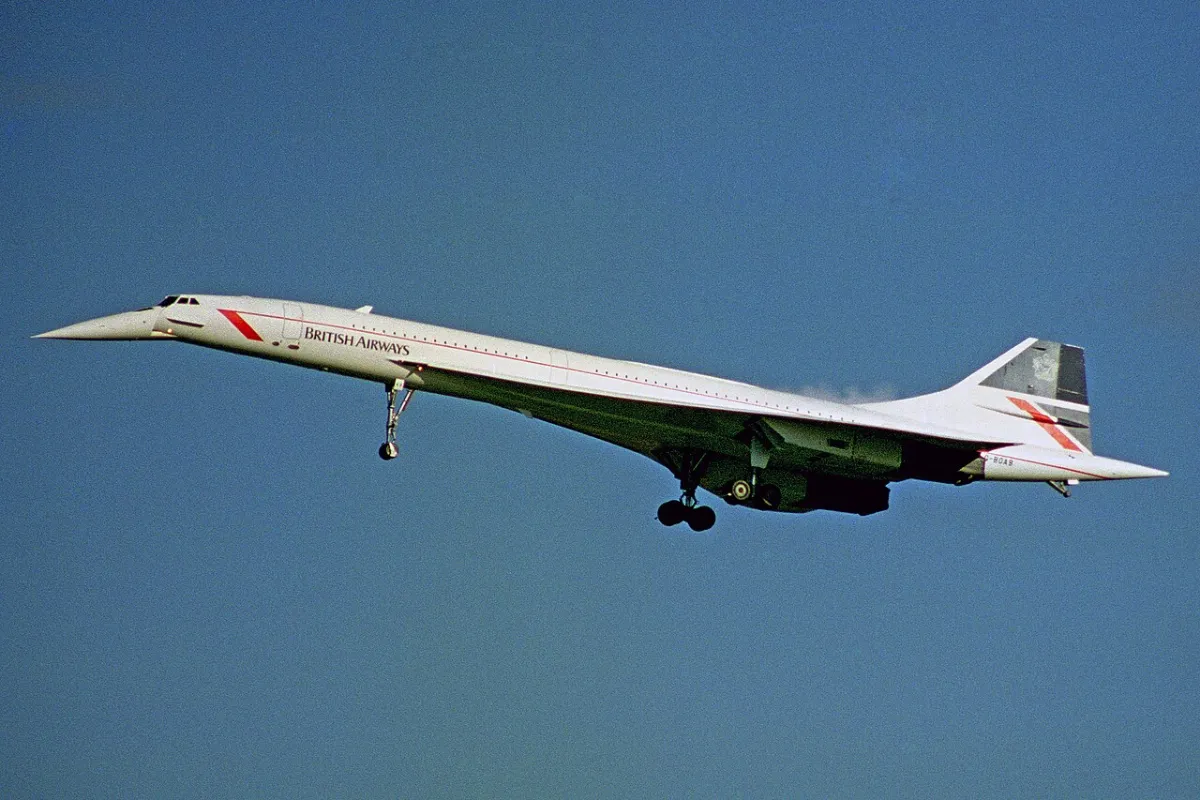
One of Concorde’s most charming features was its nose. It could tilt downwards by up to about 12.5 degrees during taxi, take-off and landing so the pilots could see the runway, then raise again for fast flight. Plane spotters still point to it as the thing that made the aircraft instantly recognisable.
A Small, Special Fleet
Only 14 Concordes ever entered scheduled passenger service, split between the two airlines. Some sources count about 20 built in total once prototypes and test aircraft are included. That rarity is part of why seeing one today in a museum feels like meeting a celebrity.
Why Concorde Stopped Flying
There was no single reason. Several pressures built up over the years, and together they made the aircraft hard to keep in the air.
Costs and Noise
Concorde was expensive to run and burned a great deal of fuel, which kept fares high and the passenger pool small. Its noise also limited where it could fly, and routes were gradually cut until New York was the only regular destination, as Britannica explains.
The 2000 Accident
On 25 July 2000, an Air France Concorde crashed shortly after take-off from Paris. A burst tyre is reported to have ruptured a fuel tank and started a fire, and 109 people on board and four on the ground lost their lives. The fleet was grounded and later modified with improvements including fuel-tank liners and stronger tyres. Passenger flights resumed on 7 November 2001.
The End of the Service
Both airlines announced the retirement in April 2003. Air France made its last scheduled flight on 30 May 2003, and British Airways flew its last fare-paying service on 24 October 2003. Many observers see the 2000 accident as having hastened the end rather than being the only cause, since high costs and falling demand were already weighing on the programme.
Will Supersonic Passenger Flights Return?
The dream has not gone away. According to the company, the Boom Supersonic XB-1 demonstrator flew faster than sound on 28 January 2025, the first independently developed civil jet to do so. Boom’s larger Overture airliner is described as being in development, but I could not find a confirmed date for passenger service, so it is wise to treat any timeline with caution.
If you love aircraft history, a good way to keep the spirit of Concorde close is through collecting and display. Brands such as Modelworks Direct cater to people who like to keep a piece of aviation history on the shelf, which is a lovely way to remember an aircraft that so many people never got to fly on.
Frequently Asked Questions
How fast did Concorde fly?
About twice the speed of sound, roughly 1,350 miles per hour according to Britannica and Air & Space, although their figures differ slightly.
When did Concorde stop flying?
Air France ended its Concorde service on 30 May 2003, and British Airways flew its last fare-paying flight on 24 October 2003.
Can I see a Concorde today?
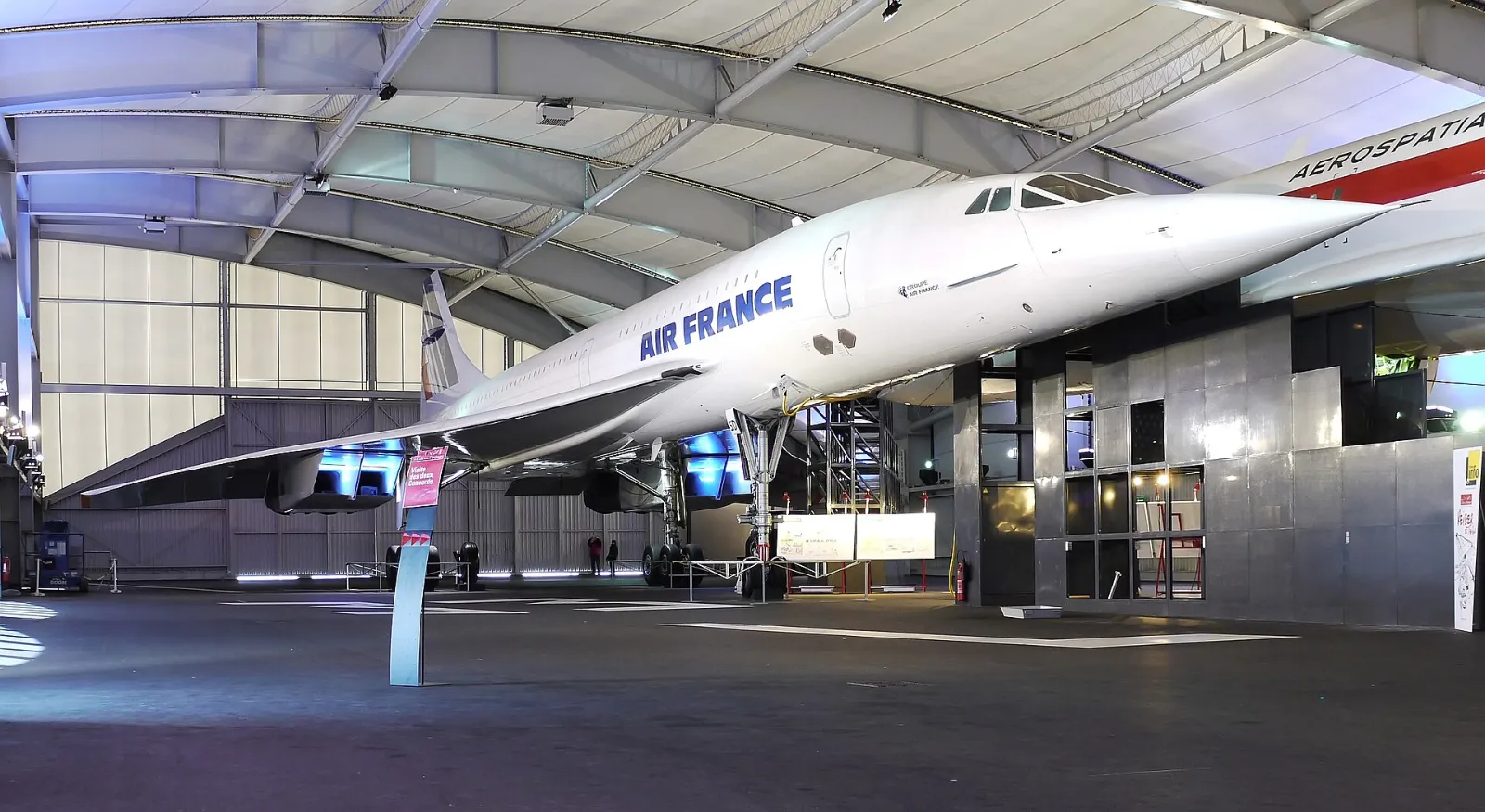
Yes. Several Concordes are preserved in museums, including one in Air France colours at the museum at Le Bourget near Paris, shown in the photo above.
Final Thoughts
Concorde was never just a quick way to cross the Atlantic. It was proof that people could dream of travel differently, and it left an emotional mark on everyone who saw it streak across the sky or climbed aboard. Whether or not a new supersonic airliner arrives in our lifetime, this elegant jet remains one of the most loved aircraft in history, and its story is well worth sharing with the next generation of aviation fans.