
Some aircraft are simply machines. The Boeing 747 is something closer to a character. Ask people who flew on one and they rarely talk about seat pitch or fuel burn. They talk about the first time they spotted that rounded hump on the tarmac, the feeling of climbing the spiral stairs, or the sense that this plane made the whole world feel a little smaller.
Today, with the last one built and handed over, the jumbo is moving from everyday travel into aviation legend. Here is why so many passengers still feel a pull toward the Queen of the Skies.
A Giant Takes to the Sky
The 747 first flew in 1969 and entered passenger service in 1970 on Pan Am’s New York to London route. At the time, nothing in the sky looked like it. It was far larger than the jets that came before, and it carried a promise: flying could become something ordinary families, not only business travellers and the wealthy, might do.
Why the hump?
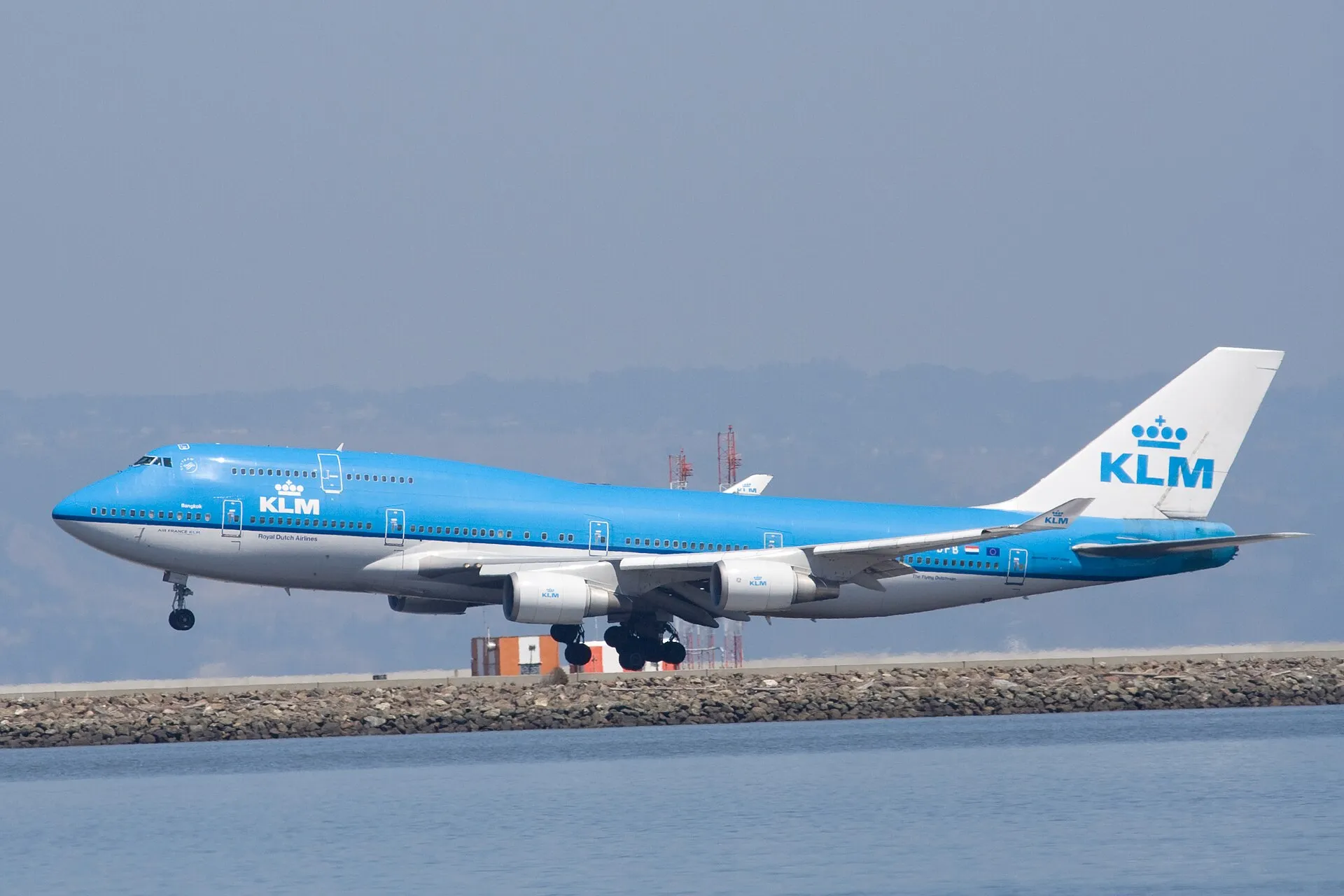
The most recognisable feature of the plane is its upper deck, a second level that runs back from the cockpit over the front part of the fuselage. It gave the aircraft its famous silhouette and the affectionate nickname “the Whale.” Aviation writers often explain that the raised cockpit was also meant to make it easier to convert the aircraft to carry freight, so a nose that opened up could be used later. Whatever the full engineering story, the shape became an icon.
What It Felt Like to Fly One
Passengers who flew the early jumbos often describe the cabin as a kind of flying town. With room for nearly 500 people in some versions, it was the largest passenger jet most travellers had ever seen. Airlines used the extra space creatively, and the upper deck became a favourite spot, quieter and more intimate than the main cabin below.
The upper deck experience
Many travellers remember the upper deck as the place to be. Some airlines turned it into a lounge in the early days, while others used it for premium seats. Climbing a staircase to your seat on an aeroplane felt like boarding a small ship, and that sense of occasion is a big part of why people remember it fondly.
A window seat on history
The 747 also carried families across oceans for reunions, brought workers home, and helped airlines open routes that had once seemed too far or too costly. For many people, a long-haul flight on a jumbo is tied to a personal story, a move to a new country, a first trip abroad, or a long-awaited homecoming.
A Long Career and a Final Delivery
Production stretched across 54 years. On 31 January 2023, Boeing delivered the final 747, which went to cargo carrier Atlas Air. It was the 1,574th jumbo built in the Puget Sound region of Washington State, closing one of the longest production runs in commercial aviation.
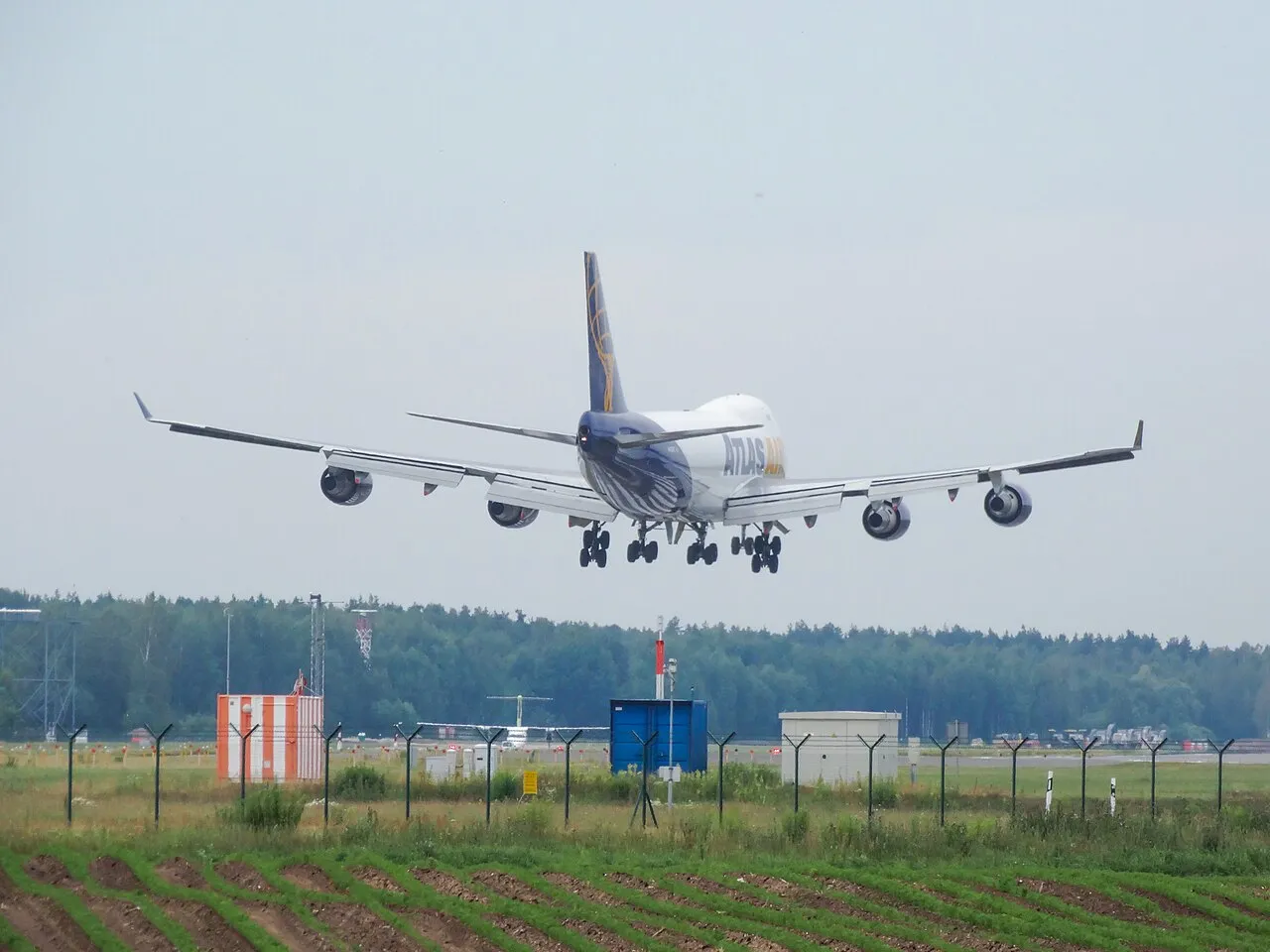
That last delivery tells its own story. Even as passenger airlines have moved toward twin-engine aircraft, the 747 has remained a workhorse in the cargo world, carrying everything from parcels to machinery. If you want to admire how detailed these giants can look in miniature, Modelworks Direct is a nice place to browse for aviation collectors.
Can You Still Fly on a 747?
Passenger services on the jumbo have become rare, because many airlines have retired theirs in favour of newer, more efficient twin-engine jets. A small number of carriers have continued to operate the type, but schedules change often. If you hope to fly one, check your airline’s current fleet and your specific flight’s aircraft before you book, and treat any plan as subject to change.
Tips for spotting a jumbo
At the airport, look for the long raised hump near the front, four engines slung under the wings, and a very wide, long body. Watching one take off or land is a treat even for casual travellers, so keep an eye out near the runway or from the terminal windows.
Frequently Asked Questions
When did the Boeing 747 first fly?
The aircraft made its first flight in 1969 and entered passenger service in 1970 with Pan Am.
Why is it called the Queen of the Skies?
The nickname reflects its size, its elegant look and the affection passengers and crews have had for it for decades. It is also known as the Jumbo Jet and the Whale.
Is the 747 still being built?
No. Boeing delivered the final 747 to Atlas Air on 31 January 2023, ending more than five decades of production.
Final Thoughts
The Boeing 747 changed how people think about distance. It made the world feel reachable, gave travellers a sense of occasion, and left behind memories that no spec sheet can capture. Even as it fades from passenger schedules, its silhouette remains one of the most beloved in aviation, and for many of us, the sight of that hump on the horizon will always feel like an invitation to travel.