
Airports can feel overwhelming even to seasoned flyers. Long queues, confusing signage, and tight connection windows often turn a simple trip into a stressful ordeal. This is where airport travel assistance becomes a genuine lifesaver. It refers to the range of services designed to help passengers move through terminals smoothly, whether that means guidance through security, wheelchair support, or help with baggage handling. For families traveling with young children, elderly parents, or passengers with reduced mobility, this kind of support transforms a chaotic experience into a manageable one. Airlines, airport authorities, and private companies now offer structured programs so that no traveler feels lost or unsupported. As global air travel volumes continue to climb, the demand for reliable, dignified, and efficient assistance has never been higher, making this service an essential part of modern journeys.
Who Actually Needs This Kind of Support
Many people assume that airport travel assistance is only meant for passengers with visible disabilities, but the reality is far broader. Business travelers rushing between back-to-back flights, first-time flyers unfamiliar with international terminals, and pregnant women needing extra care all benefit from these services. Even seasoned travelers occasionally find themselves in unfamiliar airports where language barriers or confusing layouts slow them down. Consider a working professional who lands in a foreign country with only forty minutes to catch a connecting flight. Without guided support, that connection could easily be missed. Airport travel assistance bridges this gap by offering staff who know the terminal inside out, ensuring passengers reach their gates without unnecessary panic. It’s a service built around real human needs, not just medical requirements.
Core Services Offered Under Airport Assistance Programs
Most airports and airlines structure their assistance offerings around a few key touchpoints in the travel journey. These typically include:
- Wheelchair assistance from the terminal entrance to the boarding gate
- Priority check-in and expedited security screening
- Escort services for unaccompanied minors
- Language interpretation support for international travelers
- Baggage handling and porter services
- Assistance navigating connecting flights within tight layover windows
Each of these services is designed to reduce friction at a specific stage of the journey. For instance, priority check-in saves valuable time for travelers with medical conditions who cannot stand in long queues, while escort services give parents peace of mind when children fly alone. Together, these offerings create a safety net that many travelers don’t realize exists until they actually need it.
How to Request Assistance Before Your Flight
Booking this kind of support is usually simpler than people expect, though timing matters. Most airlines recommend requesting airport travel assistance at least 48 hours before departure, either during the ticket booking process or by contacting customer service directly afterward. Some airports also allow travelers to arrange support through dedicated assistance desks or mobile apps that coordinate directly with ground staff. It helps to be specific about the type of support needed, whether it’s a wheelchair, a buggy ride across a large terminal, or help with hearing or visual impairments. Airlines often ask for details such as mobility equipment size if a passenger travels with a personal wheelchair, since this affects boarding logistics. Being proactive rather than requesting help at the last minute significantly improves the quality and availability of service on the day of travel.
Comparing Assistance Options Across Travel Stages
| Travel Stage | Type of Assistance Available | Who Typically Uses It |
|---|---|---|
| Check-in | Priority counters, document help | Elderly travelers, families |
| Security screening | Expedited lanes, mobility support | Disabled passengers, medical cases |
| Terminal navigation | Wheelchair escorts, buggy rides | Reduced mobility travelers |
| Boarding | Early boarding, gate assistance | Passengers needing extra time |
| Connecting flights | Guided transfers, language help | International travelers |
| Arrival | Baggage assistance, exit guidance | Solo travelers, seniors |
This structured breakdown shows how support isn’t limited to one moment in the journey. Instead, it spans the entire travel experience, adapting to whatever challenge a passenger might face along the way.
The Role of Technology in Modern Airport Support
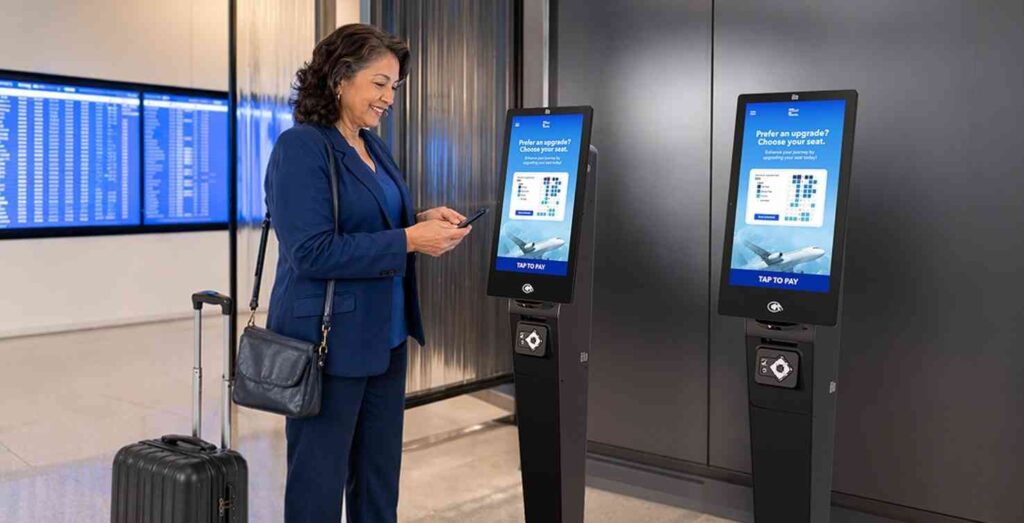
Technology has reshaped how airport travel assistance is delivered. Many airports now use mobile applications that let travelers track their assistance request in real time, similar to tracking a ride-share vehicle. Some terminals have introduced digital kiosks where passengers can request a wheelchair or escort without needing to speak to a staff member directly, which is particularly helpful for those who feel anxious about verbal communication. Sensor-based navigation systems are also being tested in a few major hubs, guiding visually impaired travelers through terminals using audio cues. These innovations don’t replace human staff but work alongside them, creating a more responsive system overall. As airports continue investing in smart infrastructure, the future of assistance services looks increasingly personalized, reducing wait times and improving the overall passenger experience across the board.
Common Challenges Travelers Face Without Proper Support
Skipping or overlooking airport travel assistance can lead to avoidable stress. Passengers unfamiliar with a terminal’s layout often lose precious time simply trying to locate their gate, especially in sprawling international hubs with multiple levels and terminals. Elderly travelers without mobility support may struggle physically, sometimes missing flights due to slow movement through long corridors. Language barriers compound these issues further, as signage isn’t always available in every language, leaving travelers confused during security checks or immigration processes. There’s also the emotional toll to consider; anxiety builds quickly when a passenger feels lost in an unfamiliar environment with a ticking clock. These challenges highlight why proactive planning matters so much. A little preparation, paired with the right assistance request, prevents most of these situations from turning into genuine crises during travel.
Tips for Making the Most of Airport Assistance Services
Getting the full benefit of these services requires a bit of planning on the traveler’s part. Here are some practical suggestions:
- Confirm your assistance request with the airline 24 hours before departure
- Arrive at the airport earlier than usual, even with assistance booked
- Carry any medical documentation if requesting support for a health condition
- Keep contact details of the assistance desk handy in case plans change
- Communicate specific needs clearly, such as mobility limitations or hearing difficulties
Following these small steps ensures that airport travel assistance functions as intended, without last-minute confusion. Airports operate on tight schedules, and staff can serve travelers far better when they have accurate information in advance rather than trying to assess needs on the spot.
Assistance for Families and Unaccompanied Minors
Traveling with children introduces its own set of complications, and airport travel assistance programs often include specific provisions for families. Parents juggling strollers, car seats, and multiple bags benefit from priority boarding and dedicated family lanes at security checkpoints. For children flying alone, airlines assign trained staff who accompany them from check-in all the way to their destination gate, handing them off directly to a parent or guardian on arrival. This service gives parents confidence that their child is never truly unsupervised during the journey. Some airlines even provide identification badges or wristbands for unaccompanied minors, making it easier for staff to recognize and assist them throughout the terminal. These thoughtful touches show how assistance programs go beyond basic logistics to address genuine emotional concerns for traveling families.
International Considerations and Cultural Sensitivity
When flying internationally, airport travel assistance takes on added complexity due to differing regulations, languages, and cultural expectations across countries. A service that works smoothly in one country might operate quite differently elsewhere, so it helps to research the specific airport’s assistance policies before departure. Some international hubs offer multilingual staff specifically trained to help travelers from diverse backgrounds, while others may have more limited language support. Cultural sensitivity also plays a role, particularly for travelers wearing religious attire or those with specific dietary or prayer-related needs during long layovers. Reputable airports increasingly train their assistance staff to recognize and respect these differences, creating a more welcoming environment for global travelers. Understanding these nuances beforehand helps set realistic expectations and reduces potential frustration during international connections.
Final Thoughts on Traveling with Confidence
Ultimately, airport travel assistance exists to make flying accessible and less intimidating for everyone, regardless of age, ability, or travel experience. From the moment a passenger checks in to the final steps toward baggage claim, these services quietly work in the background to remove obstacles that might otherwise turn a journey into an ordeal. Whether it’s a wheelchair escort, a helping hand through security, or guidance to a connecting gate, this support reflects a broader shift toward more compassionate, traveler-centered airport design. As more airports adopt smarter technology and better-trained staff, the overall quality of assistance will likely keep improving. For any traveler unsure about how to navigate a busy terminal, reaching out in advance and requesting proper support can make all the difference between a stressful trip and a genuinely smooth one..