
Airport terminal facilities form the backbone of the travel experience, shaping how passengers move from arrival to departure. These facilities include everything from check-in counters to boarding gates, and they are designed to handle large volumes of travelers efficiently. A well-planned terminal reduces congestion, improves safety, and enhances overall comfort for passengers of all ages. Modern airport terminal facilities are built with flexibility in mind, allowing for expansion as passenger numbers grow over the years. They also incorporate signage systems, information desks, and digital displays that help travelers navigate complex layouts. Whether someone is flying domestically or internationally, the quality of these facilities often determines how smooth or stressful the journey feels. As air travel continues to expand globally, the demand for well-designed terminal spaces keeps increasing steadily.
Passenger Check-In and Baggage Services
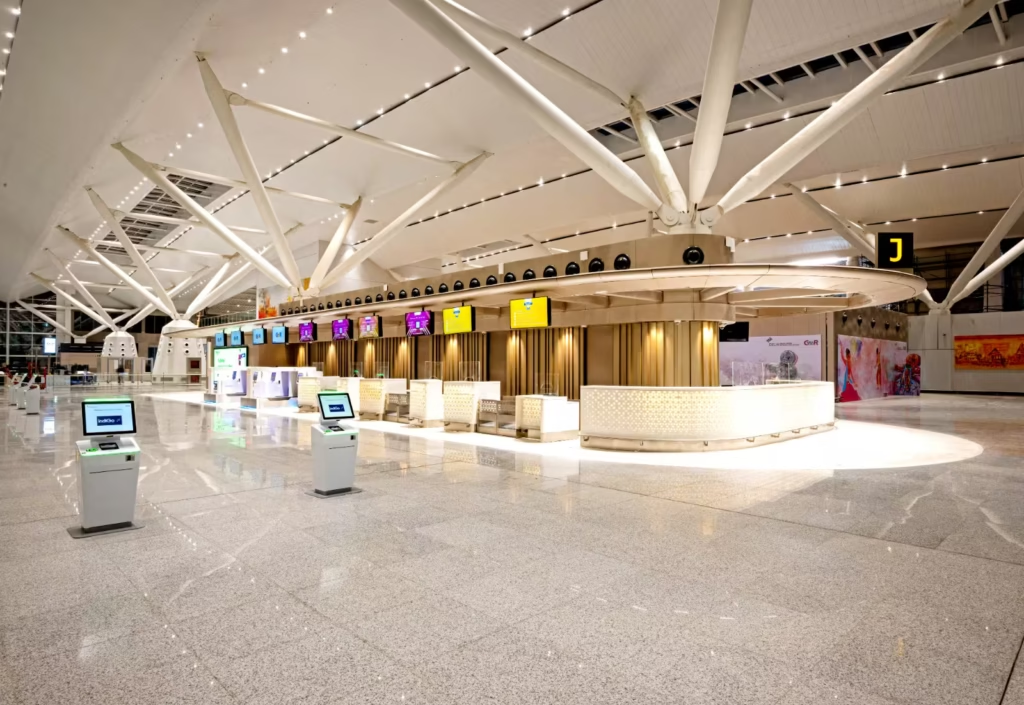
Check-in counters are among the first points of contact within any terminal, and they set the tone for the rest of the journey. Many airports now offer self-service kiosks alongside traditional counters, reducing waiting times significantly. Baggage drop areas are strategically placed near check-in zones to streamline the process for travelers carrying luggage. Automated baggage handling systems sort and transport suitcases to the correct aircraft, minimizing delays and errors. On arrival, baggage claim areas are designed to be spacious, with multiple carousels operating simultaneously during peak hours. These systems rely heavily on technology to track each item accurately from drop-off to pickup. Efficient baggage handling remains a critical measure of how well a terminal serves its passengers throughout their travel experience.
Security Screening Areas
Security checkpoints are a mandatory part of every terminal, ensuring the safety of passengers and staff alike. These areas are equipped with scanners, metal detectors, and trained personnel who monitor the flow of people carefully. Many terminals have adopted advanced screening technology that speeds up the process while maintaining strict safety standards. Separate lanes are often provided for families, frequent flyers, and those needing additional assistance, helping to reduce bottlenecks. Clear signage guides travelers on what items to remove before screening, minimizing confusion and delays. Waiting times at security checkpoints can vary depending on the time of day and season, so airports continuously adjust staffing levels accordingly. A smooth security process contributes greatly to a stress-free start or end to any journey.
Lounges and Waiting Areas
Waiting areas near boarding gates are designed to accommodate travelers comfortably before their flights depart. Seating arrangements, charging stations, and quiet zones are common features found throughout these spaces. Premium lounges offer additional comfort, including private seating, refreshments, and workspaces for business travelers. These lounges are often located in less crowded sections of the terminal, providing a calmer environment away from the main concourse. Families traveling with children may find dedicated play areas that help keep young ones entertained during layovers or delays. Natural lighting and open layouts are increasingly used in newer terminal designs to create a relaxed atmosphere. Comfortable waiting areas play a significant role in reducing travel fatigue for passengers spending extended time at the airport.
Dining and Retail Options
Food courts and retail shops are integrated throughout most terminals, giving travelers plenty of choices during their wait. These spaces often feature a mix of quick-service outlets and sit-down restaurants catering to different tastes and schedules. Retail options range from bookstores to duty-free shops, allowing passengers to browse or shop before boarding. Placement of these facilities is carefully planned to avoid overcrowding near gates while still remaining accessible. Vending machines and grab-and-go counters serve travelers who are short on time between connecting flights. Many terminals also include seating areas near dining zones, encouraging passengers to relax while enjoying a meal. This blend of convenience and variety makes the terminal experience more enjoyable for people from all walks of life.
Connectivity and Technology Services
Free wireless internet has become a standard offering across most terminals, keeping travelers connected during their journey. Charging stations are placed near seating areas, gates, and lounges to accommodate the growing use of electronic devices. Digital information boards display real-time flight updates, helping passengers stay informed about gate changes or delays. Interactive maps and mobile applications further assist travelers in navigating large terminal complexes with ease. Self-service check-in kiosks and automated boarding gates reduce the need for manual processing, speeding up the overall flow. Some terminals have introduced facial recognition technology to simplify identity verification during boarding. These technological additions to airport terminal facilities continue to reshape how passengers interact with the spaces around them.
Accessibility Features
Accessibility is a key consideration in the design of every modern terminal, ensuring inclusivity for all travelers. Ramps, elevators, and wide walkways allow easy movement for passengers using wheelchairs or mobility aids. Dedicated assistance counters help travelers with disabilities navigate check-in, security, and boarding processes smoothly. Restrooms and seating areas are often designed with accessibility standards in mind, providing comfort for those with specific needs. Signage typically includes braille and audio cues to support travelers with visual impairments. Staff members are trained to offer guidance and support throughout the terminal, from arrival to departure. These accessibility features reflect a broader commitment to making air travel welcoming and comfortable for everyone, regardless of physical ability or age.
Transportation and Parking Facilities
Getting to and from the terminal is made easier through a range of transportation options available at most airports. Multi-level parking structures accommodate both short-term and long-term visitors, with clear signage directing drivers to available spaces. Shuttle services connect parking areas to terminal entrances, reducing the walking distance for passengers with luggage. Public transportation links, including buses and trains, are often integrated directly into terminal buildings for added convenience. Designated pick-up and drop-off zones help manage traffic flow during busy hours, preventing congestion near entrances. Some terminals also provide car rental counters within walking distance of arrival halls. These transportation and parking facilities work together to create a seamless transition between ground travel and air travel for every passenger.
Cleanliness and Maintenance Standards
Maintaining cleanliness across a terminal is an ongoing task that directly affects passenger comfort and health. Regular cleaning schedules are followed in high-traffic areas such as restrooms, seating zones, and dining spaces. Maintenance teams work around the clock to address wear and tear on escalators, elevators, and other mechanical systems. Waste management systems are strategically placed throughout terminals to encourage proper disposal and recycling habits. Hygiene stations, including hand sanitizing points, have become more common in recent years across various terminal zones. Attention to cleanliness also extends to air quality, with ventilation systems designed to keep indoor environments fresh. Well-maintained airport terminal facilities leave a lasting impression on travelers and contribute to a more pleasant overall experience.
Future Trends in Airport Terminal Facilities
The design and function of terminals continue to evolve as passenger expectations and technology advance together. Sustainable building practices are becoming more common, with energy-efficient lighting and eco-friendly materials used in construction. Biometric systems are expected to play a larger role in streamlining check-in, security, and boarding procedures. Smart terminals equipped with sensors can monitor crowd density and adjust services in real time to reduce congestion. Personalized travel experiences, powered by mobile apps, are likely to become more common in the coming years. Flexible spaces that can adapt to changing passenger volumes are also gaining popularity among planners. As these trends develop, airport terminal facilities will keep transforming to meet the needs of a growing and increasingly connected traveling public.