
Every time a traveler walks through a departure hall, they are experiencing a carefully engineered environment shaped by decades of design evolution. Airport terminal architecture is not simply about erecting a large building with gates and runways nearby; it is about orchestrating human movement, emotion, and efficiency within a single structure. Architects must balance security requirements, airline operations, retail spaces, and passenger comfort, all while keeping the building visually striking enough to represent a city or nation. The best terminals feel intuitive, guiding travelers effortlessly from curb to gate without confusion. This invisible choreography is the true achievement of airport terminal architecture, where thousands of decisions about lighting, signage, and spatial flow combine to create an experience that feels almost natural, even though nothing about it happens by accident.
Why Function Always Leads the Design Process
Unlike many other building types, airports demand that form follows function with almost mathematical precision. Airport terminal architecture must accommodate constantly shifting passenger volumes, luggage systems, security checkpoints, and aircraft docking procedures. A terminal that looks stunning but confuses passengers or slows down baggage handling ultimately fails its primary purpose. This is why architects work closely with aviation engineers, airline representatives, and government regulators long before a single wall goes up. Every corridor width, every escalator placement, and every check-in counter position is tested against projected passenger flow data. The goal is to minimize congestion during peak hours while still leaving room for future expansion. Successful airport terminal architecture treats efficiency as a creative constraint rather than a limitation, proving that logistics and beauty can coexist when planned with enough foresight and collaboration between disciplines.
The Evolution From Simple Sheds to Iconic Landmarks
Early airports were modest structures, little more than sheds beside a runway where passengers waited briefly before boarding small propeller planes. As commercial aviation expanded through the mid-twentieth century, terminals grew into architectural statements. Designers began experimenting with sweeping curves, dramatic rooflines, and expansive glass facades to symbolize the excitement of flight itself. This shift transformed airport terminal architecture from a purely utilitarian exercise into a form of national and civic expression. Cities began competing to build the most memorable gateway, understanding that a terminal often gives visitors their first and last impression of a destination. Today, many airports are recognized not just for their operational efficiency but for their sculptural qualities, becoming tourist attractions in their own right and inspiring further innovation across the global aviation industry.
Balancing Passenger Comfort With Operational Demands
Modern travelers expect more than a functional waiting area; they want comfort, natural light, and spaces that reduce the stress often associated with flying. Airport terminal architecture increasingly incorporates biophilic design elements such as indoor gardens, water features, and abundant daylight to calm anxious passengers. Comfortable seating areas, quiet zones, and clear wayfinding signage all contribute to a smoother emotional journey through the airport. At the same time, architects cannot ignore the operational backbone that keeps everything running, including baggage systems, security screening lanes, and staff service corridors hidden behind the scenes. Striking this balance requires careful zoning, where public-facing comfort spaces are layered above or alongside the mechanical and logistical infrastructure that passengers never see. When done well, this dual focus allows travelers to feel relaxed while the terminal continues operating like a finely tuned machine underneath.
Materials and Structural Innovation Shaping Modern Terminals
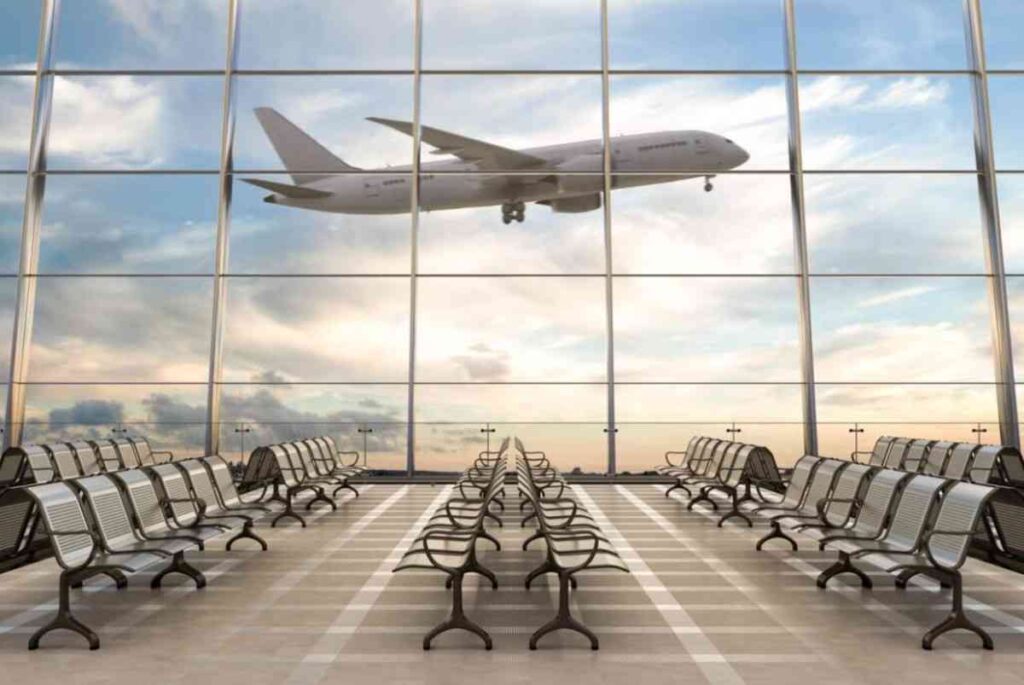
Advances in engineering have allowed architects to push structural boundaries in ways earlier generations could only imagine. Lightweight steel trusses, tensioned fabric roofs, and expansive glass curtain walls now define many contemporary terminals, creating vast column-free interiors that feel open and airy. These materials reduce the visual weight of the building while allowing natural light to flood check-in halls and departure lounges. Sustainable materials are also becoming central to airport terminal architecture, with designers choosing recycled steel, low-emission glass, and energy-efficient insulation to reduce environmental impact. Roof structures inspired by natural forms, such as bird wings or desert dunes, demonstrate how engineering and artistic vision can merge seamlessly. This structural innovation is not merely decorative; it directly improves passenger wayfinding by creating long sightlines that help travelers instinctively understand where to go without relying solely on signage.
Sustainability as a Defining Design Principle
Environmental responsibility has become one of the most influential forces shaping airport design today. Airport terminal architecture now routinely incorporates solar panels, rainwater harvesting systems, and advanced climate control technology to reduce a building’s carbon footprint. Architects are also rethinking material sourcing, favoring regional suppliers to cut transportation emissions during construction. Natural ventilation strategies, once considered impractical for such large structures, are being reintroduced through clever passive cooling designs that reduce reliance on mechanical air conditioning. Green roofs and living walls are appearing in newer terminals, offering both insulation benefits and improved air quality for passengers. This growing emphasis on sustainability reflects broader shifts in how societies view large infrastructure projects, recognizing that airports, despite their scale, can still contribute positively to environmental goals rather than simply consuming vast amounts of energy and resources without consideration for long-term impact.
Cultural Identity Expressed Through Terminal Design
Airports often serve as a nation’s architectural ambassador, and many countries use terminal design to showcase cultural heritage alongside technical achievement. Patterns inspired by traditional textiles, regional geometry, or local landscapes frequently appear in ceiling designs, flooring, and decorative screens throughout departure halls. This approach allows airport terminal architecture to communicate identity even before a visitor steps outside the building. Local artisans and artists are sometimes commissioned to contribute murals, sculptures, or mosaic work that reflects regional history and craftsmanship. Such details transform a purely functional space into an immersive cultural introduction, giving international travelers a meaningful first impression of the country they are entering. This blending of tradition and modern engineering demonstrates that airports need not feel sterile or generic, but can instead become powerful symbols of place, memory, and collective identity for the communities they serve.
Technology’s Growing Role in Terminal Planning
Digital innovation continues to reshape how architects approach terminal design, influencing everything from security screening to passenger navigation. Biometric check-in systems, automated baggage tracking, and interactive wayfinding kiosks are now integrated directly into the architectural planning process rather than added afterward. This shift means airport terminal architecture must accommodate flexible infrastructure capable of adapting to rapidly evolving technology without requiring constant structural renovation. Data analytics also play a growing role, allowing designers to simulate passenger flow patterns and identify potential bottlenecks before construction even begins. Smart lighting systems that adjust based on natural daylight, along with sensor-based climate control, further enhance efficiency while reducing operational costs. As technology continues advancing, architects must design spaces flexible enough to house future innovations, ensuring that terminals remain functional and relevant decades after their initial completion, rather than becoming quickly outdated.
Designing for Future Growth and Flexibility
One of the greatest challenges facing architects today involves designing terminals capable of expanding gracefully as passenger numbers increase. Airport terminal architecture must anticipate growth patterns that may unfold over thirty or fifty years, requiring modular designs that can be extended without disrupting daily operations. Many airports now use phased construction plans, building initial structures with clear expansion points already integrated into the original design. This foresight prevents the need for disruptive demolition or awkward add-ons that often plague older facilities struggling to keep pace with rising demand. Flexible terminal layouts also allow for changing airline requirements, shifting security protocols, and evolving passenger expectations. By treating expansion as a core design principle rather than an afterthought, architects ensure that terminals remain efficient and visually cohesive even as they grow far beyond their original footprint over successive decades of continuous operation.
Conclusion
Airport terminal architecture represents one of the most demanding yet rewarding challenges in modern design, requiring architects to merge engineering precision with artistic vision and cultural sensitivity. From managing complex passenger flows to embracing sustainable materials and cutting-edge technology, every decision shapes how millions of travelers experience a space that often serves as their first and last impression of a place. As cities continue investing in these gateways, the future of terminal design will likely lean further into flexibility, environmental responsibility, and cultural storytelling, ensuring airports remain not just functional hubs but meaningful architectural landmarks for generations of travelers to come.