
Every time a plane lands or takes off, a vast web of coordinated activity makes it possible. Airport operations cover everything from runway management and baggage handling to security screening and terminal maintenance. Passengers rarely see the layers of planning behind a smooth departure, but each gate assignment, fuel delivery, and crew rotation is the product of careful scheduling. The scale of these tasks grows with airport size, yet the underlying goal stays constant: move people and aircraft safely and efficiently. Without well-managed airport operations, even a single delayed flight can ripple through an entire network, affecting connections hundreds of miles away and costing airlines significant revenue.
The People Behind the Scenes
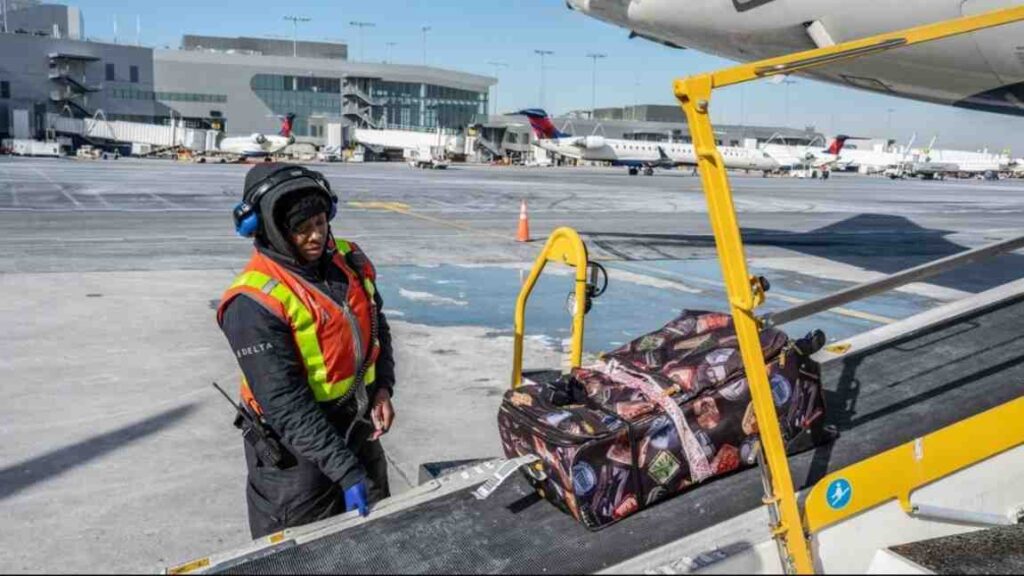
Airport operations rely on thousands of workers whose roles rarely make headlines. Ramp agents guide aircraft into position, air traffic controllers sequence takeoffs and landings, and dispatchers track weather patterns that could affect flight paths. Maintenance crews inspect runways for debris or cracks, while customer service staff manage rebookings when storms disrupt schedules. Each of these roles depends on constant communication through radios, digital dashboards, and control towers. A single miscommunication can cause delays that cascade across the terminal. That is why training programs for airport operations staff emphasize not just technical skill but also teamwork, since coordination between departments determines whether a busy travel day runs smoothly or descends into chaos.
Technology’s Growing Role in Efficiency
Modern airport operations increasingly depend on software platforms that predict congestion, track baggage in real time, and automate check-in processes. Artificial intelligence tools now forecast passenger flow through security lines, allowing staff to be redeployed before bottlenecks form. Radar and satellite tracking systems help air traffic controllers manage more flights within the same airspace without compromising safety margins. Biometric boarding gates speed up passenger processing, cutting down the time aircraft spend parked at gates. These innovations do not replace human judgment but support it, giving operations teams better data to make faster decisions. As airports handle rising passenger volumes each year, technology has become essential to keeping airport operations scalable without expanding physical infrastructure at the same pace.
Safety as the Foundation of Every Decision
No aspect of airport operations matters more than safety. Regulatory bodies require strict protocols for everything from de-icing procedures in winter to wildlife control near runways. Ground crews follow checklists before every aircraft pushback, and safety officers regularly inspect equipment such as jet bridges and fuel trucks. Emergency response teams train for scenarios ranging from medical incidents to fire hazards, ensuring rapid action when seconds count. Even minor lapses, such as an unsecured cargo container or a miscommunication between ground crew and pilots, can create serious risks. This is why airport operations teams build redundancy into their systems, with backup communication channels and cross-trained staff ready to step in if a primary system fails or an employee is unavailable during a shift.
Managing the Flow of Passengers
Passenger flow is one of the most visible aspects of airport operations, shaping how travelers experience their journey from curb to gate. Terminal design plays a major role, with wide corridors and clear signage reducing congestion during peak hours. Security checkpoints must balance thoroughness with speed, since long lines frustrate travelers and can cause missed flights. Airports also manage flow through timed boarding groups, priority lanes, and shuttle services connecting distant terminals. During holiday seasons or major weather events, operations teams often bring in additional staff and open extra lanes to handle surges. Behind these adjustments lies constant data analysis, tracking how quickly passengers move through each checkpoint so that staffing levels can be adjusted in near real time.
Coordinating with Airlines and Ground Handlers
Airports rarely operate in isolation. Airlines, fuel suppliers, catering companies, and ground handling firms all interact with airport operations teams multiple times a day. A single flight might involve coordination between a dozen different organizations, each with its own schedule and priorities. When one partner falls behind, such as a late catering delivery or a fueling delay, the entire gate turnaround can slip. Effective airport operations managers build strong working relationships with these external partners, often through shared digital platforms that display real-time updates on aircraft status. This collaborative approach reduces the guesswork involved in turnaround times and helps prevent minor delays from snowballing into missed departure slots that affect the day’s entire flight schedule.
Handling Weather and Unexpected Disruptions
Few challenges test airport operations like severe weather. Snowstorms, thunderstorms, and dense fog can ground flights for hours, creating backlogs that take days to clear. Operations teams monitor forecasts continuously, adjusting de-icing schedules, runway closures, and gate assignments as conditions change. Beyond weather, airports must also prepare for disruptions like power outages, security incidents, or technical failures in air traffic control systems. Contingency planning is central to this work, with backup generators, alternate communication networks, and mutual aid agreements with nearby airports helping maintain service continuity. The ability to adapt quickly separates well-run airport operations from those that struggle under pressure, since passengers and airlines both depend on fast, transparent updates during any disruption.
Balancing Efficiency with Passenger Experience
While speed and safety dominate discussions of airport operations, passenger comfort remains a quiet priority. Clean facilities, accessible seating, and clear wayfinding all contribute to a positive travel experience, even during delays. Airports increasingly invest in lounges, charging stations, and digital information boards to keep travelers informed and comfortable while waiting. Operations teams work closely with customer service departments to ensure that announcements are timely and accurate, reducing frustration during irregular operations. Some airports have introduced mobile apps that let passengers track wait times at security or find real-time gate changes. These tools reflect a broader shift in airport operations toward transparency, recognizing that informed travelers tend to remain calmer and more cooperative during unexpected delays.
Environmental and Sustainability Considerations
Sustainability has become a growing focus within airport operations as airports face pressure to reduce their environmental footprint. Ground support vehicles are increasingly electric, reducing emissions on the tarmac. Airports are also investing in solar panels, energy-efficient lighting, and improved waste management systems throughout terminals. Noise reduction procedures, such as adjusted flight paths during nighttime hours, help minimize the impact on surrounding communities. Water conservation efforts and recycling programs further extend sustainability goals beyond just fuel use. These initiatives require careful planning within operations teams, since environmental upgrades must not compromise safety or efficiency. As regulations around emissions tighten globally, airports that integrate sustainability into their operations planning are better positioned to meet future compliance requirements without disrupting service.
The Future of Airport Operations
Looking ahead, airport operations will likely become even more data-driven and automated. Predictive maintenance powered by sensors could flag equipment issues before they cause delays, while advanced scheduling algorithms may optimize gate assignments in real time based on live traffic data. Increased use of autonomous vehicles for baggage transport and remote-controlled tugs for aircraft movement could reduce the need for manual labor in repetitive tasks. Enhanced biometric systems may further speed passenger processing, cutting wait times across security and boarding. As air travel demand continues to grow worldwide, airports that invest early in these technologies will likely maintain smoother operations. The core mission, however, will remain unchanged: safely and efficiently moving people and aircraft through an increasingly complex global network.
Conclusion
Airport operations form the invisible backbone of air travel, weaving together human expertise, advanced technology, and strict safety standards into a single coordinated system. From the moment a passenger enters the terminal to the second a plane lifts off, countless decisions are made to keep everything running smoothly. As passenger numbers rise and technology continues to reshape the industry, the demands placed on operations teams will only grow. Airports that invest in training, infrastructure, and innovation will be best equipped to handle these challenges. Ultimately, the success of airport operations depends on collaboration across every department, ensuring that both safety and efficiency remain at the center of every flight that takes off and lands.