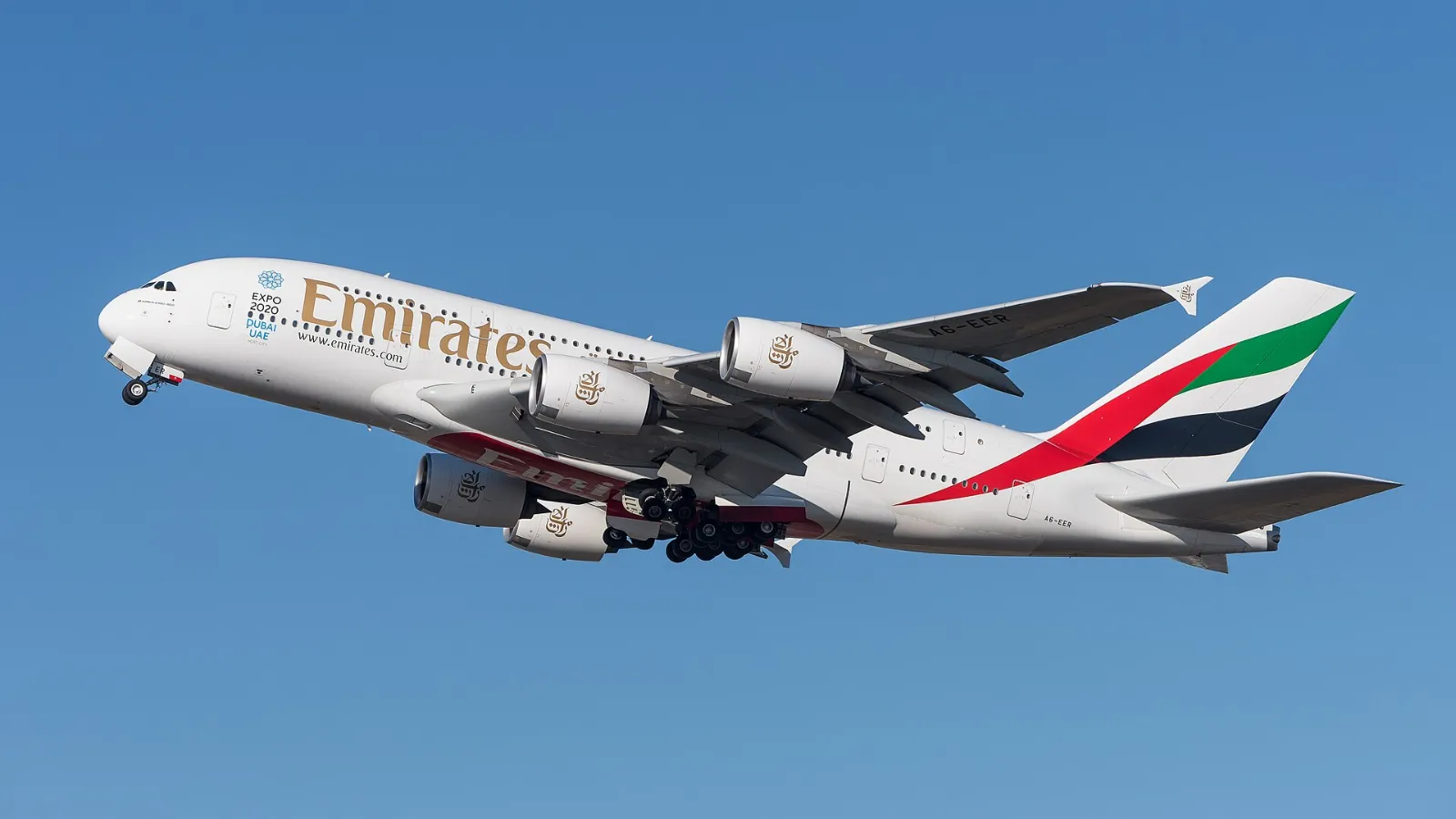
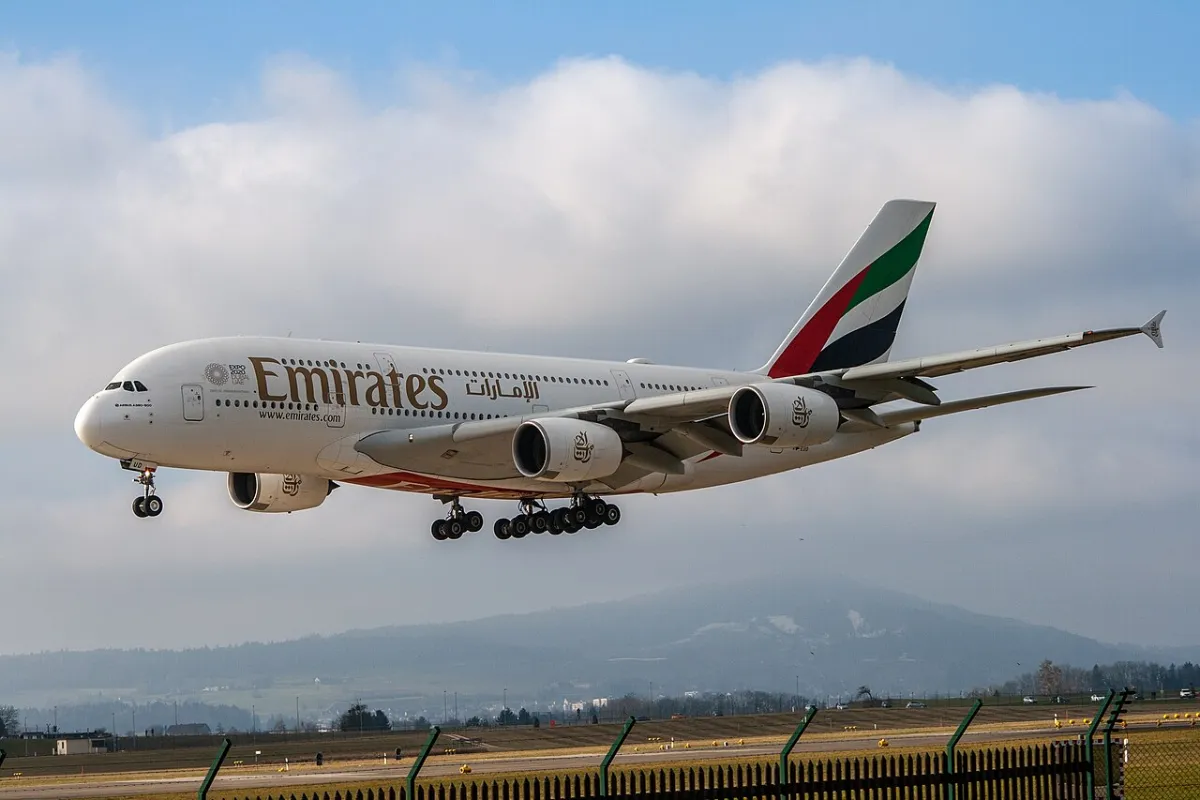
There is a particular moment at a big airport when a double-deck giant slides into view and conversations pause. Children press their faces to the glass. Grown adults reach for their phones. The Airbus A380 has that effect on people, and even though it is no longer built, it remains one of the most loved aircraft a passenger can step aboard.
This guide looks at what makes the A380 special, why Airbus stopped making it, and how to give yourself the best chance of flying on one while it is still in the sky.
A Quick Look at the World’s Biggest Passenger Jet
The A380 first flew on 27 April 2005 and entered airline service with Singapore Airlines on 25 October 2007, according to aviation reporting. It has four engines and two full-length passenger decks, which is what gives it that unmistakable, almost whale-like profile. Depending on how an airline arranges the cabin, it can carry anywhere from roughly 500 to well over 800 people, although most carriers choose far fewer seats so they can fit in bigger beds, lounges and spacious economy rows.
Why Passengers Love Flying on It
A Calmer, Quieter Cabin
Ask frequent flyers about the A380 and the same word keeps coming up: quiet. The cabin tends to feel hushed during cruise, and the aircraft’s sheer size means it often feels steady in conditions that would make a smaller jet fidget. If you are a nervous flyer, that smooth, unhurried feeling can make a real difference.
Room to Breathe
Because the cabin is so large, airlines have used it for touches that are rare elsewhere: onboard lounges, shower spas, wide staircases and generous overhead storage. Not every airline offers all of these, and some have changed their cabins over the years, so it is worth checking the current layout of your specific flight before you get your hopes up.
Windows That Feel Like Home
Many travellers also enjoy the larger-feeling cabin and the way the upper deck feels a little like a private, smaller aircraft sitting on top of a bigger one. For anyone who loves watching the world slip away beneath the wing, it is a wonderful place to be.
Why Airbus Stopped Building It
If the A380 is so beloved, why did production end? The honest answer is that the economics never quite worked. Airbus bet that airlines would fill enormous planes flying between a handful of major hubs. Instead, travel moved toward smaller, efficient twin-engine jets that could fly direct between more pairs of cities. Reports on the programme suggest Airbus needed around 400 sales to recover its investment, but only 251 aircraft were delivered between 2007 and 2021. The final one went to Emirates on 16 December 2021.
There is also a practical side. Four engines burn more fuel than two, and filling every seat on a giant aircraft is hard when travel demand rises and falls. For many airlines, a smaller plane that is nearly full beats a huge plane that is only half full.
Who Still Flies It in 2026
The good news for enthusiasts is that the superjumbo has enjoyed something of a second wind. Industry trackers indicate that roughly 190 A380s are still on airline books, spread across about ten carriers, with Emirates operating by far the largest share, well over half. Other airlines reported to be flying it include British Airways, Singapore Airlines, Qantas, Etihad, Lufthansa, Qatar Airways, Asiana, Korean Air and All Nippon Airways.
Fleet numbers shift as aircraft are parked, returned to service or retired, so treat any single count as a snapshot rather than a promise.
How to Increase Your Chances of Flying on One
Check the Aircraft Type Before You Book
Airline websites and booking tools usually list the aircraft type for each flight. Look for “A380” or “Airbus 380” in the flight details. Airlines can swap aircraft at short notice, so check again closer to departure.
Choose Routes Where It Is Common
Big hubs such as Dubai, London, Singapore and Sydney are the places most likely to see the A380. Emirates in particular uses it on many of its busiest routes, so a trip through its hub gives you a decent shot.
Pick Your Seat with Care
The upper deck is often quieter and more intimate, and some travellers prefer seats away from galleys and lavatories. Seat maps differ by airline, so a quick look at the layout before you choose can save you from a noisy surprise.
A Souvenir for Aviation Fans
For plenty of people, one flight is not enough and they want a piece of the A380 to keep on a shelf. Collectors who love display pieces of famous airliners often browse specialists such as Modelworks Direct to find something that captures the shape of their favourite jet.
Frequently Asked Questions
Is the A380 still being built?
No. Airbus delivered its last A380 in December 2021, and no new ones are being made. Existing aircraft continue to fly with several airlines.
Is the A380 safe?
Like other modern airliners, it operates under strict international safety rules and maintenance requirements. Millions of passengers have flown on it since 2007.
How can I tell if my flight uses an A380?
Check the aircraft type in your booking details or on the airline’s flight schedule, and look again a few days before you travel in case of changes.
Final Thoughts
The A380 may never be built again, but its charm is hard to forget. It reminds us that flying can still feel like an occasion, with a bit of wonder attached. If you get the chance to board one, take it, arrive early, and watch it taxi past before you step inside. Moments like that are the reason so many of us fell in love with aviation.