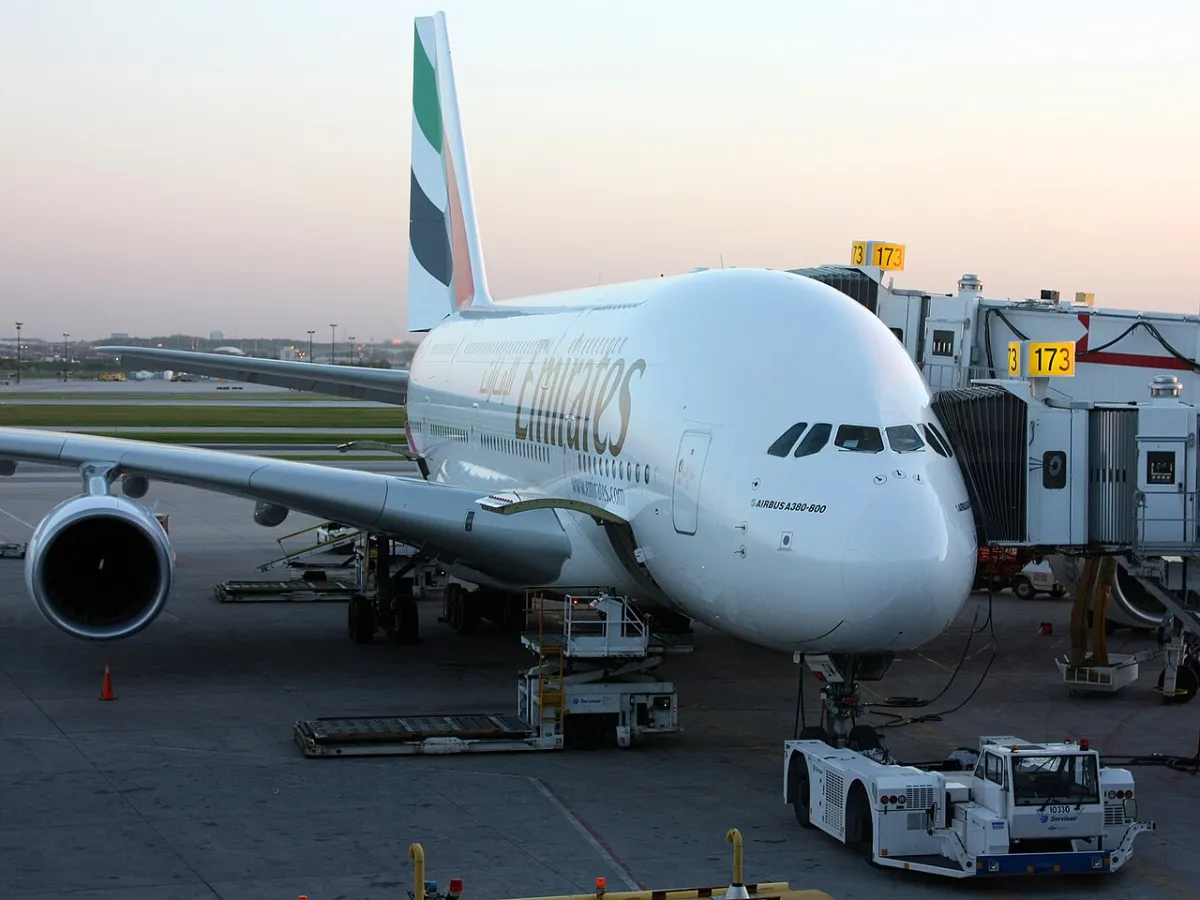
There is a moment on an Emirates flight that many passengers remember long after the trip is over. It is not the takeoff or the meal. It is the first time you step aboard the double-decker A380, look up the wide staircase, and realise you are about to cross half the planet on one of the biggest passenger aircraft ever built. For a lot of travellers, that is when flying stops feeling like transport and starts feeling like an occasion.
Emirates has spent four decades building that feeling. This guide walks through where the airline came from, what it flies, what the cabins are like, and what is changing in 2026, so you know what to expect before you book.
How Emirates Went From Two Leased Jets to a Global Name
Emirates is based in Dubai and operated its first flight on 25 October 1985, a service from Dubai to Karachi flown with aircraft wet-leased from Pakistan International Airlines. It was a modest start for an airline that would go on to become the largest in the Middle East.
The scale today is striking. Emirates carried 55.6 million passengers on 180,580 flights in 2025, and its network now links well over 140 destinations through its Dubai hub. For travellers between Europe, Asia, Africa and Australia, a stop in Dubai has become one of the most familiar connections in the world.
A Fleet Built Around Big Aircraft
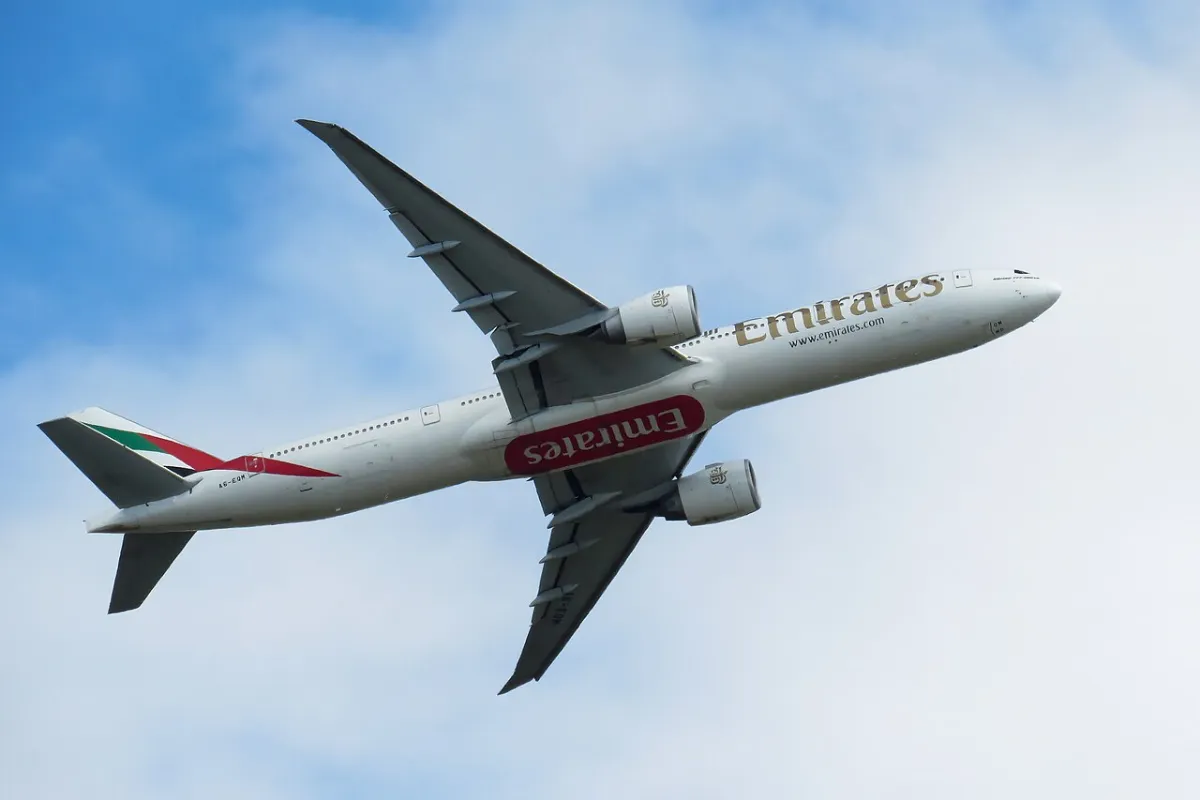
Emirates is one of the few airlines to run an all-wide-body fleet, and it is the largest operator of both the Airbus A380 and the Boeing 777. Its first A380 arrived in July 2008, and the superjumbo has stayed at the centre of the airline’s long-haul identity ever since. Fleet-tracking data puts the total at roughly 270 aircraft in mid-2026.
The newest addition is the Airbus A350. According to figures Emirates reported in September, the airline has taken delivery of 11 new A350s this year, and A350 flights from Dubai are growing from 30 destinations to 36 by the end of 2026. If you like newer aircraft, with their quieter cabins and modern design, the A350 is worth looking out for when you search for flights.
What the Cabins Are Like
Emirates offers four cabin classes on many of its aircraft, and each has its own character.
First Class and Business Class
On newer A380s, First Class is a row of 14 private suites, the cabin people picture when they think of Emirates luxury. Business Class sits on the upper deck of the A380, and the onboard bar that the aircraft is famous for has become part of the airline’s story. Even if you never fly up front, it is the sort of detail that makes the A380 a talking point.
Economy Class
Most passengers fly in Economy, where the draw is usually the inflight entertainment system and the sheer size of the aircraft. The big cabins can feel calmer than a smaller jet, which matters on a long overnight flight.
Premium Economy: The Cabin Worth Watching
Premium economy is the biggest story in Emirates’ cabin plans. On the A380, the cabin has 56 seats arranged 2-4-2 at the front of the main deck, with each seat getting a 13.3-inch personal screen. On the Boeing 777-300ER, Emirates removed five rows of economy behind Business Class to fit 24 premium economy seats, also in a 2-4-2 layout.
The reach of the product is expanding quickly. Premium economy is now available on services to 90 destinations, and Emirates plans to add six more by the end of 2026, including Paris, Delhi and Stockholm. The airline has talked about reaching 99 destinations in total. For anyone who wants more space than Economy without paying Business Class prices, that is good news.
Staying Connected in the Air
Emirates has also been investing in inflight internet. The airline planned to extend its high-speed connectivity to the A380 fleet in early 2026, with more than 123 aircraft expected to offer complimentary high-speed internet across all cabin classes once the rollout is complete. If you rely on being online during a long flight, check the aircraft details when you book.
What Comes Next
Emirates is not slowing down. A senior airline official said in December 2025 that Emirates wants more than 300 aircraft and over 200 destinations before it moves to Dubai’s Al Maktoum International Airport. That is a long-term plan rather than a date, but it shows how much growth the airline expects.
Practical Tips Before You Book
A few small habits make an Emirates trip smoother. Check the aircraft type at booking or on the airline’s flight status page, because premium economy, the A380 and the A350 are not on every route. Give yourself time at Dubai if you are connecting, since it is a large hub. And if you are choosing between cabins, look at the seat layout and screen details rather than relying on the class name alone.
Frequently Asked Questions
Does Emirates still fly the A380?
Yes. The A380 remains central to Emirates’ long-haul network, and the airline has continued adding destinations for the type even as the A350 joins the fleet.
Which aircraft does Emirates fly?
Emirates operates the Airbus A380, the Boeing 777 and the newer Airbus A350. It also has Boeing 777X and Boeing 787 aircraft on order.
Is premium economy available on every Emirates flight?
No. It is available on services to 90 destinations at the moment, with more being added through 2026, so it depends on the route and the aircraft.
Final Thoughts
Emirates works because it makes a long journey feel like part of the trip. Whether you are looking up at the A380 staircase for the first time or settling into a new premium economy seat, the airline is clearly betting that comfort and a sense of occasion still matter. And if aircraft are a passion of yours beyond the cabin, the team at Modelworks Direct shares that love of aviation. With new aircraft arriving and more routes on the way, 2026 is a good year to see what the fuss is about.