
Few carriers command the reach and scale that United Airlines does today. Headquartered in Chicago, United Airlines has grown into one of the largest airlines on the planet, connecting travelers across six continents through a sprawling hub-and-spoke network. What sets United Airlines apart from many domestic competitors is its blend of dense short-haul connectivity and an equally strong long-haul international presence, something few U.S. carriers manage simultaneously. Business travelers, vacationers, and frequent flyers alike rely on United Airlines not just for its destination count but for the consistency of its scheduling across time zones. As the airline enters a fresh phase of fleet renewal and network expansion, understanding how United Airlines operates gives travelers a real advantage when planning trips, choosing loyalty programs, or comparing carriers for an upcoming journey.
The Hub-and-Spoke Backbone
United Airlines built its dominance around seven primary hubs: Chicago O’Hare, Denver, Houston, Los Angeles, Newark, San Francisco, and Washington Dulles. Each hub plays a distinct role. Newark and Washington Dulles anchor transatlantic connections, while San Francisco and Los Angeles serve as the gateway for transpacific routes. Houston and Denver handle a mix of domestic connectivity and Latin American service, and Chicago functions as the operational heart of the entire system. This geographic spread lets United Airlines connect travelers between smaller regional airports and major international cities without forcing lengthy detours. The hub model also gives United Airlines resilience during weather disruptions, since flights can often be rerouted through an alternate hub rather than cancelled outright, a benefit frequent flyers quietly appreciate during peak winter travel months.
Fleet Modernization Underway
United Airlines currently operates a mainline fleet numbering over a thousand aircraft, the largest of any airline in the world by that measure. This scale isn’t accidental; it reflects a multi-year modernization plan launched to replace aging jets with newer, more fuel-efficient models.United Airlines has ordered hundreds of narrow-body aircraft alongside a substantial number of Boeing 787 Dreamliners, positioning itself for continued widebody growth. Cabin upgrades are part of the push too, with newer interiors featuring seatback entertainment, in-seat power, and larger overhead storage designed to ease boarding congestion. For travelers, this means a growing share of United Airlines flights now offer noticeably improved comfort compared to just a few years ago, particularly on long-haul international routes where cabin quality matters most.
Route Network and Global Reach
Route diversity is where United Airlines truly separates itself from peers. The carrier serves several hundred destinations spanning North America, Europe, Asia, Latin America, and beyond, including dozens of cities that no other U.S. airline flies to directly. This is especially valuable for travelers heading to secondary international cities that typically require connections on competing carriers. United Airlines has also been adding new nonstop routes to emerging leisure and business markets, reflecting shifting demand patterns after years of pandemic-driven disruption. At the same time, the airline periodically trims underperforming routes at smaller regional airports, reallocating aircraft toward higher-demand long-haul flying. This constant recalibration is standard practice in the airline industry, but United Airlines executes it with a scale that few competitors can match.
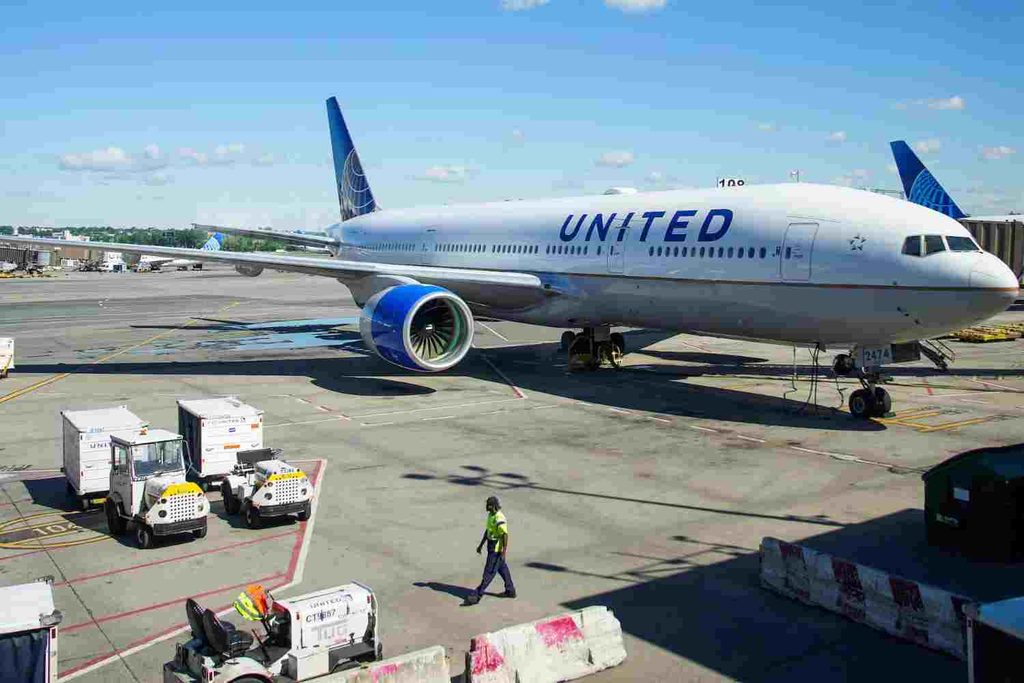
Key strengths travelers often cite about United Airlines include:
- Extensive Star Alliance partnerships covering dozens of countries
- A large widebody fleet supporting long-haul international comfort
- Multiple domestic hubs reducing the need for lengthy connections
- Strong presence in both business travel corridors and leisure destinations
- Ongoing cabin and aircraft investment improving the onboard experience
Star Alliance and Partner Connectivity
Membership in Star Alliance significantly extends what United Airlines can offer beyond its own metal. Through joint ventures with partners such as Lufthansa Group, ANA, and Air New Zealand, United Airlines effectively multiplies its international footprint without needing to operate every route independently. This matters enormously for mileage earners, since United Airlines loyalty members can credit flights operated by partner airlines toward the same account, and redeem miles across a combined network spanning well over a hundred countries. For business travelers juggling multi-city itineraries, this partnership structure often means smoother connections, shared lounge access, and more predictable service standards even when switching between carriers mid-journey. It’s one of the less visible but genuinely impactful reasons frequent international travelers continue choosing United Airlines over standalone regional carriers.
Loyalty Program and Premium Cabins
United Airlines’ MileagePlus program remains one of the more flexible loyalty schemes among major U.S. carriers, offering multiple tiers of elite status along with co-branded credit card partnerships that accelerate mileage earning. The airline’s Polaris business class product, available on long-haul international routes, includes lie-flat seating, dedicated lounge access at major hubs, and curated onboard dining. Meanwhile, domestic and shorter international routes benefit from United Airlines’ ongoing rollout of Premium Plus, an extra-legroom cabin positioned between economy and business that has proven popular with travelers wanting more comfort without the full business-class price tag. Basic Economy remains the budget option for cost-conscious flyers willing to accept baggage and boarding restrictions. This tiered approach lets United Airlines capture a wide spectrum of traveler budgets under one brand.
Comparing United Airlines’ Cabin Options
| Cabin Class | Typical Use Case | Notable Features |
|---|---|---|
| Basic Economy | Budget domestic travel | Personal item only, limited flexibility |
| Economy | Standard domestic/international | Checked bag allowance, standard seating |
| Premium Plus | Long-haul comfort seekers | Extra legroom, enhanced service |
| Polaris Business | Long-haul international travel | Lie-flat seats, lounge access |
Operational Performance and Reliability
Reliability is a metric travelers weigh heavily when choosing between carriers, and United Airlines has generally performed within a solid, if not always top-tier, range for on-time arrivals among major U.S. airlines. Operational performance can fluctuate year to year based on weather patterns, air traffic control constraints, and staffing levels across the industry, so it’s worth checking recent performance data before booking time-sensitive travel. United Airlines has invested in technology and staffing improvements aimed at reducing weather-related disruptions, particularly at weather-prone hubs like Newark and Chicago. The airline also maintains a sizable regional partner network operating under the United Express brand, extending service to smaller markets that wouldn’t otherwise support mainline aircraft. For travelers connecting through multiple cities, understanding which segments are operated by United Airlines directly versus a regional partner can help set realistic expectations for aircraft size and amenities.
Baggage Policies and Travel Tips
Baggage rules vary significantly by fare class on United Airlines, and misunderstanding them is one of the most common sources of traveler frustration. Basic Economy passengers typically get only a personal item, with no complimentary carry-on bag, while standard Economy fares include a full carry-on allowance plus at least one checked bag depending on route and status. Business and Polaris passengers receive more generous checked baggage limits, often two bags at higher weight thresholds. Before flying, it’s worth double-checking baggage rules directly through official channels, since international routes can carry different allowances than domestic ones. A few practical tips for anyone booking United Airlines flights:
- Confirm fare class baggage rules before packing, especially on Basic Economy fares
- Check in early for oversubscribed hub routes during peak travel seasons
- Consider MileagePlus credit cards if flying United Airlines regularly
- Review connection times carefully at busy hubs like Chicago or Newark
What Sets United Airlines Apart in a Competitive Market
The U.S. airline industry is fiercely competitive, with Delta and American both vying for similar market segments, yet United Airlines has carved out a distinct identity through its international breadth and widebody-heavy fleet strategy. While competitors have historically leaned more heavily into domestic density, United Airlines made a deliberate choice to preserve and expand long-haul capacity, a bet that paid off as international travel demand rebounded strongly. This strategic positioning means travelers seeking direct international connections from mid-sized American cities often find United Airlines uniquely capable of getting them there without unnecessary layovers. Combined with continued investment in cabin upgrades and a loyalty program that rewards both frequent flyers and occasional travelers, United Airlines has positioned itself as a serious contender for anyone comparing airline options for their next trip abroad or across the country.
Conclusion
United Airlines has evolved into far more than just another major U.S. carrier; it represents a case study in how aggressive fleet investment, strategic hub placement, and international partnerships can combine to create genuine competitive advantage. Whether someone is booking a quick domestic hop through Denver or a long-haul journey to Asia through San Francisco, United Airlines offers a level of network depth that few airlines can replicate. As fleet modernization continues and new routes launch across multiple continents, the airline’s trajectory suggests continued growth rather than consolidation. For travelers weighing their options, taking the time to understand how United Airlines structures its hubs, cabins, and loyalty program can translate directly into smoother trips, better value, and fewer surprises at the gate. In an industry defined by constant change, United Airlines remains one of the more consistently ambitious players shaping where global air travel goes next.