
Air travel rarely goes exactly as planned, and that unpredictability is precisely why so many passengers make a habit of checking flight information before they even leave the house. Weather systems shift overnight, mechanical checks run long, and air traffic patterns change by the hour. For anyone flying with a low-cost domestic carrier, staying on top of southwest flight status has become as routine as packing a boarding pass. Knowing where your aircraft is, whether it has left its previous airport, and if a delay has been logged can save hours of frustration. This guide walks through practical, everyday ways to monitor your journey, interpret common status terms, and reduce the stress that often comes with modern air travel.
Why Checking Flight Status Matters More Than Ever
Airports today handle heavier passenger volumes than they did a decade ago, and that congestion trickles down into scheduling. A fifteen-minute delay at one hub can ripple across an entire day’s rotation for a single aircraft. This is why frequent flyers rarely trust a printed itinerary alone. Reviewing southwest flight status before leaving for the airport gives travelers a realistic picture of what to expect, rather than relying on a schedule that was accurate only at the moment of booking. It also helps with logistics beyond the airport itself, such as deciding when to request a rideshare, whether to grab a meal before security, or if a connecting flight is genuinely at risk.
Beyond convenience, there is a financial angle too. Passengers who track updates closely are often the first to rebook themselves through a mobile app when a flight gets cancelled, beating long service lines that form once an irregular operation is announced. Being proactive rather than reactive tends to make the difference between a minor inconvenience and a missed connection that costs an extra night in a hotel.
Common Ways Travelers Track Their Flights
There is no single correct method for checking on a flight, and most seasoned travelers combine a few approaches depending on the situation.
- Using the airline’s own mobile application, which typically offers push notifications for gate changes and delays
- Visiting the official website’s dedicated status page and entering a flight number or route
- Checking airport terminal display boards once already inside the building
- Relying on independent flight-tracking services that aggregate data from multiple airlines
- Calling a reservations line directly when digital tools are unavailable
Each of these has strengths. A mobile app tends to be the fastest for real-time alerts, while terminal boards are useful once you are already walking through the concourse and want a visual confirmation of gate assignments. Independent trackers can be handy for monitoring someone else’s trip, such as when picking up a family member from arrivals.
Understanding the Terminology Behind Flight Status
One reason travelers get confused is that airline status pages use specific terms that are not always intuitive. A flight marked “on time” simply reflects that no delay has been logged yet, not a guarantee that boarding will start exactly as scheduled. “Boarding” means the gate agent has begun calling passenger groups, while “departed” indicates the aircraft has pushed back from the gate, though it may still be taxiing rather than airborne. “En route” confirms the plane has actually taken off. Understanding these distinctions when you check southwest flight status prevents unnecessary panic when a status changes from one label to another during normal operations rather than signaling an actual problem.
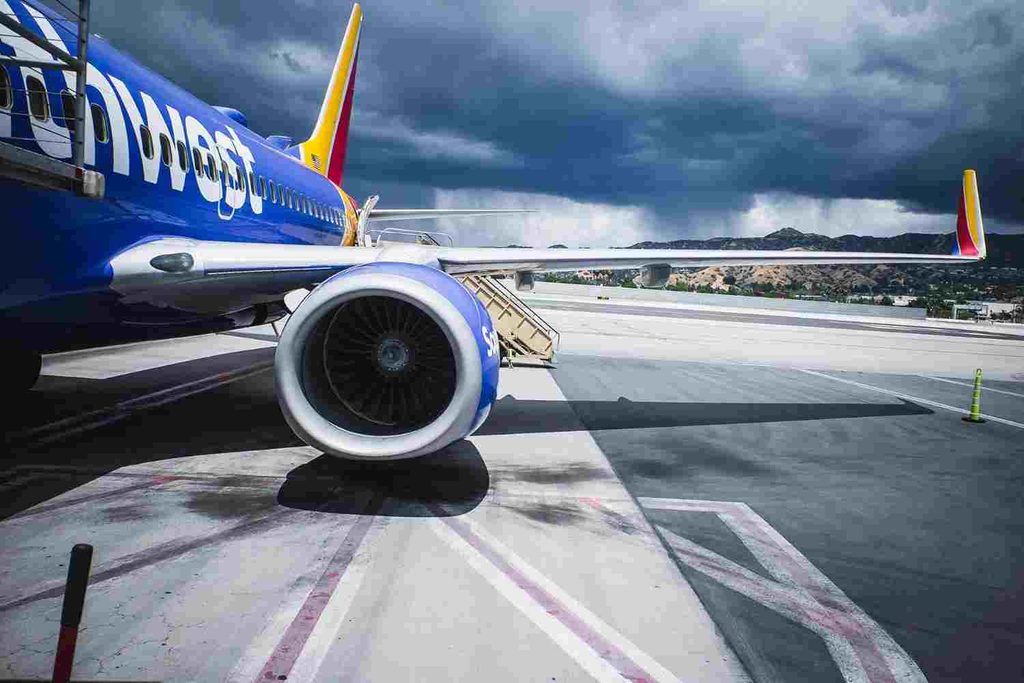
Delays themselves are also categorized. Some are attributed to weather, others to air traffic control restrictions, and some to the airline’s own operational choices, such as a late-arriving aircraft from a previous leg. Knowing the general reason behind a delay can help set expectations, since weather-related delays often affect an entire region and are harder to avoid, whereas a single mechanical delay might resolve faster.
A Simple Breakdown of Status Terms
| Status Label | What It Actually Means |
|---|---|
| Scheduled | Flight has not yet begun preparations for departure |
| Delayed | Departure or arrival has shifted from original time |
| Boarding | Passengers are being called to the gate |
| Departed | Aircraft has left the gate area |
| En Route | Aircraft is airborne and tracking toward destination |
| Landed | Aircraft has arrived and is taxiing to the gate |
| Diverted | Flight has been redirected to a different airport |
| Cancelled | Flight will not operate as originally planned |
Timing Your Checks for Maximum Benefit
Frequent flyers often develop a rhythm for how often they check updates. Checking the night before departure gives a general sense of whether weather systems might interfere. A second check on the morning of travel, ideally two to three hours before departure, offers a more accurate read since airline systems update as the incoming aircraft progresses through its earlier legs. A final check right before leaving home or a hotel is often the most valuable, since it reflects the most current operational picture. Refreshing southwest flight status too many times in a short span rarely adds new information, since most airline systems only update every few minutes, so spacing checks out tends to be more productive than refreshing constantly.
For travelers with tight connections, it can also help to check the status of the inbound aircraft, not just the outbound flight. If the plane assigned to your route hasn’t yet left its origin city, that is often a stronger early indicator of a coming delay than the schedule alone.
What To Do When a Delay or Cancellation Happens
A delay notification does not have to derail an entire trip if handled calmly. The first step is usually to open the airline’s app and check for automatic rebooking options, since many carriers now offer self-service rebooking before a passenger even reaches a counter. If a connection looks at risk, it can help to identify backup flights on the same route in advance, so a decision can be made quickly rather than under pressure. Travelers should also keep an eye on gate changes, since a delay is sometimes accompanied by a relocation to a different area of the terminal entirely.
For significant disruptions, documenting the original itinerary and any communication from the airline is worth doing early, particularly if reimbursement for meals or lodging becomes necessary later. Many airlines publish their own policies regarding compensation for controllable delays, and reviewing those terms ahead of time, rather than during a stressful moment at the airport, tends to lead to better outcomes.
Making Flight Tracking Part of Your Travel Routine
Building the habit of checking updates doesn’t need to be complicated. Many travelers simply add a reminder to glance at their app the evening before a flight and again the morning of departure. Saving a flight to an app’s favorites or itinerary section often triggers automatic notifications, removing the need to manually search each time. This small habit, checking southwest flight status at a few key points rather than obsessively, strikes a practical balance between staying informed and not letting travel anxiety take over the whole day.
It is also worth remembering that airport staff and gate agents generally have access to more current information than any app, particularly once irregular operations are underway. If a status page seems stuck or contradictory, walking up to a gate podium for a quick, in-person confirmation is still one of the most reliable options available.
Conclusion
Modern air travel comes with more moving parts than most passengers realize, from aircraft rotations to weather systems hundreds of miles away. Making a habit of checking southwest flight status at a few strategic points, the night before, the morning of departure, and just before heading out the door, puts travelers in a far stronger position than relying on a fixed schedule alone. Understanding the terminology behind each update, knowing where to look for real-time information, and having a plan ready for delays or cancellations all combine to make air travel feel less unpredictable. In the end, a few minutes spent reviewing flight details can be the difference between a smooth trip and an avoidable scramble at the gate.