
For more than a century, flight has evolved from fragile propeller planes to sleek jets crossing oceans in hours. Yet the next chapter promises to be just as dramatic. The future of air travel is being reshaped by climate pressure, exploding passenger demand, and technology that once belonged only in science fiction. Airlines, airports, and manufacturers are racing to answer a single question: how do we move more people, faster and cleaner, without breaking the systems that already strain under today’s traffic? The answers are emerging in labs, test flights, and pilot programs across the globe right now, and they hint at a very different experience awaiting travelers in the years ahead.
Why the Skies Are Under Pressure
Global air traffic has grown steadily for decades, and forecasts suggest passenger numbers could nearly double within the next twenty years. This surge puts enormous strain on runways, air traffic control systems, and airport terminals that were never designed for such volume. At the same time, aviation faces mounting scrutiny over its carbon footprint, pushing governments and manufacturers to set ambitious emissions targets. These converging pressures mean the industry cannot simply keep doing what it has always done. Incremental fixes are no longer enough, which is why so much investment is flowing into entirely new aircraft designs, fuels, and digital infrastructure. Understanding this pressure is essential to understanding why the future of air travel looks so radically different from the skies we know today.
Electric and Hybrid Aircraft Take Off
One of the clearest signals of change is the rise of electric and hybrid-electric aircraft. Regional carriers are already testing small electric planes capable of carrying a dozen or so passengers on short hops between nearby cities. These aircraft produce far less noise and zero direct emissions during flight, making them attractive for routes under 300 miles. Hybrid designs, which pair traditional engines with battery power, are seen as a bridge technology while battery density improves enough to support longer routes. Manufacturers are betting that short regional flights will be the first true proving ground. If successful, this shift could make quick city-to-city hops cheaper, quieter, and dramatically less polluting within the next decade.
Sustainable Fuel as a Bridge Solution
While battery technology matures, sustainable aviation fuel, often called SAF, has become the industry’s most practical near-term tool for cutting emissions on long-haul flights. Made from sources like used cooking oil, agricultural waste, or captured carbon, SAF can be blended with conventional jet fuel and used in existing engines without major modifications. Several major airlines have already committed to increasing SAF usage significantly by the early 2030s. The challenge lies in production capacity, since current supply meets only a small fraction of global demand. Governments are responding with subsidies and mandates to accelerate refinery investment. This fuel shift represents one of the most realistic paths toward a lower-carbon future of air travel, especially for routes electric planes cannot yet handle.
After the retirement of the Concorde, supersonic passenger flight seemed like a closed chapter. That assumption is being challenged again. Several startups are developing new supersonic jets designed to cut long-haul flight times dramatically, targeting routes such as transatlantic crossings in roughly half the current duration. Engineers are working to solve the sonic boom problem that grounded earlier supersonic ambitions, using quieter airframe designs that reduce noise reaching the ground. Regulatory approval remains a major hurdle, and ticket prices are expected to sit at a premium initially. Still, the return of high-speed commercial flight signals that speed, not just efficiency, remains a defining ambition in the future of air travel.
Smarter, Faster Airports
Aircraft are only part of the equation. Airports themselves are undergoing a quiet transformation designed to eliminate the friction travelers dread most. Biometric identification, using facial recognition instead of paper boarding passes, is already speeding up security lines and boarding gates in several major hubs. Automated baggage systems and AI-powered scheduling tools are reducing delays caused by human bottlenecks. Some terminals are experimenting with self-driving shuttles to move passengers between distant gates. The goal is a seamless journey where identification, security, and boarding happen almost invisibly. As these systems scale up worldwide, the physical experience of moving through an airport should feel far less stressful than it does today.
Key innovations reshaping the passenger journey include:
- Facial recognition boarding that removes the need for physical documents at multiple checkpoints
- AI-driven baggage tracking that reduces lost luggage and speeds up claim processes
- Predictive scheduling tools that help airlines minimize delays before they cascade
- Personalized travel apps that adjust real-time notifications based on individual itineraries
- Contactless payment and ordering systems throughout terminals and onboard cabins
Autonomous and Urban Air Mobility
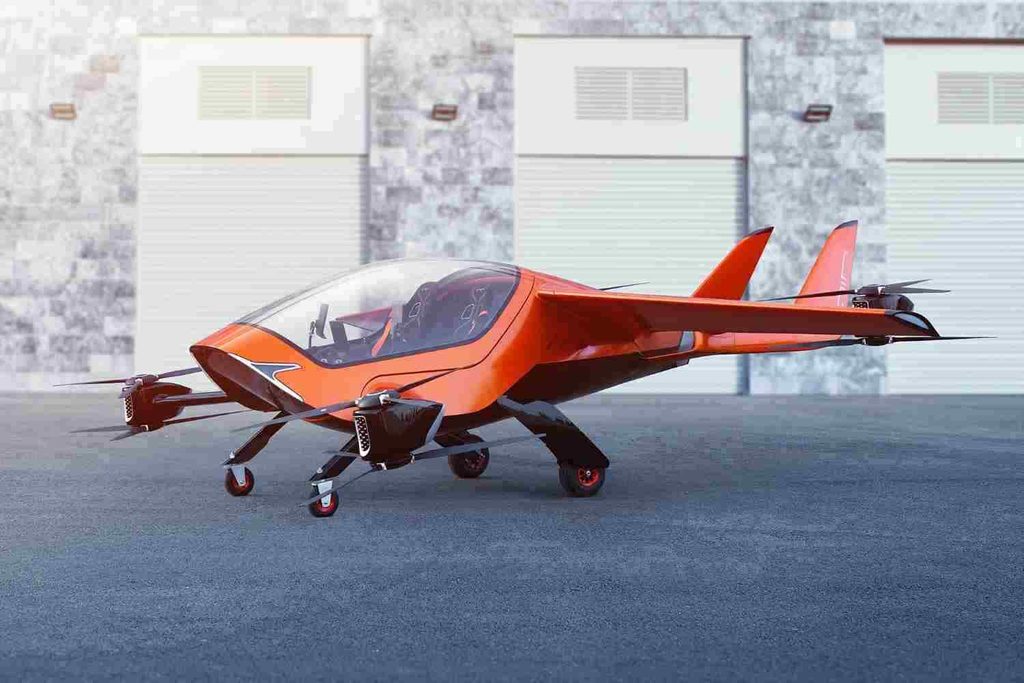
Perhaps the most futuristic shift involves aircraft with no pilot at all, or vehicles designed for short urban hops rather than cross-country trips. Electric vertical takeoff and landing aircraft, known as eVTOLs, are being tested as air taxis capable of ferrying a handful of passengers between rooftop pads within congested cities. These vehicles could bypass gridlocked roads entirely, cutting commute times that currently stretch over an hour down to mere minutes. Regulatory bodies are still building the certification frameworks needed to allow autonomous or semi-autonomous flight over populated areas. Full autonomy for large passenger jets remains further away, but pilotless cargo flights are already being trialed, suggesting the technology curve is moving faster than many expected.
How Emerging Technologies Compare
| Technology | Primary Benefit | Expected Timeline |
|---|---|---|
| Electric regional aircraft | Zero direct emissions on short routes | Early adoption within 5-8 years |
| Sustainable aviation fuel | Immediate emissions cuts on existing jets | Scaling now through the 2030s |
| Supersonic jets | Dramatically reduced flight times | Limited routes within 8-10 years |
| Biometric airports | Faster, smoother passenger processing | Already expanding globally |
| Urban air taxis | Short-distance congestion relief | Pilot programs within 5-7 years |
The Passenger Experience Reimagined
Beyond the mechanics of flight, the actual experience of being a passenger is set for a quiet revolution. Cabin designs are being reconsidered with modular seating that can shift configuration depending on route length and demand. Onboard connectivity is improving rapidly, making high-speed internet a baseline expectation rather than a luxury add-on. Airlines are also experimenting with personalized cabin lighting and air quality systems designed to reduce jet lag and fatigue. Even meal service is being rethought, with more airlines sourcing regional ingredients and offering flexible ordering through apps before takeoff. None of these changes are flashy on their own, but together they represent a meaningful shift toward comfort-focused design in the future of air travel.
Challenges Standing in the Way
None of this transformation is guaranteed to arrive smoothly. Battery technology still lacks the energy density needed for long-haul electric flight, and supersonic jets face steep regulatory and environmental hurdles before wide adoption. Infrastructure upgrades, from charging stations at airports to new air traffic control software, require massive capital investment that not every region can afford equally. There is also the question of public trust, particularly around autonomous flight and biometric data collection, both of which raise legitimate privacy concerns. Balancing innovation with affordability will determine how quickly these changes actually reach everyday travelers rather than remaining confined to wealthy markets or short-haul routes.
Conclusion
The future of air travel will not arrive as a single dramatic leap but as a steady accumulation of smaller breakthroughs, from electric regional planes and cleaner fuels to biometric terminals and urban air taxis. Each innovation solves a different piece of the puzzle, whether that’s emissions, speed, or simple convenience at the gate. Challenges around cost, infrastructure, and regulation remain real, and progress will likely unfold unevenly across different regions and airlines. Even so, the direction is unmistakable: flying is moving toward a model that is cleaner, faster, and more personalized than anything travelers have experienced before. Anyone booking a flight a decade from now may find the entire journey, from check-in to landing, almost unrecognizable compared to today.