
Understanding the Airport Arrival Process
Every traveler benefits from knowing what to expect once the aircraft touches down. An airport arrival guide helps passengers understand the sequence of steps that follow landing, from taxiing to the gate to finally stepping outside the terminal. Airports around the world follow a fairly similar structure, though the pace and organization can vary depending on size and traffic volume. Knowing this sequence in advance reduces stress, saves time, and helps travelers avoid confusion in unfamiliar surroundings. Whether flying domestically or internationally, understanding the arrival process allows passengers to move confidently through each stage instead of relying on guesswork. This is especially useful for first-time flyers, families traveling with children, or anyone navigating a large international hub for the first time.
Deplaning and Following Terminal Signage
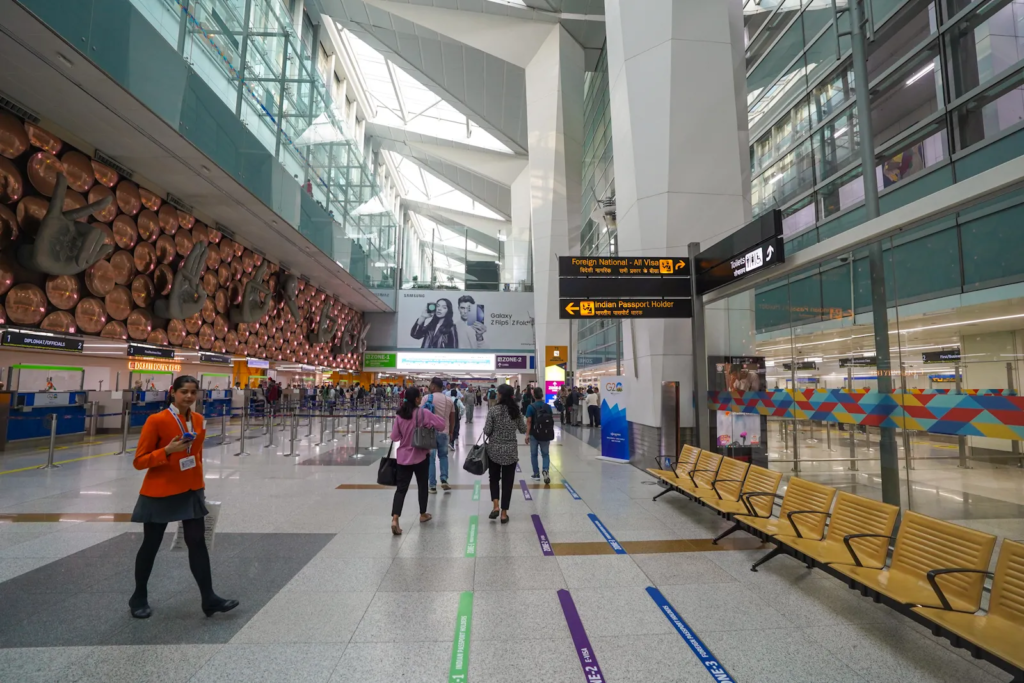
Once the aircraft parks at the gate, passengers exit in an orderly manner, usually starting from the front rows. After stepping into the terminal, the next challenge is orientation. Large airports often feel maze-like, which is why signage becomes essential. Most terminals use color-coded and multilingual signs to direct passengers toward immigration, baggage claim, or connecting flights. Following these signs carefully prevents unnecessary backtracking. An airport arrival guide typically recommends pausing briefly after deplaning to identify directional signs rather than following the crowd blindly, since not everyone may be headed to the same destination within the airport, particularly at hubs with multiple terminals or transfer areas.
Walkways, escalators, and internal trains often connect distant terminals, and larger airports may require a considerable amount of walking before reaching immigration. Travelers with mobility concerns can usually request wheelchair assistance or use designated slower-paced lanes. Paying attention to floor markings and overhead displays helps prevent wrong turns, especially during busy arrival periods when multiple flights land close together and corridors become crowded with passengers moving in different directions.
Immigration and Passport Control
For international travelers, immigration is usually the first major checkpoint. Passengers line up according to categories such as citizens, residents, or visitors, and each line is processed through passport control booths. Officers may ask about the purpose of the visit, duration of stay, or accommodation details. Having travel documents, visas, and entry forms ready in advance speeds up this process considerably. Some countries now use automated e-gates with facial recognition or fingerprint scanning, reducing wait times for eligible travelers. Delays at this stage are common during peak hours, so patience is important. This section of an airport arrival guide is often the most time-consuming part of the entire arrival experience, particularly at major international gateways.
Baggage Claim Procedures
After clearing immigration, passengers proceed to baggage claim to collect checked luggage. Digital display boards indicate which carousel corresponds to each flight number, helping travelers locate their bags without confusion. It is advisable to double-check luggage tags before leaving the area, as similar bags can easily be mistaken for one another. If baggage does not appear within a reasonable time, airline staff at the baggage service desk can assist with tracing lost or delayed items.
Trolleys are usually available near the carousels, sometimes free and sometimes for a small fee depending on the airport. For travelers carrying oversized items such as sports equipment or musical instruments, a separate oversized baggage collection point is often located nearby. Checking this area early can save time if standard-sized luggage does not include such items, since these pieces are frequently unloaded and delivered separately from regular suitcases.
Useful tips for this stage include:
- Keep your baggage claim tag until luggage is verified
- Use luggage tags or distinctive covers for easy identification
- Report missing bags immediately at the airline counter
- Avoid leaving bags unattended on the carousel area
Customs Declaration and Clearance
Customs clearance follows baggage collection for international arrivals. Passengers typically choose between a “nothing to declare” channel or a “goods to declare” channel, depending on what they are carrying. Items such as excess currency, restricted food products, or high-value goods usually require declaration. Customs officers may conduct random checks or ask passengers to open their luggage for inspection. Being honest and prepared with any necessary documentation, such as receipts for expensive items, helps avoid penalties or delays. An airport arrival guide would not be complete without emphasizing the importance of understanding local customs regulations before travel, since rules differ significantly between countries and violations can result in fines or confiscation of goods.
Currency Exchange and Banking Services
Most international airports provide currency exchange counters, ATMs, and banking kiosks within the arrival area. Travelers who did not exchange money before departure can do so here, although rates at airport counters are often less favorable than those found in city centers. It is generally wise to exchange only a small amount for immediate expenses, such as transport or snacks, and handle larger currency needs later through banks or authorized exchange centers. Many airports also offer mobile payment options and prepaid travel cards for added convenience, reducing dependency on cash altogether for travelers who prefer digital transactions during their journey.
Comparing rates between multiple counters, when time allows, can also help travelers secure slightly better value. This part of an airport arrival guide is particularly relevant for first-time visitors to a country, since understanding local pricing and accepted payment methods early on helps avoid confusion when paying for transport, food, or other immediate needs shortly after landing.
Connecting to Local Transportation
Once formalities are complete, the next step involves arranging transport to the final destination. Airports typically offer multiple options, including taxis, ride-sharing services, airport shuttles, public buses, and rail connections. Clear signage usually directs passengers toward designated pickup zones for each transport type. Choosing the right option depends on budget, luggage volume, and distance to the destination.
Common transportation choices include:
- Pre-booked airport taxis for convenience and fixed pricing
- Ride-sharing apps for flexible, on-demand travel
- Airport express trains for fast city access
- Public buses for budget-conscious travelers
Selecting transport in advance, when possible, prevents long queues and reduces the risk of overpaying unlicensed operators near arrival exits.
Navigating Terminal Facilities
Modern airports offer a range of facilities designed to assist arriving passengers. These include information desks, restrooms, restaurants, pharmacies, SIM card kiosks, and lounges. Travelers needing assistance can approach information counters for directions, transport advice, or general queries about the city. Free Wi-Fi is commonly available throughout arrival halls, allowing passengers to contact family, check maps, or confirm transport bookings immediately after landing. For travelers with connecting flights, transfer desks provide guidance on gate changes, boarding times, and security procedures for the next leg of the journey, making terminal navigation considerably easier for those unfamiliar with the layout.
Family-friendly facilities such as nursing rooms, play areas, and accessible restrooms are increasingly common at major airports. Charging stations for electronic devices are usually placed near seating areas, and some terminals offer short-term rest pods or lounges for a fee. Travelers arriving after long-haul flights often appreciate these amenities, as they provide a comfortable space to freshen up, organize belongings, or simply rest before continuing their journey to the final destination.
Tips for a Smoother Arrival Experience
Preparation plays a significant role in making airport arrival less stressful. Packing essential documents in an easily accessible pocket, keeping a printed or digital copy of accommodation details, and charging mobile devices before landing all contribute to a smoother process. Following a structured airport arrival guide helps travelers mentally map out each stage in advance, reducing anxiety in unfamiliar environments.
Additional practical tips include:
- Keep passports and boarding passes easily accessible
- Download offline maps of the arrival city beforehand
- Carry small denominations of local currency if possible
- Note your accommodation address in the local language
These small preparations often make a noticeable difference in how efficiently travelers move through each stage of arrival.
Common Mistakes to Avoid During Arrival
Many travelers unknowingly slow themselves down through avoidable errors. Rushing through immigration without organized documents, misplacing baggage claim tags, or ignoring customs declaration requirements are frequent issues. Others struggle by accepting transport offers from unauthorized individuals near exits, which can lead to overcharging or safety concerns. Avoiding these mistakes requires awareness and calm decision-making rather than rushing.
Frequent errors travelers should watch for:
- Not confirming visa or entry requirements beforehand
- Losing track of hand-carried valuables in crowded areas
- Skipping currency exchange planning until the last moment
- Ignoring official signage in favor of following other passengers
Being mindful of these common pitfalls, as outlined in most airport arrival guide resources, allows travelers to move through the process with greater confidence and significantly less stress from the moment they land until they reach their final destination.