
Flying can feel overwhelming, especially when airports are crowded and schedules are tight. Whether you travel for business or leisure, having a handful of reliable airplane travel tips can transform a stressful trip into a smooth one. Small adjustments in planning, packing, and mindset often make the biggest difference between an exhausting journey and a pleasant one. This article walks through practical strategies that apply to short domestic hops and long international flights alike, so you can approach your next trip with confidence instead of anxiety.
Plan Your Trip Before You Even Pack
The foundation of stress-free flying starts long before you reach the airport. Booking flights during off-peak hours, such as early mornings or midweek days, often means shorter lines and fewer delays caused by congestion. Checking your airline’s baggage policy in advance prevents unpleasant surprises at the counter. It also helps to review the airport layout, especially if you have a tight connection, since some terminals require lengthy walks or shuttle rides between gates. Setting reminders for check-in windows, especially for budget carriers that charge extra for late check-ins, can save both money and frustration. These airplane travel tips around preparation are often overlooked, yet they save the most time and reduce avoidable stress before your journey even begins.
Pack Smart to Avoid Airport Hassles
Packing efficiently is one of the most valuable airplane travel tips seasoned travelers swear by. Rolling clothes instead of folding them saves space and reduces wrinkles, while packing cubes keep your bag organized and easy to search through at security. Always keep essential documents, medications, and a change of clothes in your carry-on in case checked luggage gets delayed. Liquids should be stored in a clear, resealable bag following the standard size limits to avoid holdups at the checkpoint. Consider these packing priorities:
- Keep chargers, headphones, and a power bank easily accessible
- Wear your bulkiest items instead of packing them
- Separate liquids and electronics for faster security screening
- Bring an empty water bottle to fill after security
A well-packed bag not only speeds up your airport experience but also makes unpacking at your destination far less chaotic.
Choose the Right Seat for Comfort
Seat selection can significantly influence how you feel throughout the flight. Aisle seats offer more freedom to stretch and move without disturbing neighbors, while window seats provide a wall to lean against for sleeping. If legroom matters most to you, exit row or bulkhead seats are worth the extra fee on longer flights. Families traveling with children often benefit from booking seats together early, since airlines sometimes separate parties on full flights. Reviewing seat maps through third-party tools before booking can reveal which rows have limited recline or sit near noisy galleys and restrooms. Among all airplane travel tips, seat selection is one of the simplest yet most overlooked ways to control your comfort level, especially on flights lasting several hours.
Dress and Prepare for Cabin Conditions
Airplane cabins tend to be cooler and drier than most environments, which can leave skin feeling tight and throats scratchy. Layered clothing allows you to adjust to changing temperatures without needing to dig through your bag. Compression socks are particularly useful on long-haul flights, as they support circulation during hours of limited movement. Moisturizer and lip balm counter the dry cabin air, while a light scarf or wrap can double as a blanket. Comfortable, breathable shoes that are easy to slip off are far more practical than tight footwear. Preparing your outfit thoughtfully is a small step, but it directly affects how rested and comfortable you feel upon arrival, particularly after crossing multiple time zones.
Stay Hydrated and Eat Wisely
Cabin air has notoriously low humidity, which can dehydrate passengers faster than they expect. Drinking water regularly throughout the flight, rather than relying solely on beverage service, helps combat fatigue and headaches. Limiting alcohol and caffeine is another useful habit, since both can intensify dehydration and disrupt sleep patterns, especially on overnight flights. Bringing your own snacks, such as nuts, fruit, or granola bars, ensures you have healthy options if meal service is delayed or unavailable. Eating lighter meals before boarding can also reduce bloating at altitude, where cabin pressure affects digestion. These habits may seem minor, but travelers who prioritize hydration and balanced eating consistently report feeling more energized after landing.
Manage Jet Lag and Sleep Strategically
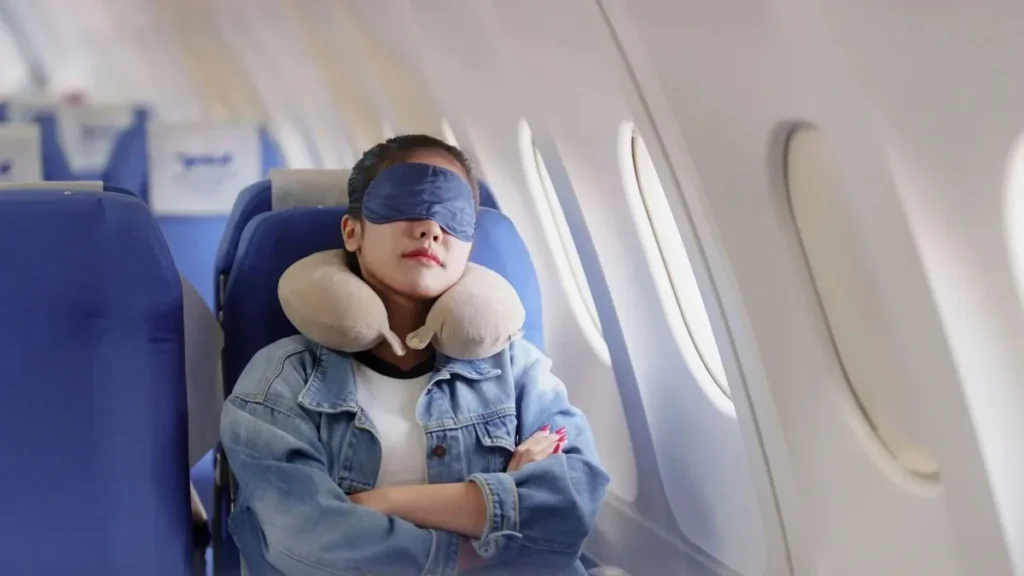
Adjusting your body clock before departure can ease the transition into a new time zone. Gradually shifting your sleep schedule a few days before a long flight helps minimize the shock of jet lag. Once onboard, setting your watch to the destination time zone mentally prepares you to eat and sleep accordingly. Noise-canceling headphones and an eye mask are invaluable for blocking cabin noise and light during rest periods. Avoiding heavy meals right before sleeping on the plane also supports better rest. For flights that arrive during daytime at your destination, staying awake and exposing yourself to natural light upon arrival helps reset your internal clock faster than napping immediately.
Navigate Security and Boarding Efficiently
Moving through security smoothly is one of the most practical airplane travel tips for reducing pre-flight stress. Wearing slip-on shoes and avoiding excessive metal accessories speeds up the screening process considerably. Placing laptops and liquids in easily accessible pockets prevents last-minute scrambling at the checkpoint. Arriving with your boarding pass and identification ready, rather than searching through your bag, keeps the line moving for everyone. During boarding, listening carefully for group numbers and having your overhead bag organized ahead of time reduces the chaos of the jet bridge. Frequent flyers often recommend downloading your boarding pass digitally as a backup in case of connectivity issues at the gate.
Stay Entertained and Comfortable Mid-Flight
Long flights demand a plan for staying occupied, since relying solely on inflight entertainment systems can be unpredictable. Downloading movies, podcasts, or e-books beforehand ensures you always have something to pass the time, even without WiFi. A neck pillow and small blanket can dramatically improve rest quality, particularly on overnight routes. Standing up periodically to stretch your legs reduces stiffness and lowers the risk of blood clots on longer journeys. Some travelers also bring a compact notebook or crossword puzzle to unplug from screens entirely. Building a personal comfort kit tailored to your habits is one of the most underrated airplane travel tips, since it turns idle hours into a genuinely restful experience.
Handle Delays and Disruptions Calmly
Flight delays and cancellations are frustrating but often unavoidable. Having travel insurance or knowing your airline’s rebooking policy in advance can save significant time if disruptions occur. Keeping essential items like medication, chargers, and a change of clothes in your carry-on protects you if checked luggage is delayed. Staying calm and polite with airline staff typically leads to faster, more helpful assistance than frustration does. Monitoring your flight status through airline apps allows you to react quickly to gate changes or timing adjustments. Preparing mentally for the possibility of delays, rather than assuming everything will go perfectly, makes disruptions far easier to manage when they do happen.
| Travel Aspect | Helpful Tip | Benefit |
|---|---|---|
| Packing | Use packing cubes and rolled clothing | Saves space, reduces wrinkles |
| Seating | Choose aisle or exit row seats | More legroom and mobility |
| Hydration | Drink water regularly, limit caffeine | Reduces fatigue and headaches |
| Sleep | Use eye mask and noise-canceling headphones | Improves rest quality |
| Security | Wear slip-on shoes, organize bag | Faster checkpoint process |
| Delays | Know airline rebooking policy | Reduces stress during disruptions |
Bringing It All Together
Flying doesn’t have to be a source of dread. With thoughtful preparation, smart packing, and a few in-flight habits, air travel can become a manageable and even enjoyable part of your journey. From choosing the right seat to staying hydrated and prepared for delays, these airplane travel tips cover every stage of the experience, from booking to landing. The goal isn’t to eliminate every inconvenience, since travel rarely goes perfectly, but to reduce friction wherever possible. By applying these airplane travel tips consistently, you’ll find that each trip becomes easier to navigate, leaving you more energy to enjoy your destination rather than recovering from the journey itself.