Every day, millions of travelers pass through airport checkpoints without giving much thought to the complex system working behind the scenes. Passenger security screening exists to protect lives, prevent prohibited items from boarding aircraft, and maintain public confidence in air travel. It is not simply a bureaucratic formality but a carefully designed process built on decades of aviation safety research. Airports across the world rely on trained personnel, advanced technology, and strict protocols to identify potential threats before they ever reach a boarding gate. While passengers sometimes view screening as an inconvenience, it remains one of the most effective tools for preventing disasters. The process protects not only the individuals traveling but also airport staff, flight crews, and communities surrounding major aviation hubs. Understanding why this system exists helps travelers appreciate its necessity rather than resent its presence.
How Modern Screening Technology Has Transformed Air Travel
Passenger security screening has evolved dramatically since the early days of commercial aviation. What once involved simple metal detectors has grown into a sophisticated network of imaging systems, explosive trace detection, and behavioral analysis tools. Advanced imaging technology allows security officers to see beneath clothing without physical contact, identifying concealed items while respecting passenger dignity. Automated bag screening machines use dense imaging algorithms to detect anomalies within luggage, flagging suspicious shapes or densities for further inspection. These technological advancements have significantly reduced the time needed for screening while increasing detection accuracy. As threats continue to evolve, screening technology must adapt as well, incorporating artificial intelligence and machine learning to recognize patterns that human eyes might overlook. This continuous innovation ensures that passenger security screening remains one step ahead of those who might attempt to exploit vulnerabilities in the system.
The Human Element: Training and Judgment in Screening Operations
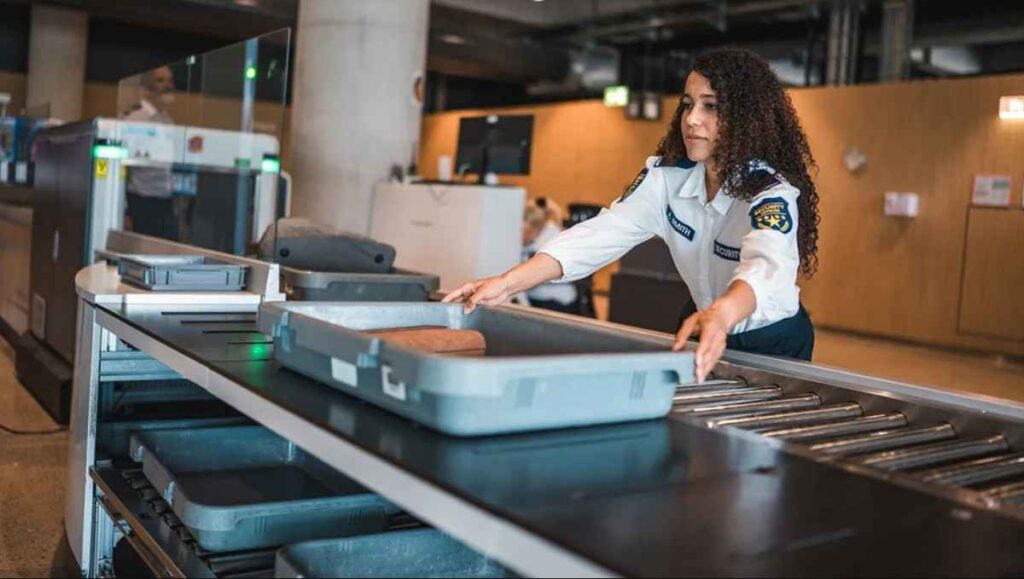
Despite heavy reliance on technology, human judgment remains central to effective passenger security screening. Machines can detect anomalies, but trained officers must interpret results, ask appropriate questions, and make split-second decisions about potential risks. Screening personnel undergo extensive training that covers everything from recognizing suspicious behavior to understanding the technical operation of scanning equipment. This training also includes cultural sensitivity awareness, ensuring that officers treat all passengers with respect regardless of background or appearance. Officers must balance thoroughness with efficiency, moving passengers through checkpoints quickly without compromising safety standards. The human element also provides adaptability that machines cannot replicate, allowing officers to respond to unusual situations that fall outside standard protocols. This combination of technology and trained personnel forms the backbone of a screening system designed to catch threats while minimizing unnecessary disruption to travelers.
Balancing Efficiency With Thoroughness at Checkpoints
One of the greatest challenges facing airport authorities is maintaining thorough passenger security screening without creating excessive delays. Long queues frustrate travelers and can create logistical problems for airlines trying to maintain flight schedules. To address this, many airports have introduced expedited screening programs for pre-approved travelers who undergo background checks in advance. These programs allow low-risk passengers to move through checkpoints more quickly, freeing up resources to focus on higher-risk situations. Staffing levels, checkpoint design, and equipment placement all play roles in determining how smoothly the screening process flows. Airports continuously analyze passenger traffic patterns to optimize checkpoint configurations, reducing bottlenecks during peak travel periods. The goal is never to sacrifice safety for speed, but rather to find intelligent ways to achieve both simultaneously through better planning and smarter resource allocation.
Addressing Privacy Concerns Within the Screening Process
Privacy remains a significant consideration in the design and implementation of passenger security screening procedures. Travelers understandably want assurance that their personal information and physical privacy are respected during the screening process. Regulatory bodies have established guidelines limiting how long images from body scanners can be stored and who has access to them. Many systems now use generic outlines rather than detailed images, alerting officers to areas requiring further inspection without displaying explicit body images. Passengers who feel uncomfortable with certain screening methods typically have alternative options available, such as manual pat-downs conducted by same-gender officers. Transparency about these procedures helps build trust between travelers and security agencies. As screening technology continues advancing, ongoing dialogue between privacy advocates and security officials remains essential to ensure that safety measures do not come at the expense of personal dignity or civil liberties.
Special Considerations for Vulnerable and Diverse Passenger Groups
Passenger security screening must accommodate a wide range of travelers, including children, elderly individuals, people with disabilities, and those with medical conditions requiring special equipment. Standard procedures often need modification to address these unique circumstances without compromising safety standards. Officers receive specific training on how to handle situations involving prosthetic limbs, medical devices, or mobility aids that might trigger alarms on standard scanning equipment. Families traveling with young children benefit from streamlined procedures designed to reduce stress and confusion during the screening process. Passengers with religious or cultural clothing requirements also receive accommodations that respect their beliefs while still ensuring thorough inspection. This inclusive approach demonstrates that effective passenger security screening is not a one-size-fits-all system but rather a flexible framework capable of adapting to the diverse needs of the traveling public while maintaining consistent safety standards across all passenger categories.
International Cooperation and Standardized Security Protocols
Air travel connects countries around the globe, making international cooperation essential for effective passenger security screening. Aviation authorities from different nations collaborate to establish baseline standards that airports worldwide must meet, creating consistency for travelers moving between countries. Organizations dedicated to aviation safety regularly update guidelines based on emerging threats and technological capabilities, sharing intelligence across borders to strengthen collective security. This cooperation extends to information sharing about known threats, suspicious individuals, and evolving tactics used by those seeking to circumvent security measures. Without this global coordination, gaps in security could emerge at airports with weaker enforcement, potentially compromising the entire aviation network. Standardization also benefits travelers by creating predictable experiences regardless of which country they depart from, reducing confusion and ensuring that passenger security screening maintains consistent effectiveness across the interconnected web of international air travel routes and destinations.
Preparing Passengers for a Smoother Screening Experience
Travelers can contribute to more efficient passenger security screening by understanding basic preparation steps before arriving at checkpoints. Removing laptops and liquids from bags in advance, wearing easily removable footwear, and avoiding excessive metal accessories can significantly speed up individual processing times. Airports often provide guidance materials explaining current restrictions on carry-on items, helping passengers avoid confiscation of prohibited items at the last minute. Frequent travelers often develop routines that minimize delays, such as organizing electronics in easily accessible pockets or wearing slip-on shoes specifically for air travel days. Educational campaigns at airports and through airline communications help spread awareness about these best practices. When passengers arrive prepared and informed, the entire screening process moves more smoothly for everyone involved, reducing stress for both travelers and the officers responsible for maintaining security standards throughout busy travel periods.
Looking Ahead: The Future of Aviation Security Measures
The future of passenger security screening will likely involve even greater integration of biometric technology, artificial intelligence, and predictive analytics. Facial recognition systems may eventually replace traditional boarding passes, creating seamless transitions from check-in through security to boarding gates. Predictive algorithms could help identify potential risks before passengers even arrive at the airport, allowing for more targeted resource allocation. However, these advancements must be implemented thoughtfully, balancing innovation with continued respect for privacy and civil liberties. As threats evolve, so too must the systems designed to counter them, requiring ongoing investment in research, training, and technology upgrades. The traveling public will continue to benefit from these improvements as screening becomes faster, more accurate, and less intrusive over time.
Passenger security screening remains a cornerstone of modern aviation safety, protecting millions of travelers each year through a combination of advanced technology and skilled human judgment. As threats continue evolving, the systems designed to counter them must adapt accordingly, always striving to balance thoroughness with efficiency and respect for individual privacy. Understanding the reasoning behind these procedures helps travelers appreciate their necessity rather than viewing them as mere obstacles. Looking forward, continued innovation promises to make this essential process even more effective while reducing friction for the millions of people who rely on air travel every single day across the globe.