Every time a plane touches down, a hidden army of professionals springs into action long before passengers notice anything happening. This is the world of Aircraft Ground Services, the collection of tasks performed on the tarmac and inside terminals that keep flights moving safely and on schedule. These services cover everything from marshaling an aircraft into its parking bay to loading cargo, refueling, and preparing the cabin for the next group of travelers. Without this coordinated effort, even the most advanced aircraft would sit idle. Airports depend on these ground teams to bridge the gap between landing and takeoff, ensuring that each turnaround happens within a tight window. The complexity involved often surprises people outside the aviation industry, since so much of the work happens quietly and efficiently in the background.
The Core Functions Behind Aircraft Ground Services
At its heart, Aircraft Ground Services encompasses several interconnected functions that must happen almost simultaneously. Baggage and cargo handling teams unload arriving luggage while others load outgoing shipments, often working against a countdown clock. Meanwhile, fueling crews calculate precise quantities needed for the next leg of a journey, balancing weight restrictions with flight distance. Cabin cleaning staff move in to reset seats, restock supplies, and prepare the aircraft interior for boarding. Lavatory and water servicing teams handle sanitation needs that passengers rarely think about but that are critical for comfort and hygiene. Pushback and towing operators guide the aircraft away from the gate using specialized tugs. Each of these roles operates on a strict schedule, and any delay in one area can create a ripple effect across the entire airport’s timetable.
Why Timing and Coordination Matter So Much
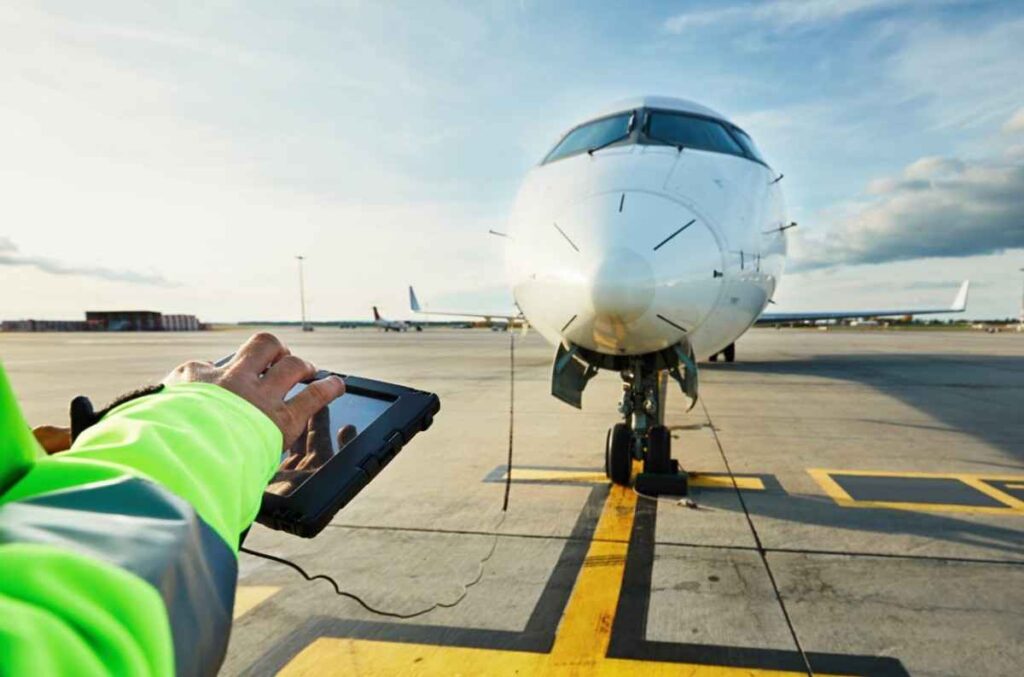
Airlines measure success partly through turnaround time, the interval between an aircraft’s arrival and its next departure. Aircraft Ground Services teams are judged heavily on how efficiently they complete their tasks within this narrow window, sometimes as short as thirty minutes for short-haul flights. A single missed step, such as a delayed catering delivery or a fueling truck arriving late, can cascade into a schedule disruption affecting dozens of subsequent flights. This is why ground handling companies rely on detailed choreography, with each vehicle and worker assigned a specific sequence and timeframe. Communication between the flight crew, air traffic control, and ground staff must remain constant throughout this process. Modern airports increasingly use digital tracking systems to monitor every vehicle and task in real time, reducing the guesswork that once made ground operations more prone to human error and miscommunication.
Safety Standards That Govern Every Task
Because ground operations happen in close proximity to moving aircraft, jet blast, and heavy machinery, safety protocols are non-negotiable. Workers involved in Aircraft Ground Services undergo rigorous training covering everything from proper equipment handling to emergency response procedures. High-visibility clothing, hearing protection, and strict adherence to marked pathways are standard requirements on any active apron. Aircraft marshaling, for instance, requires precise hand signals that pilots must interpret correctly to avoid collisions with other equipment or structures. Fuel handling introduces additional risks, demanding strict grounding procedures to prevent static electricity buildup near volatile substances. Weather conditions add another layer of complexity, since rain, snow, or high winds can slow down operations or require additional precautions like de-icing. Regulatory bodies routinely inspect ground handling companies to confirm compliance, and failure to meet these standards can result in significant penalties or suspended operating licenses.
The Equipment That Makes Ground Handling Possible
Behind every smooth turnaround lies an impressive fleet of specialized vehicles and tools. Belt loaders move luggage from the tarmac into cargo holds, while conveyor systems inside terminals sort bags by destination. Ground power units supply electricity to parked aircraft, allowing onboard systems to function without draining engine-generated power. Air start units help engines begin their startup sequence, particularly useful in colder climates. Pushback tractors, sometimes called tugs, physically maneuver aircraft away from gates since jet engines cannot safely operate in reverse near terminal buildings. Water and lavatory service trucks handle sanitation needs discreetly and efficiently. De-icing vehicles spray specialized fluids onto wings and fuselages during winter months to prevent ice accumulation that could compromise flight safety. Each piece of equipment represents a significant investment, and airports or ground handling companies must maintain fleets that can operate reliably under constant pressure.
Training and Workforce Considerations
The people performing Aircraft Ground Services tasks require specialized certifications that vary depending on their specific role. Baggage handlers need training in proper lifting techniques to avoid injury, given the repetitive nature of the work. Fuel truck operators must understand hazardous materials handling and emergency shutdown procedures. Marshaling personnel study standardized signals recognized internationally so that pilots from any airline can interpret their instructions correctly. Many ground handling companies invest heavily in ongoing education, since aviation regulations and aircraft models evolve constantly. Staff turnover in this sector can be high due to the physically demanding nature of outdoor work in all weather conditions, which makes retention strategies and competitive compensation packages increasingly important for companies trying to maintain experienced, reliable teams capable of handling the pressures of tight airport schedules.
Technology’s Growing Role in Ground Operations
Modern airports are increasingly turning to automation and data analytics to streamline Aircraft Ground Services. Sensors embedded in ground vehicles now track location and speed, feeding information into centralized dashboards that supervisors monitor throughout the day. Some airports have begun testing autonomous baggage tractors that follow programmed routes without human drivers, reducing labor costs while improving consistency. Predictive maintenance software analyzes equipment performance data to flag potential mechanical issues before they cause breakdowns during critical turnaround windows. Mobile applications allow ground crew supervisors to communicate instantly with pilots and gate agents, replacing older radio-based systems that sometimes suffered from interference or miscommunication. While full automation remains years away for most tasks, these incremental technological improvements are gradually reshaping how ground handling companies approach efficiency, safety, and cost management across their operations.
Economic Impact on Airlines and Airports
The financial stakes tied to efficient Aircraft Ground Services are substantial. Airlines calculate operating costs partly based on how quickly ground teams can prepare an aircraft for its next flight, since idle time on the tarmac generates no revenue while still incurring gate fees and staffing expenses. Airports also benefit financially from smooth ground operations, as faster turnarounds allow more flights to use the same gate infrastructure throughout the day. Delays caused by ground handling issues can trigger compensation claims from passengers, damaging airline reputations and creating additional financial burdens. Many airlines choose to outsource these functions to specialized ground handling companies rather than managing the equipment and workforce internally, allowing them to focus resources on flight operations while relying on external experts for tarmac logistics. This division of labor has become standard practice across most major international airports.
Environmental Considerations in Modern Ground Handling
Sustainability concerns have started influencing how companies approach Aircraft Ground Services. Electric ground support equipment is gradually replacing diesel-powered vehicles at many airports, reducing emissions and noise pollution near terminal buildings. Some operators have introduced biofuel options for their vehicle fleets, while others focus on optimizing routes to minimize unnecessary vehicle movement across the apron. Airports facing stricter environmental regulations often require ground handling contractors to meet specific emissions targets as part of their operating agreements. These changes reflect broader industry pressure to reduce aviation’s overall environmental footprint, extending beyond just aircraft engines to the extensive support infrastructure that surrounds every flight. As battery technology improves and charging infrastructure expands, electric-powered ground equipment is expected to become increasingly common across airports of all sizes worldwide.
Bringing It All Together
Aircraft Ground Services represent one of aviation’s most essential yet underappreciated components. From the moment wheels touch the runway until the next departure, dozens of specialized workers and vehicles coordinate seamlessly to keep air travel functioning smoothly. Safety, speed, and precision must all align within tight time constraints, requiring skilled personnel, well-maintained equipment, and increasingly sophisticated technology. As airports handle growing passenger volumes and airlines push for shorter turnaround times, the importance of reliable ground operations will only continue rising. Understanding this behind-the-scenes world helps travelers appreciate the complex choreography that makes modern air travel possible, even if most passengers never see the teams working tirelessly beneath the wings of their aircraft.