Every flight that lands or departs relies on a web of activity happening just beyond the terminal doors. This is where airport ramp services come into play, coordinating everything from aircraft parking to cargo transfer within tight time windows. Passengers rarely see this side of aviation, yet it determines whether a flight pushes back on time or sits waiting. Ramp teams work in constant motion, communicating with pilots, air traffic controllers, and baggage crews simultaneously. Their job demands precision because a single delay in one task can ripple through an entire day’s schedule. Airlines depend heavily on these ground crews to maintain turnaround efficiency, especially at busy hubs where aircraft may only have thirty to forty-five minutes between arrival and departure. Without well-organized ramp operations, even the most punctual airline schedules would collapse under real-world pressures like weather delays or mechanical checks.
Core Functions Performed on the Ramp
At its foundation, ramp handling covers a wide range of physical tasks that keep aircraft moving safely. These include marshalling planes into gates, connecting ground power units, loading and unloading baggage, and positioning air stairs or jet bridges. Fueling coordination is another critical piece, requiring close attention to weight limits and safety protocols. Cargo handling teams sort freight according to destination and priority, often working against tight cutoff times. Lavatory and water servicing, though less glamorous, are equally essential for passenger comfort on long-haul flights. Each of these tasks might seem minor in isolation, but together they form a synchronized sequence that airport ramp services must execute without error. Any miscommunication between departments can lead to safety hazards or costly delays, which is why training and standardized procedures remain central to how ground crews operate daily.
Safety Standards That Govern Ramp Operations
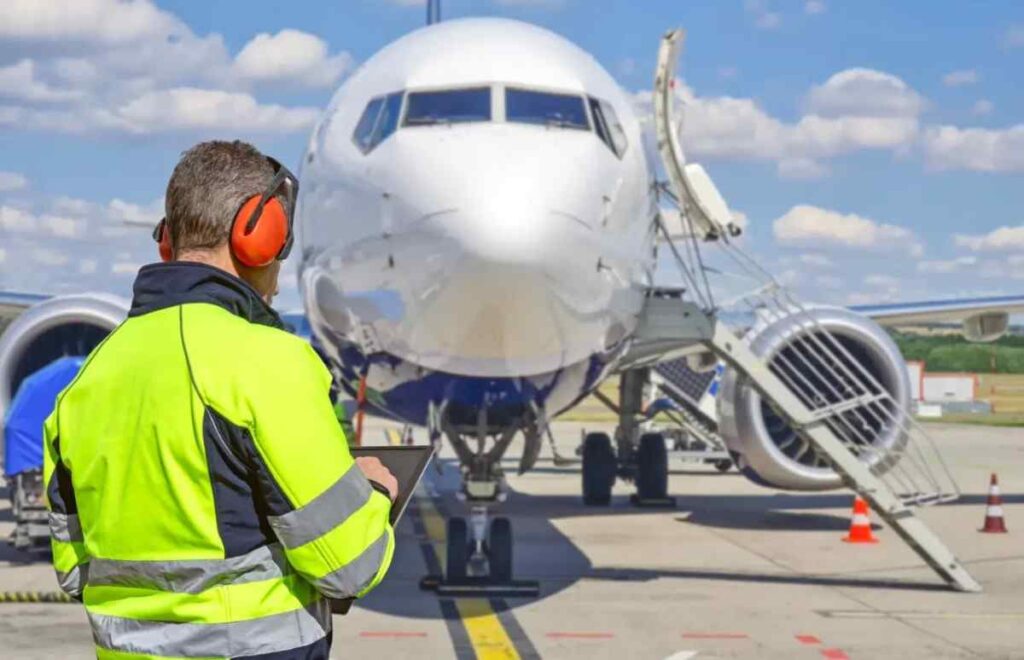
Because the ramp area involves heavy machinery, moving aircraft, and constant foot traffic, safety protocols are non-negotiable. Workers must wear high-visibility clothing, follow strict lane markings, and maintain safe distances from spinning propellers or jet engines. Foreign object debris, commonly called FOD, poses a serious risk if left unchecked, so regular inspections of the tarmac are mandatory. Weather conditions such as high winds, lightning, or icy surfaces add another layer of complexity to daily operations. Ground staff are trained to recognize hazardous situations and halt activities when necessary, even if it means short delays. Airport ramp services also incorporate strict communication protocols using hand signals and radio systems to avoid confusion in noisy environments. Regulatory bodies routinely audit these practices to ensure compliance, since a single lapse in safety awareness could result in injury, equipment damage, or worse. This constant vigilance is what allows thousands of flights to operate safely every single day across the globe.
Technology’s Growing Influence on Ramp Efficiency
Modern ground handling has moved far beyond manual checklists and radio calls. Many airports now use automated docking guidance systems that help pilots park aircraft with millimeter precision, reducing the risk of gate collisions. Handheld devices allow ramp agents to log baggage counts and cargo weights in real time, feeding data directly into airline systems. Some facilities have introduced electric ground support vehicles to cut emissions and noise pollution near terminals. Predictive maintenance software also helps identify equipment issues before they cause breakdowns during peak hours. These innovations are reshaping how airport ramp services function, making operations faster and less prone to human error. While technology cannot fully replace the judgment of experienced ground crew members, it certainly reduces the margin for mistakes. Airports that invest in these tools often see measurable improvements in turnaround times, which translates directly into better on-time performance for airlines and happier passengers waiting to board.
Coordination Between Airlines, Airports, and Contractors
One aspect that often surprises newcomers to aviation is how many different organizations must work together on the ramp. Airlines may employ their own ground staff, or they may contract third-party companies that specialize in handling multiple carriers at a single airport. Airport authorities oversee general safety and infrastructure, while contractors manage day-to-day labor and equipment. This layered structure requires clear communication channels and shared scheduling systems to avoid conflicts. A single aircraft turnaround might involve fuel suppliers, catering companies, cleaning crews, and baggage handlers, all operating on overlapping timelines. Effective airport ramp services depend on strong contractual agreements that define responsibilities and performance expectations. When these relationships function smoothly, passengers experience seamless connections and minimal wait times. When coordination breaks down, however, even routine flights can face unexpected delays. This is why many airports now use centralized dashboards that give all stakeholders visibility into real-time operations happening across the tarmac.
Challenges Facing Ground Handling Teams Today
Labor shortages have become one of the most pressing issues in ground operations worldwide. Physically demanding work, irregular hours, and exposure to extreme weather make recruitment and retention difficult for many companies. At the same time, air travel demand continues to rebound strongly in many regions, putting additional pressure on existing staff. Training new employees to meet safety standards takes time, and rushing this process can compromise quality. Fuel price volatility also affects operational budgets, since ground support equipment relies heavily on diesel or electricity. Airports in colder climates face additional seasonal challenges, such as de-icing procedures that add extra minutes to every departure. Balancing speed with safety remains a constant tension for teams delivering airport ramp services under these conditions. Industry leaders are exploring solutions like cross-training staff for multiple roles and offering better incentives to attract long-term workers. Addressing these challenges will be essential for maintaining reliable ground operations as global air traffic continues to grow.
The Economic Value Behind Ramp Operations
Beyond safety and logistics, ground handling carries significant economic weight within the aviation industry. Airlines pay substantial fees for these services, and efficient handling directly impacts their bottom line through reduced delay penalties and better aircraft utilization. Airports also benefit financially, since faster turnarounds allow more flights to be scheduled within the same operational window. Local economies gain as well, because ground handling companies employ thousands of workers in roles ranging from baggage handlers to equipment technicians. The competitive nature of this industry has led many providers to specialize, offering premium services for wide-body aircraft or focusing exclusively on cargo operations. Investment in better equipment and training often pays for itself through improved reliability and fewer costly incidents. As air travel becomes increasingly interconnected, the value generated by efficient airport ramp services extends well beyond a single flight, influencing broader supply chains, tourism revenue, and regional employment figures in ways that are not always immediately visible to the traveling public.
Looking Ahead: The Future of Airport Ground Support
As airports expand and aircraft technology evolves, ground handling practices will need to adapt accordingly. Electric and hybrid aircraft may eventually change fueling procedures entirely, while automation could take over more repetitive tasks like baggage sorting. Sustainability pressures are already pushing many providers toward greener equipment and reduced idle times for support vehicles. Data sharing between airlines and airports will likely deepen, allowing for smarter scheduling that anticipates delays before they happen. Despite these advances, the human element will remain central to ground operations, since judgment calls during unexpected situations still require experienced personnel. Airport ramp services will continue evolving to meet rising passenger volumes while maintaining the safety standards that the industry has built over decades. For anyone curious about what truly keeps aviation moving, the answer often lies not in the cockpit, but on the tarmac below, where dedicated teams work tirelessly to ensure every flight reaches its destination safely and on time.