
Air travel has become a daily necessity for millions of people, yet the experience of flying is rarely just about reaching a destination. It is about how passengers are treated from the moment they book a ticket to the moment they collect their luggage. Customer service in aviation has evolved into one of the strongest differentiators between airlines competing for the same routes and prices. When flights get delayed, tempers rise, and confusion spreads, the quality of support a traveler receives can either calm the situation or make it worse. Airlines that invest in genuine, responsive service often see the rewards in repeat bookings and stronger brand reputation across a crowded marketplace.
The Passenger Journey Begins Long Before Boarding
Many people assume customer service in aviation starts at the airport counter, but in reality, it begins the second someone opens a booking website or app. Clear pricing, easy navigation, and quick responses to pre-flight questions set the tone for the entire journey. If a passenger struggles to find baggage policies or cannot reach a representative before departure, frustration builds long before they step onto a plane. Airlines that streamline their digital touchpoints, offer live chat support, and provide transparent information tend to reduce complaints later in the trip. This early stage of interaction often determines whether a traveler feels confident or anxious about their upcoming flight.
Ground Staff Shape First Impressions
Once a traveler arrives at the terminal, ground staff become the face of the airline. Check-in agents, gate personnel, and security liaisons all play a role in shaping how a passenger feels about the company they have chosen to fly with. A calm, well-trained employee can defuse stress during long queues or unexpected gate changes. On the other hand, indifferent or poorly briefed staff can turn a minor inconvenience into a lasting negative memory. Effective customer service in aviation depends heavily on empowering ground employees with the authority to solve problems quickly, rather than forcing passengers to wait for approval from distant supervisors.
In-Flight Service and the Human Touch
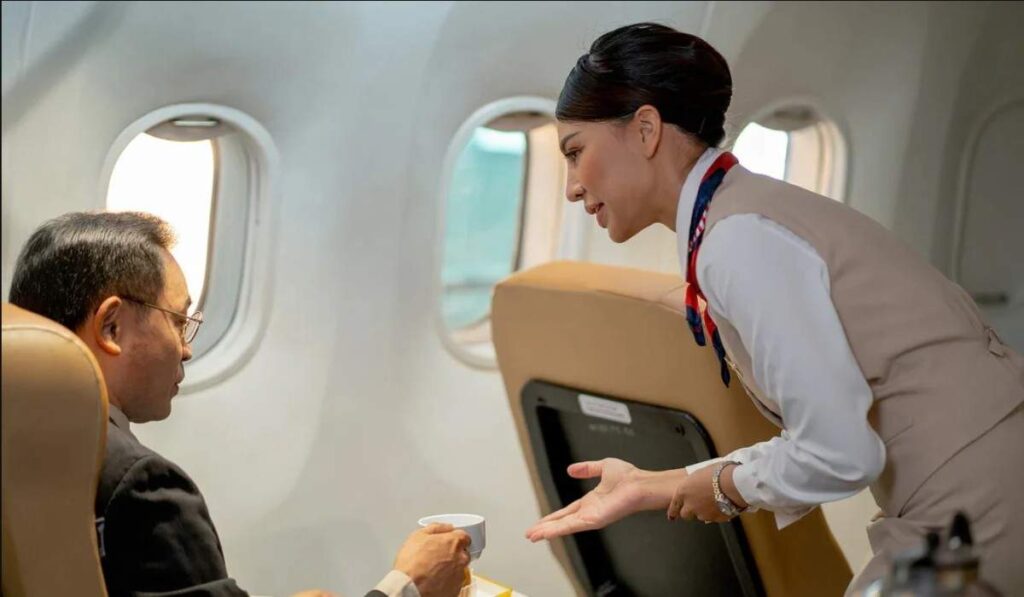
Cabin crew members carry perhaps the heaviest responsibility when it comes to shaping passenger satisfaction. They manage everything from meal service to medical emergencies, often within a confined space and tight time constraints. A flight attendant who listens patiently to a nervous flyer or accommodates a special dietary request without hesitation reinforces the airline’s commitment to care. Training programs that focus on empathy alongside safety procedures tend to produce crews who handle difficult situations gracefully. This blend of professionalism and warmth is central to customer service in aviation, since passengers remember how they were treated far more than the specifics of the in-flight menu.
Handling Delays and Disruptions With Honesty
Flight delays and cancellations are inevitable, whether caused by weather, mechanical issues, or air traffic congestion. What separates a well-regarded airline from a poorly rated one is not the disruption itself but how it is communicated and resolved. Passengers appreciate honesty over vague announcements or silence. Providing timely updates, offering meal vouchers, and rebooking travelers without excessive hassle can transform a frustrating day into a manageable one. Airlines that train staff to remain calm under pressure and communicate clearly during chaos often retain customer trust even after a rough experience. This responsiveness is a defining pillar of customer service in aviation during high-stress moments.
The Role of Technology in Modern Support
Digital tools have reshaped how airlines interact with travelers. Mobile apps now allow passengers to rebook flights, request refunds, or chat with virtual assistants without waiting in long phone queues. Artificial intelligence-powered chatbots handle simple inquiries instantly, freeing human agents to focus on complex or emotional cases. However, technology alone cannot replace the need for genuine human interaction when problems become personal or urgent. The most successful airlines blend automation with accessible human support, ensuring that customer service in aviation does not become a cold, robotic experience. Striking this balance keeps efficiency high while preserving the empathy travelers expect during stressful situations.
Baggage Issues and Their Lasting Impact
Lost, delayed, or damaged luggage remains one of the most common complaints in air travel. For many passengers, their belongings represent essential items for work trips, vacations, or family visits, making baggage mishandling deeply frustrating. How an airline responds to these situations often determines customer loyalty more than the incident itself. Quick tracking updates, transparent compensation policies, and proactive communication can ease the frustration considerably. Airlines that treat baggage complaints as urgent rather than routine tend to build stronger trust with travelers. This attentiveness reflects the broader philosophy behind customer service in aviation, where small gestures of accountability often outweigh grand promotional campaigns.
Cultural Sensitivity and Global Travelers
Airlines serve passengers from diverse backgrounds, languages, and cultural expectations, which adds complexity to delivering consistent service. A traveler from one region may expect formal, reserved interactions, while another may prefer warmth and casual conversation. Staff trained in cultural awareness can adjust their tone and approach without compromising professionalism. Multilingual support, culturally appropriate meal options, and sensitivity toward religious or dietary needs all contribute to a more inclusive experience. Recognizing these differences is an important yet often overlooked aspect of customer service in aviation, especially as international travel continues to grow and passenger demographics become increasingly varied across major hub airports worldwide.
Loyalty Programs as a Service Extension
Frequent flyer programs are often viewed purely as marketing tools, but they also function as an extension of customer service. Members expect smooth redemption processes, clear point calculations, and priority support when issues arise. When loyalty programs are difficult to navigate or rewards are hard to redeem, passengers feel misled rather than valued. Airlines that simplify these processes and offer dedicated support lines for loyal customers reinforce a sense of appreciation. This connection between rewards and service quality highlights how customer service in aviation extends beyond single trips, shaping long-term relationships between airlines and their most frequent, revenue-generating passengers.
Training and Employee Well-Being Behind the Scenes
Exceptional service rarely happens by accident. It requires consistent training, clear protocols, and a workplace culture that values employee well-being. Staff who feel supported and respected by their employers are more likely to extend that same respect to passengers. Airlines that invest in ongoing training, mental health support, and fair scheduling often see lower burnout rates among customer-facing employees. This, in turn, translates into more patient and attentive service during stressful situations like delays or overbookings. The connection between internal culture and external experience is a crucial but sometimes overlooked component of customer service in aviation that directly affects passenger satisfaction.
Social Media and Public Accountability
The rise of social media has transformed how airlines are held accountable for their service quality. A single viral post about mistreatment or exceptional kindness can shape public perception within hours. Airlines now monitor these platforms closely, often responding publicly to complaints in real time. This visibility has pushed companies to resolve issues faster and more transparently than in previous decades, when complaints might have gone unanswered for weeks. While this added scrutiny can feel intense, it has ultimately encouraged higher standards across the industry. Public accountability has become an unexpected but powerful force shaping modern customer service in aviation practices today.
Building a Sustainable Service Culture for the Future
As competition intensifies and passenger expectations rise, airlines cannot afford to treat service as an afterthought. Sustainable improvement requires ongoing investment in people, technology, and communication strategies that adapt to changing traveler needs. Airlines that listen to feedback, empower employees, and remain transparent during disruptions tend to build lasting loyalty rather than one-time satisfaction. The future of the industry will likely reward companies that view service not as a cost center but as a core part of their identity. Ultimately, customer service in aviation is not a single department’s responsibility but a shared commitment woven into every interaction a passenger experiences.
conclusion
The quality of support passengers receive throughout their journey often matters more than ticket prices or flight schedules alone. From booking confirmation to baggage claim, every touchpoint contributes to how travelers perceive an airline’s reliability and care. Companies that prioritize empathy, clear communication, and employee support tend to stand out in a crowded, competitive market. As technology continues to evolve, the human element behind every interaction remains irreplaceable. Airlines that recognize this balance will likely lead the industry, proving that thoughtful, consistent customer service in aviation is not just good practice but a genuine competitive advantage for the years ahead.