
Look up at the sky long enough as a kid and you start recognizing planes before you can read their names. Not by the aircraft type. By the colors. The shape of the tail stripe. The way the sun hit a certain blue at a certain angle. That’s livery doing its job — and it’s also why losing one feels oddly personal, even decades later.
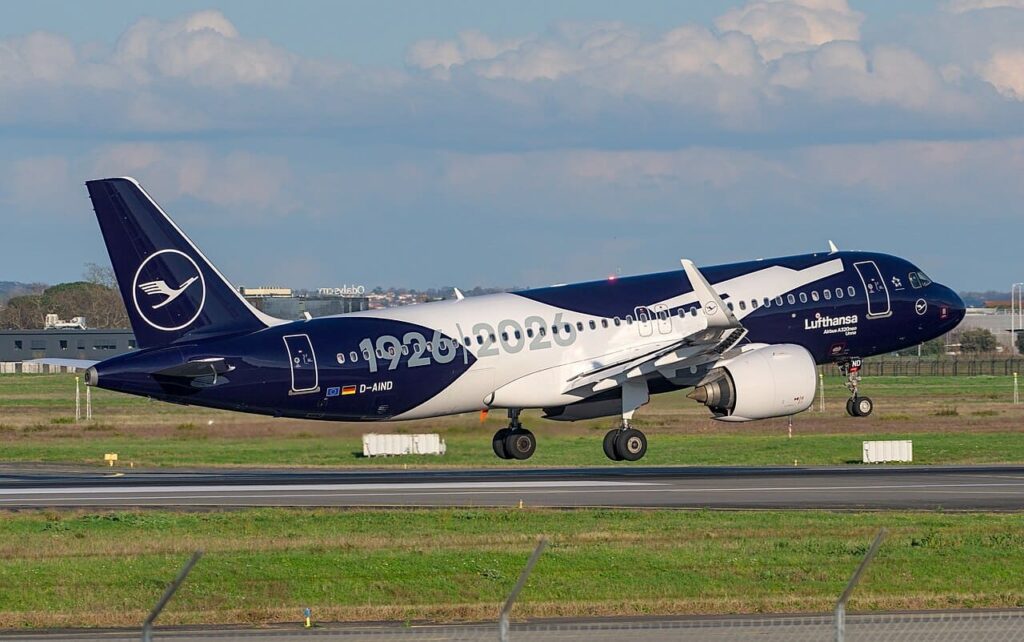
Airlines don’t think of liveries as branding exercises anymore, not really. They think of them as fleet-wide marketing assets, optimized for photographs and social feeds. Which is fine. But it’s worth remembering there was an era when a livery was closer to a personality. You could tell an airline’s whole attitude just by how it painted its planes.
Pan Am’s Blue Globe Said Everything Without Saying Anything
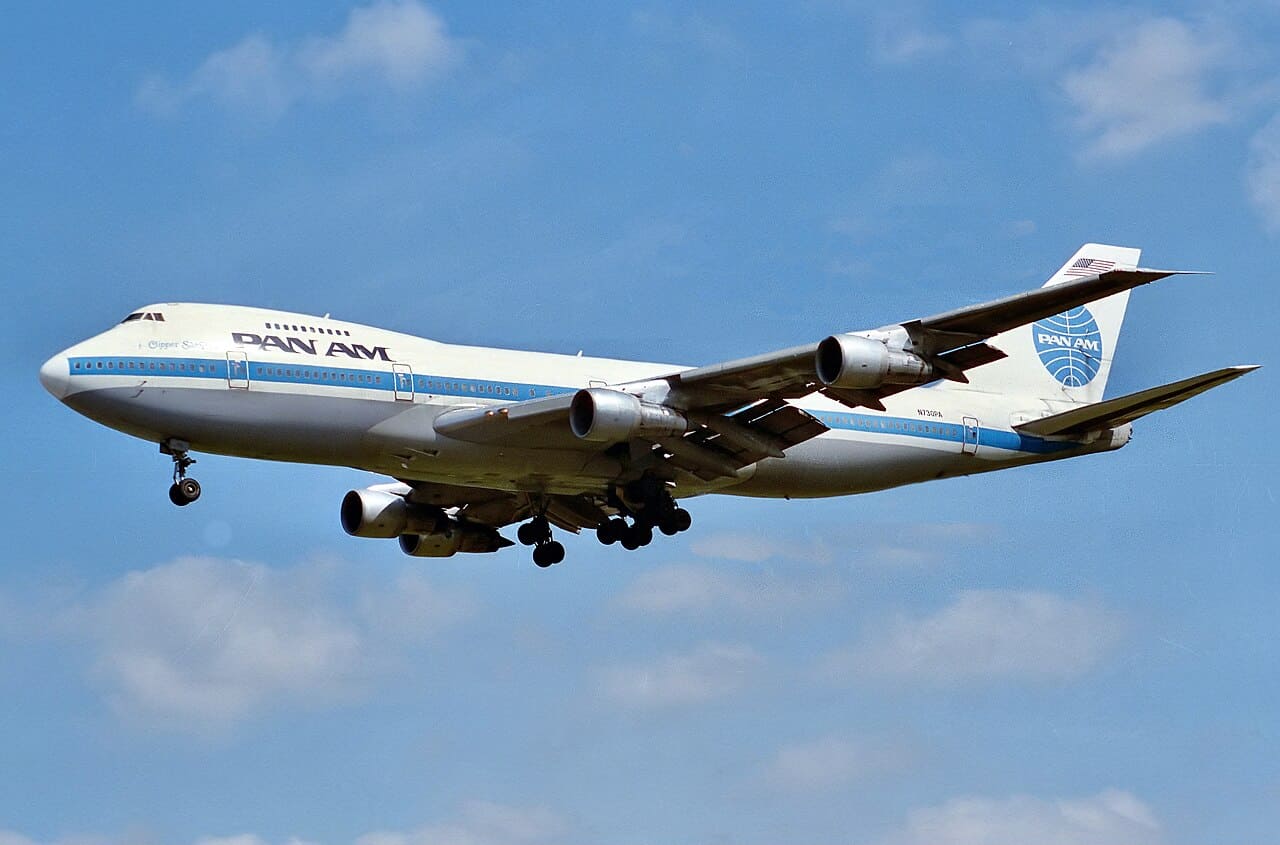
Start with the one almost everyone recognizes, even people who’ve never set foot on an aircraft built before 1991. Pan Am’s globe logo, wrapped in that confident blue band along the fuselage, communicated something most modern liveries fumble entirely: scale. Ambition. The idea that flying somewhere far away was an event worth dressing for.
The airline folded in 1991, but the livery hasn’t really gone anywhere. It shows up on T-shirts, on retro travel posters, occasionally on a meticulously restored aircraft at an air show. There’s a reason for that staying power. It wasn’t decorative. It was a statement of intent, and it aged into something closer to a cultural artifact than a corporate logo.
Braniff Turned Its Fleet Into a Moving Art Exhibit
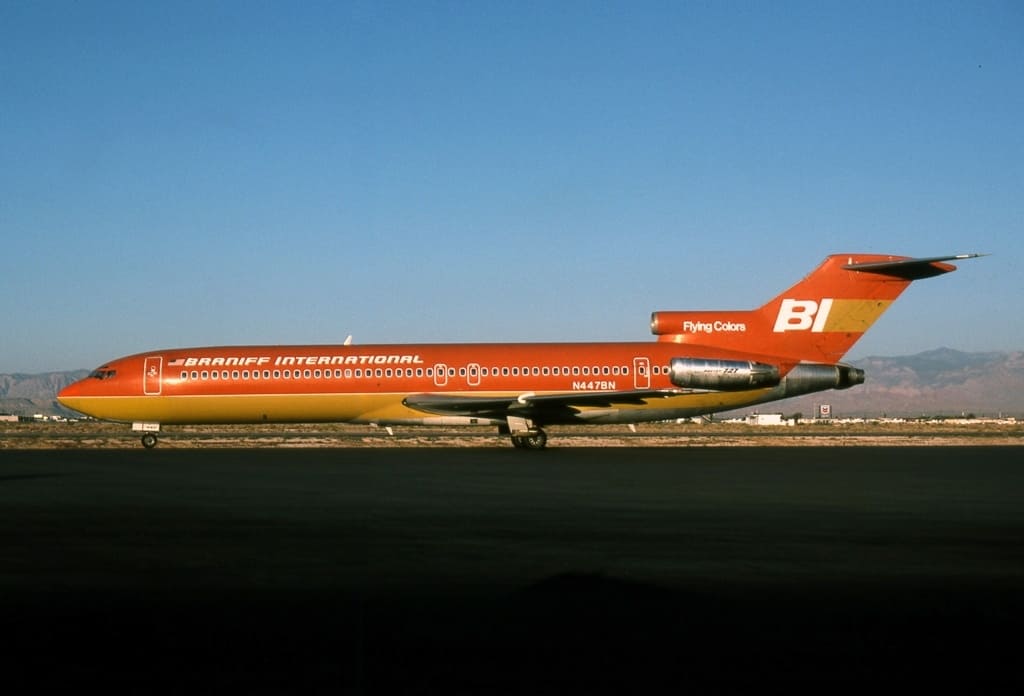
Here’s one a lot of casual flyers have never heard of, and it deserves more attention than it gets.
In 1973, Braniff International commissioned the artist Alexander Calder to paint two of its aircraft as part of something called the “Flying Colors” series. One came out in a striking orange-and-white scheme. The other, painted across a DC-8, became known as “Flying Colors of the United States” — a giant abstract composition stretched across an entire fuselage.
It was bizarre. It was bold. Nobody does that anymore, and honestly, it’s a little sad that nobody does.
Braniff’s broader livery strategy went even further than the Calder jets. Under the “End of the Plain Plane” campaign, the airline painted its fleet in seven different solid colors — orange, turquoise, ochre, beige, and so on — so that the same aircraft type could look like an entirely different airline depending on which jet rolled up to the gate. It was unapologetically theatrical. Airlines today run the opposite playbook: uniformity, restraint, a single approved gray.
TWA’s Twin Globes and the Golden Age Aesthetic
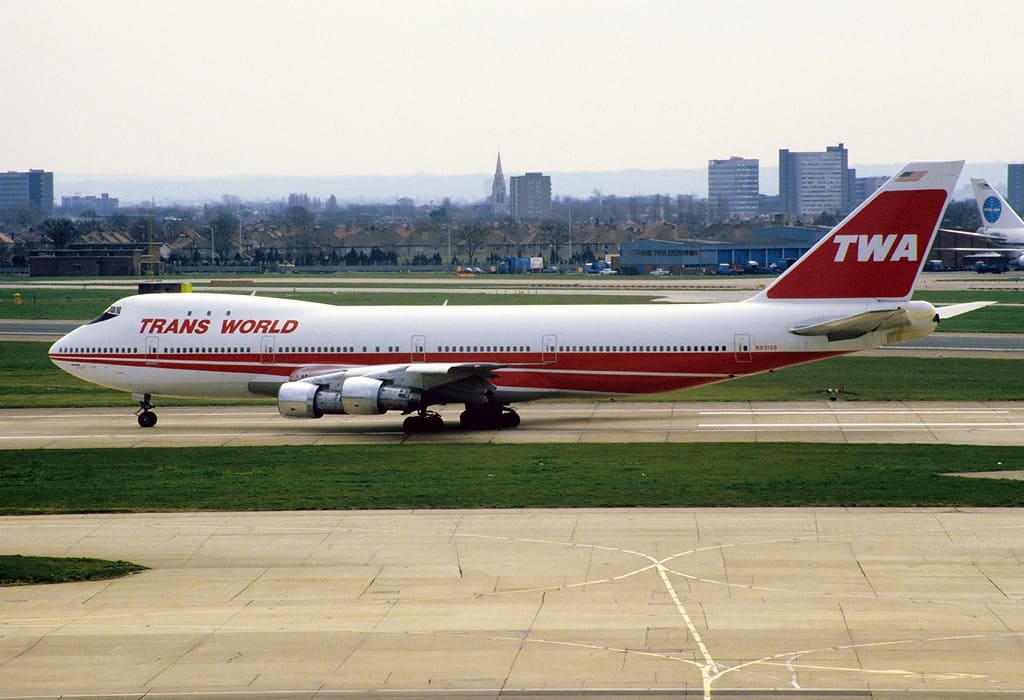
Trans World Airlines never quite let go of its early identity, even as it modernized through the decades. The red twin-globe logo — instantly associated with the golden age of transatlantic travel — carried a certain old-world confidence that newer liveries, with their swooshes and gradients, rarely manage to replicate.
There’s a reason TWA’s old terminal at JFK (now a hotel) still draws architecture tourists decades after the airline itself disappeared in 2001. The branding wasn’t incidental to the experience. It was the experience, at least partially.
Why Enthusiasts Still Chase These Liveries Decades Later
Walk into any aviation forum, any plane-spotting group, any gathering of people who genuinely love this stuff, and you’ll find the same pattern. People aren’t just nostalgic for old aircraft types. They’re nostalgic for paint.
It shows up in collector culture too. Plenty of enthusiasts seek out retired liveries specifically — through old photography, archived route maps, or by commissioning a detailed aviation collectible built to replicate a specific airline’s scheme from a specific era, right down to the registration number on the tail. It’s a strange, lovely kind of preservation. The airline is gone. The aircraft type may be retired. But the livery survives somewhere on a shelf, accurate down to the rivet lines.
The Industry Knows What It Lost — Sort Of
Here’s the interesting part. Airlines have started noticing the nostalgia themselves. American Airlines repainted several jets in retro liveries through the 2010s — bringing back the old AstroJet and Bicentennial schemes for special anniversary tails. Delta did something similar with its heritage fleet. Southwest brought back its original “Desert Gold” scheme on a couple of aircraft. Even Alaska Airlines has leaned into its old Eskimo branding on commemorative tails.
It’s a tacit admission that the old stuff mattered more than anyone gave it credit for at the time. Modern liveries are clean, efficient, easy to reproduce at scale. They’re also, almost universally, forgettable in a way the old ones weren’t.
Maybe that’s the real loss. Not the colors themselves, but the willingness to make a plane look like it belonged to somebody — instead of looking like it belonged to everybody.
Frequently Asked Questions
Why did airlines move away from elaborate liveries toward simpler designs?
Cost is the primary driver. Complex, multi-color liveries are significantly more expensive to apply and maintain than simplified designs using fewer colors and decals. Fuel efficiency also plays a role, since heavier paint adds weight across a large fleet.
What happened to the Braniff “Flying Colors” aircraft painted by Alexander Calder?
Braniff International ceased operations in 1982. The Calder-painted aircraft were eventually retired along with the rest of the fleet, though photographs and documentation of the “Flying Colors” series remain widely referenced in aviation design history.
Do any airlines still use retro liveries today?
Yes. Several major carriers, including American Airlines, Delta, Southwest, and Alaska Airlines, have repainted select aircraft in historical liveries from earlier decades, typically to mark anniversaries or honor airline heritage.
Why do aviation enthusiasts care so much about old airline liveries?
For many enthusiasts, livery is tied closely to memory and identity — a visual marker of a specific era of travel, a specific airline culture, or personal experiences tied to flying as a child or young adult. The emotional connection often outlasts the airline itself.